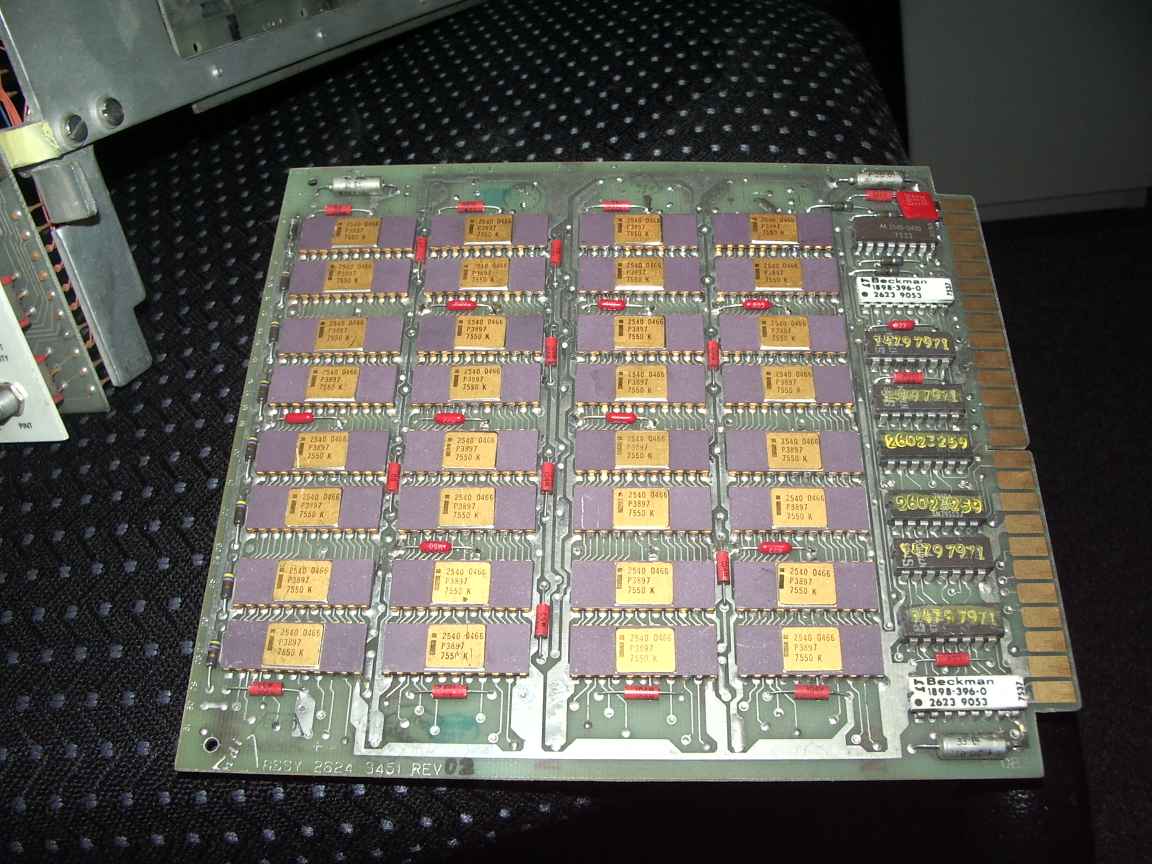
Burroughs B7800 Mainframe
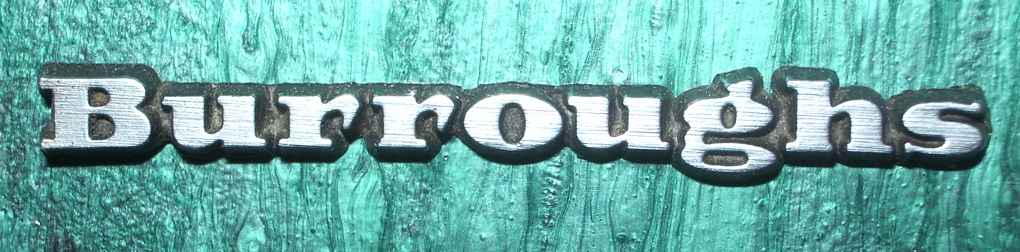
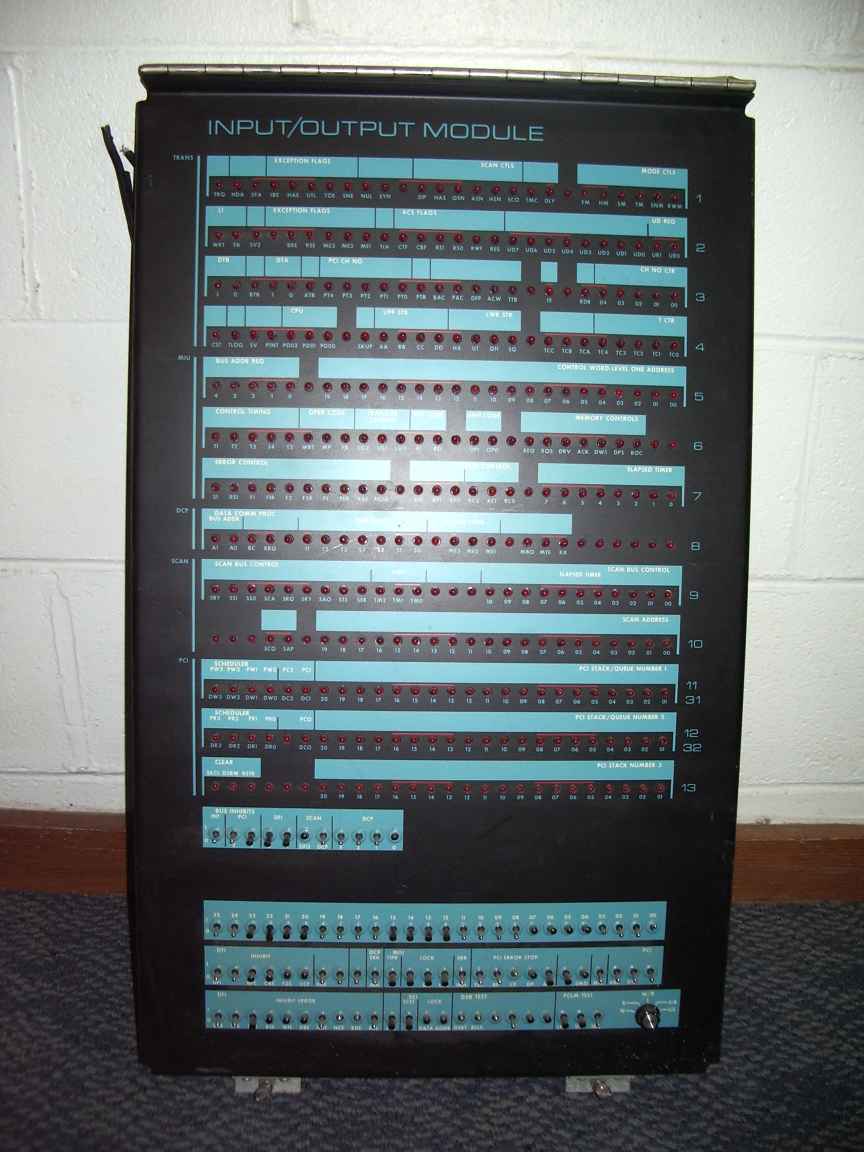
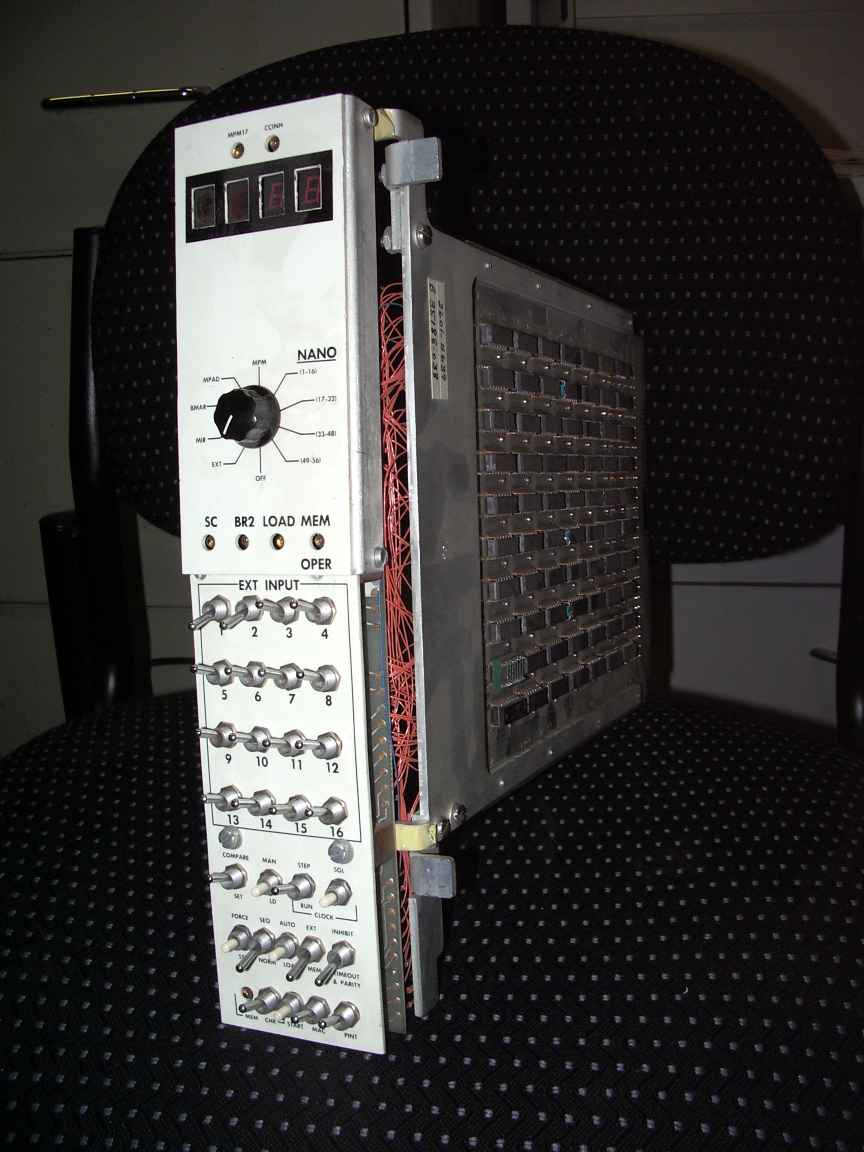
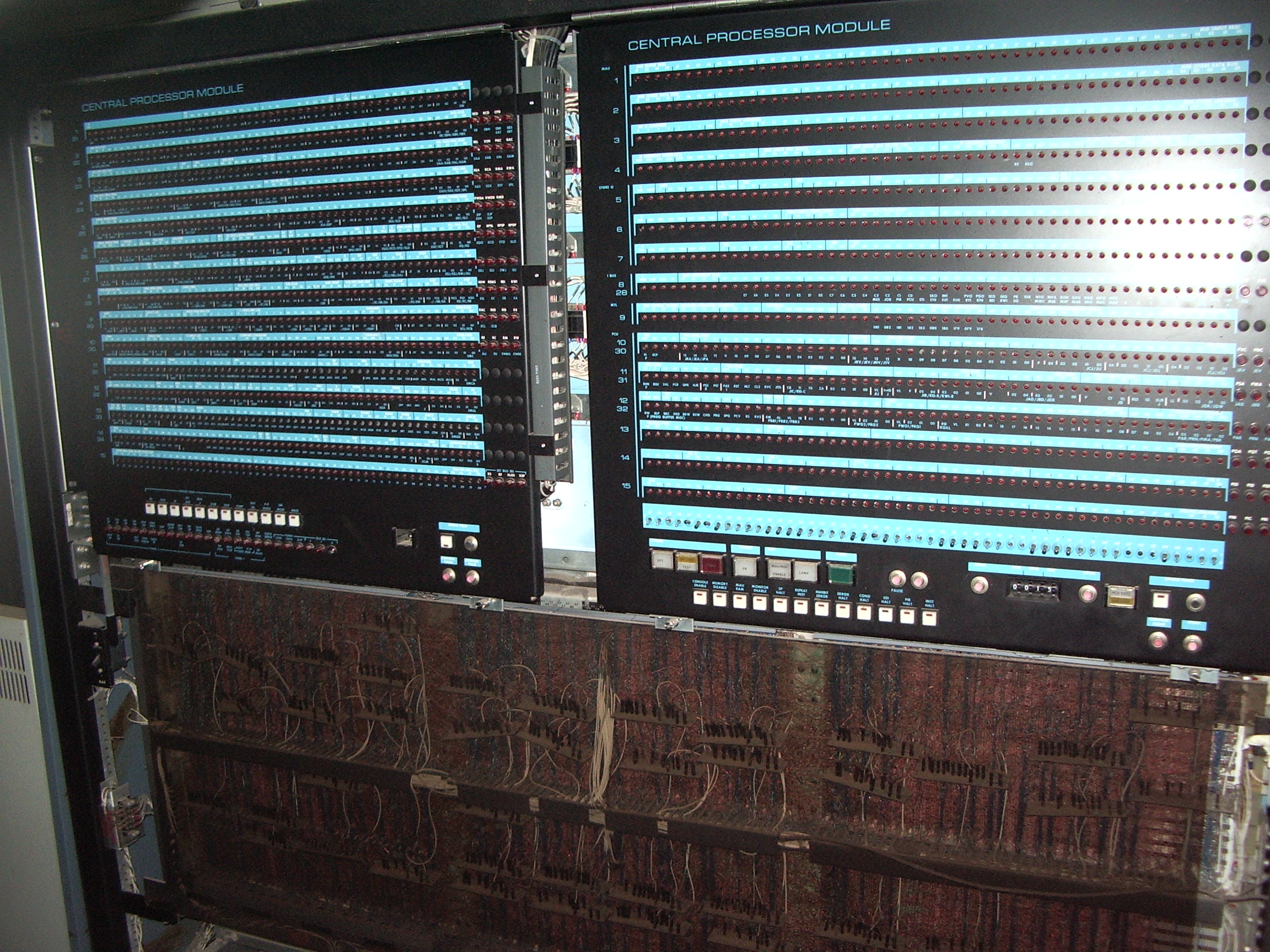
| This piece of the right hand portion of the front panel from a Burroughs B7800 CPM (central processing module) now decorates my garage door where it awes my enemies and impresses my friends. |
 |
My souvenier of the
Burroughs B7800
CPM. In this design, every register and flip flop was brought out to
the front panel. Each LED had about 16 different meanings depending on
the switch settings. The display was allways on and looked magnificent.
You would walk amongst rows of these panels, it was like the imagined
space ship main battle station of the Death Star. It was a
great
crowd pleaser at open days and I am sure that this display made the job
of Burroughs salesmen so much easier. As an engineering tool, it was
usefull but not essential. We had a B800 mini computer whose only job
was to read the front panel and tell us that led 27, row18, panel 2 was
off. We would walk around and sure enough the led was in the wrong
state. Very powerful, wise and all knowing it made us engineers feel! |
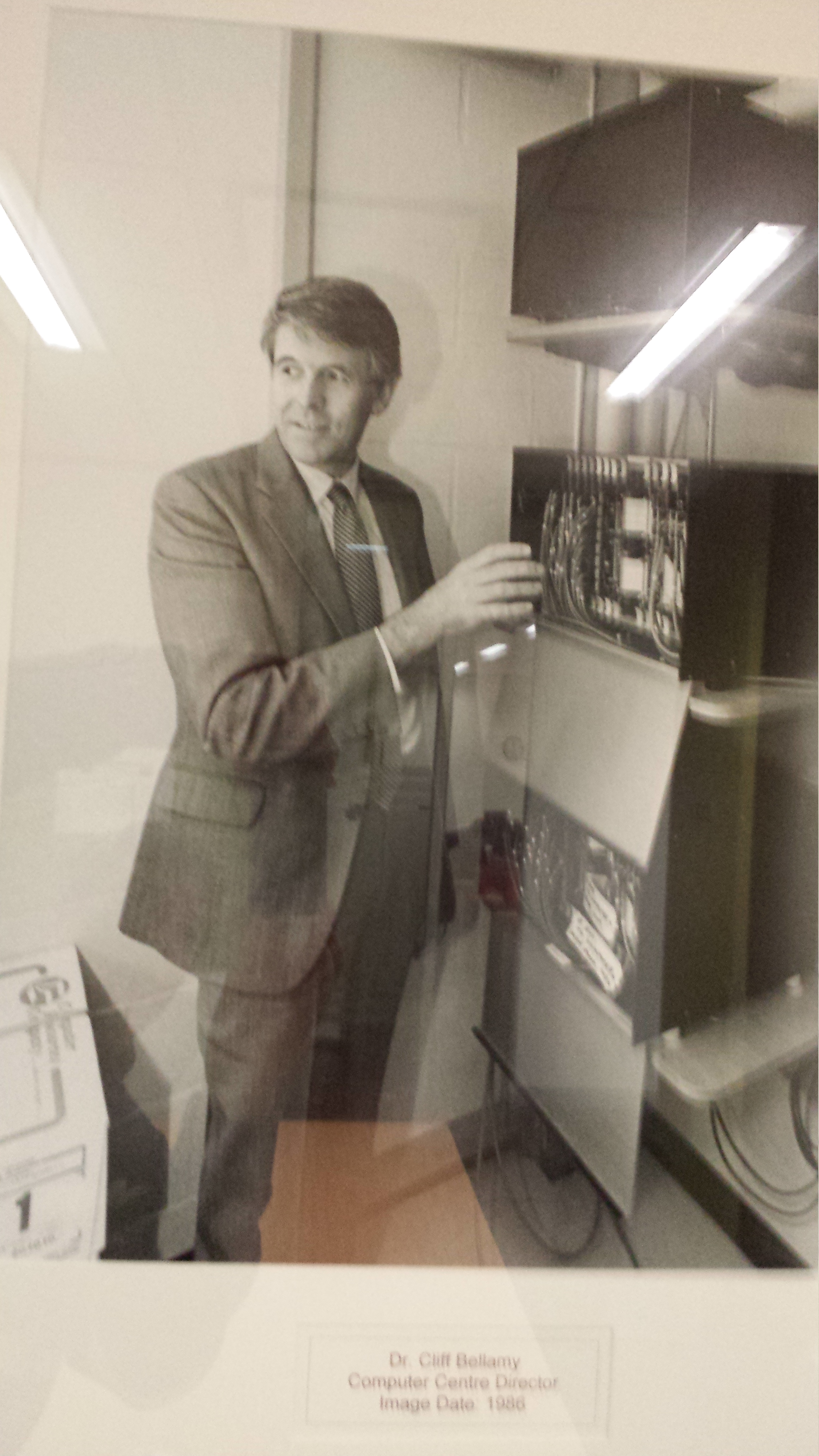 |
This is an image of the late Dr. Clifford Bellamy Computer Centre Director Monash University This was our Director and my Boss's Boss. Dr. Bellamy was the driving force behind many totally remarkable and courageous initiatives that put Monash University in a very enviable global position in the 1980s. He directed the existence of projects that were completely from "left field" and would have left other erudite institutions gasping in disbelief. It was his direction and faith in the capability and motivation of his staff that we were able to do what few institutions were able to do successfully, which in my sphere was the complete maintenance of a very large third generation mainframe computer in house . It was not just the Burroughs either. The engineering team, as lead by my Boss, Mr. Bruce Seaman , also did complete inhouse maintenance of a large fleet of VAX780 "super"-mini computers, a large fleet of Pyramid 90X unix minicomputers and all attending peripherals. Dr Bellamy also conceived of the the "Monet" local area networking system which the image shows him displaying. "Monet" was a fantastic mechanism for the transport of serial terminal lines. In the era of the dumb green screen terminal or which Monash had thousands distributed throughout the large clayton campus, it was not physically possible to distribute RS232 lines throught our square kilometer campus. Monet was a networked terminal line concentrator system that had local nodes that gathered terminal data lines and put the data, without loss, onto custom 2M/bit/s balanced data CD/MA buses that spanned the campus. This was turned into a successfull commercial products by RACAL. Monet also led to the creation , in house of a complex UNIBUS processor card that plugged into a VAX780 that demultiplexed hundreds of serial lines directly into the VAX. Custom VMS drivers were also written to do this. One of the totally remarkable projects he started was the creation , in house, of expanded memory cards for the VAX780. We took standard memory cards that were fitted with 16k-x-1 dynamic ram chips put in 256k-x-1 chips. This also required considerable modifications to the memory cards and rewiring of the VAX780 backplane. It was a change that when started , could not be backed out. It also had the result that now our VAXes could NO LONGER be maintained by DEC. Could you imagine contemplating something like this is this day and age? In those days a 1 megabyte memory card would have sold for $30000. The result of his unique in house initiatives was that Monash had a fleet of computing resources that was at least one order of magnitude larger than our competing tertiary institutions, yet we had comparable budgets. In my pantheon of personal heroes, Dr Bellamy occupies a special place. |

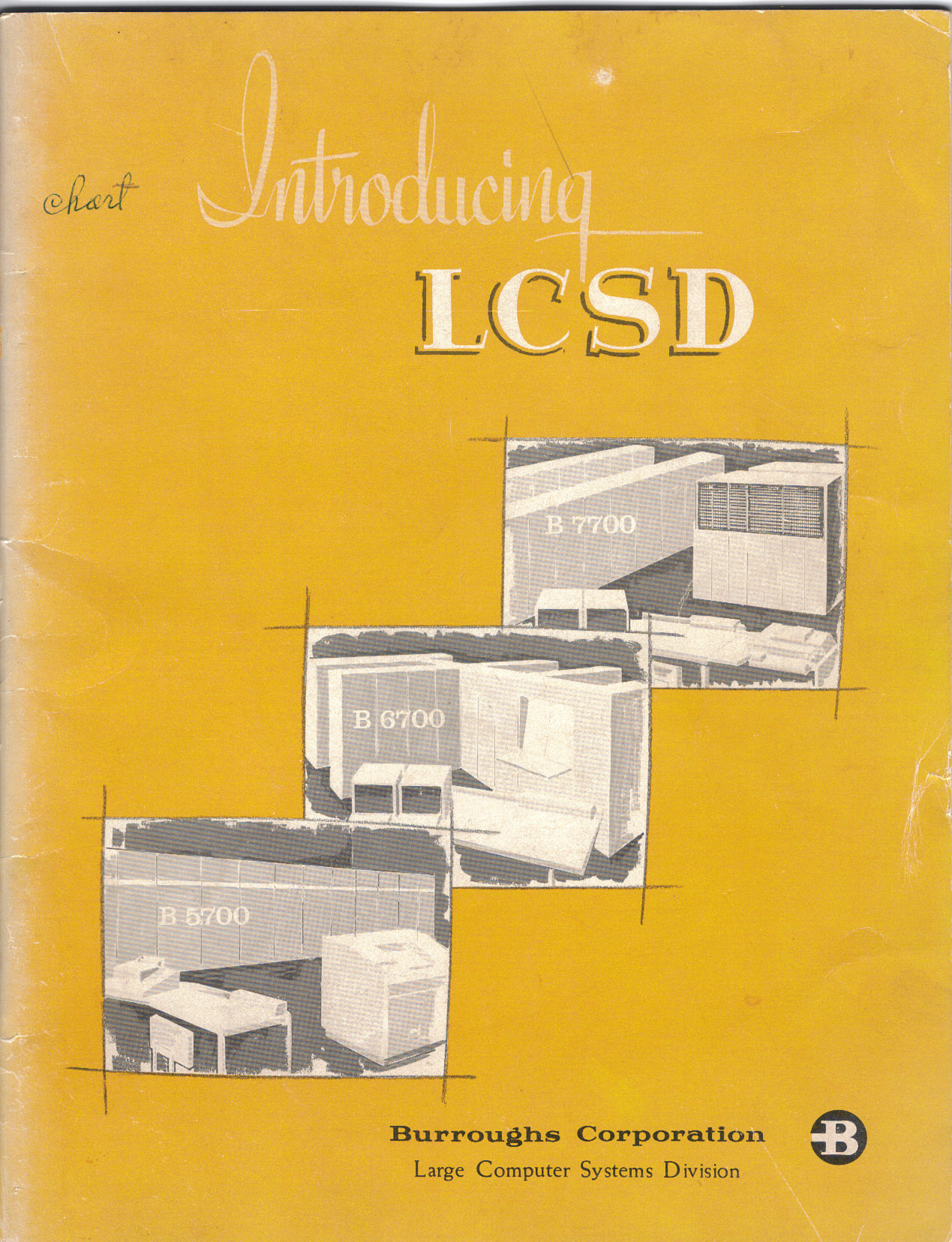
| My special thank you to Mr Jeff Perry who sent me this scan of a marketing slide showing the B7800 hardware |
 |
| The Burrough's B-Line an in house journal from the early sixties. This is pioneering computing at its best |
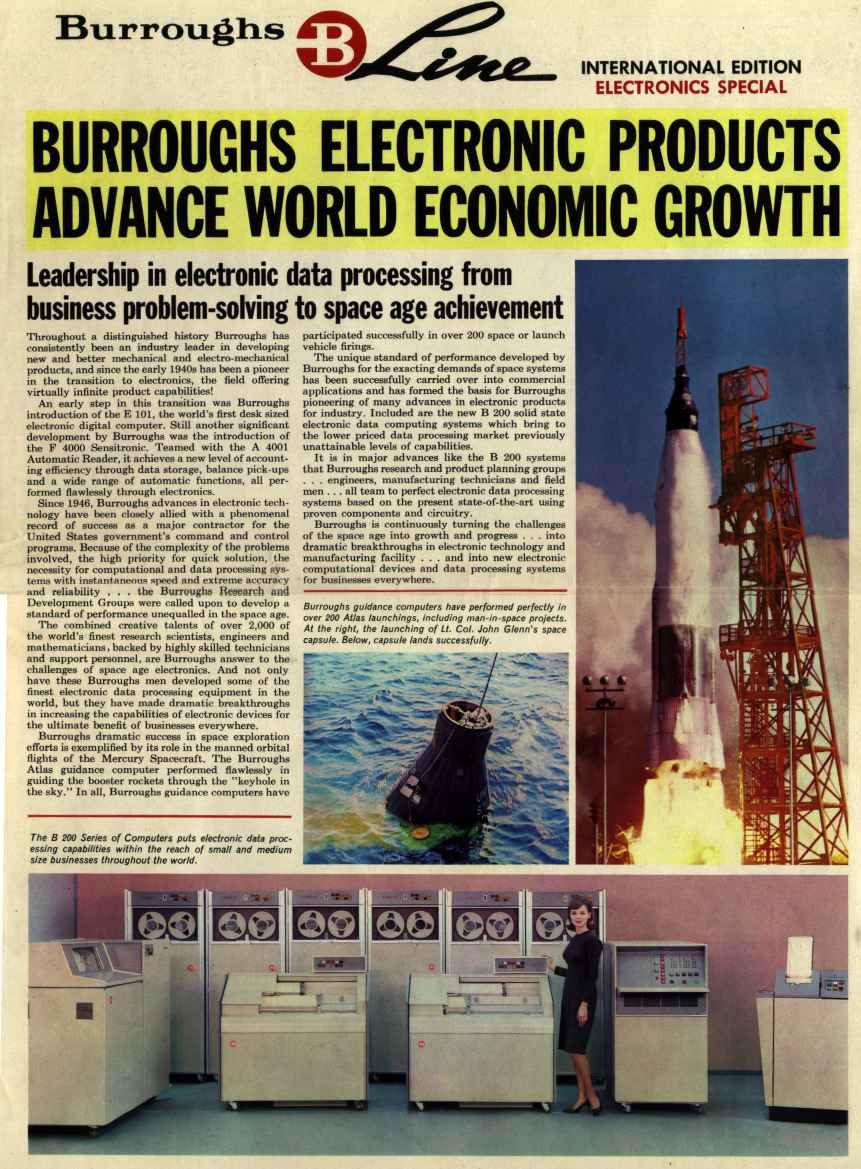 click me to read the entire edition |
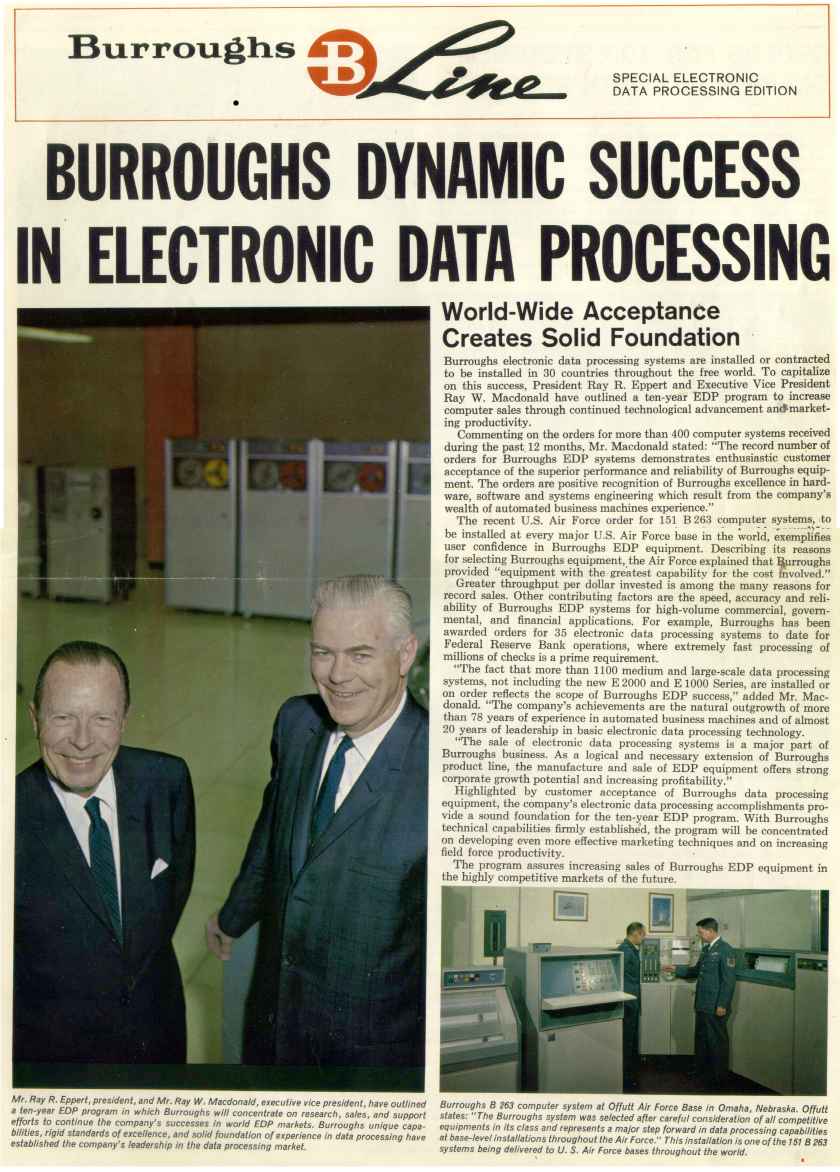 |
| an earlier edition of the Burroughs B Line |
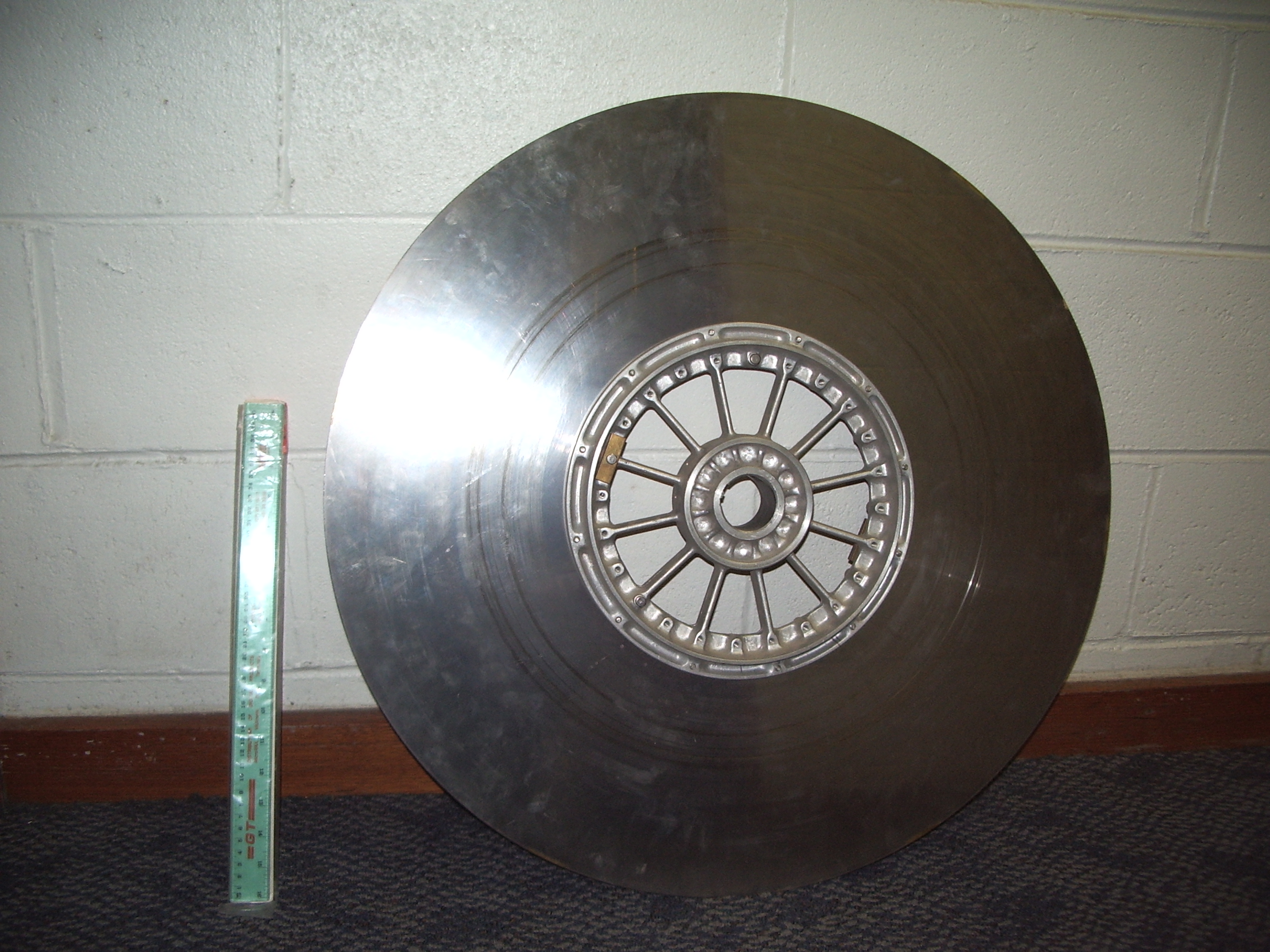 |  |
| This is a head assembly of the head per track disk right (see images in The B-line) The ruler is a 15 inch | One disk from a Burroughs "DISK" controller as distinct from "PACK" The "DISK" was this massive one head per track monster. Total capacity was only 5Megabytes but was damned fast because there was no seek delay. On this was implemented some of the industries very first effective virtual memory, as this monster was still cheaper than core or the new fangled solid state memory. |
 |
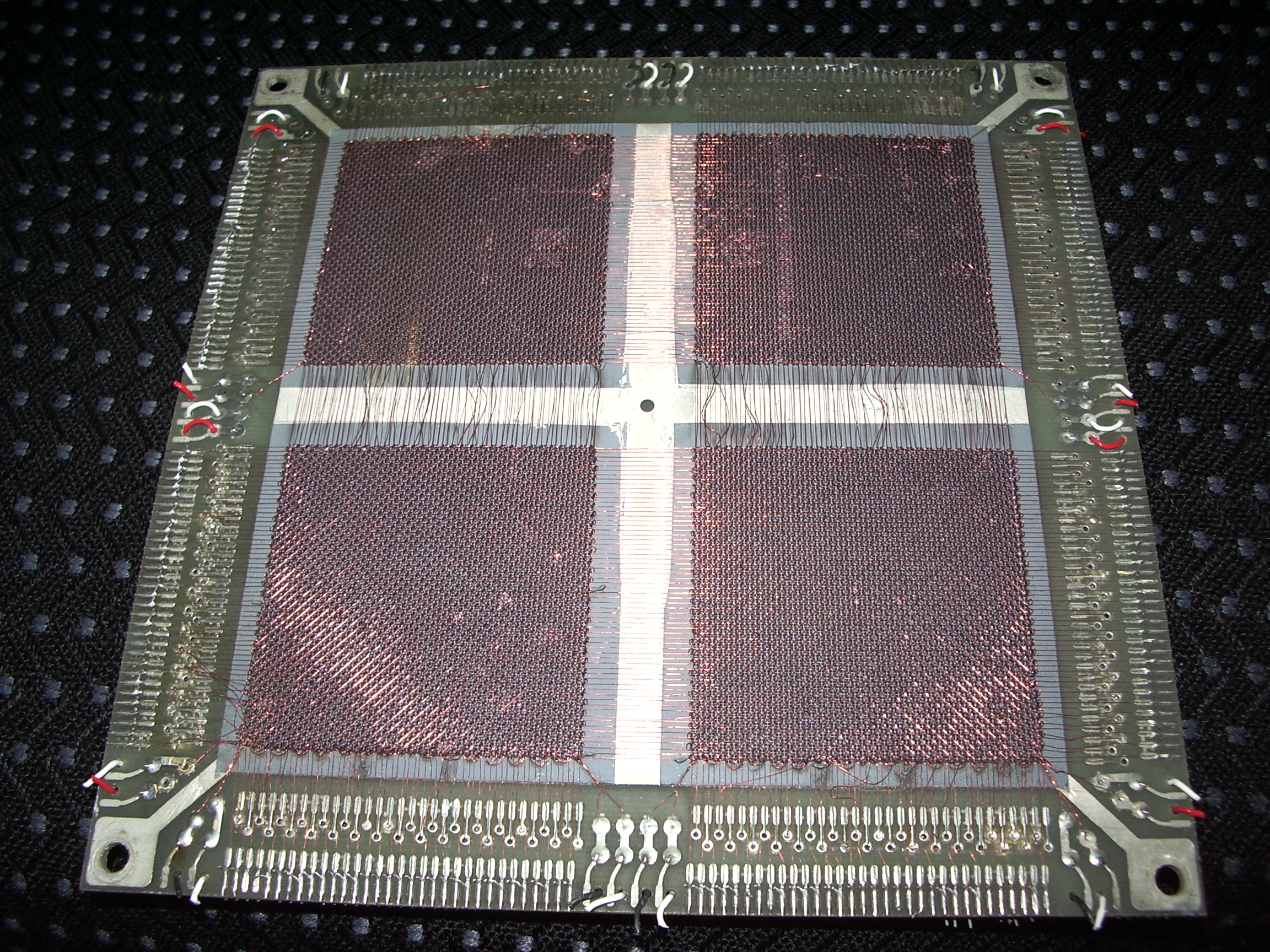
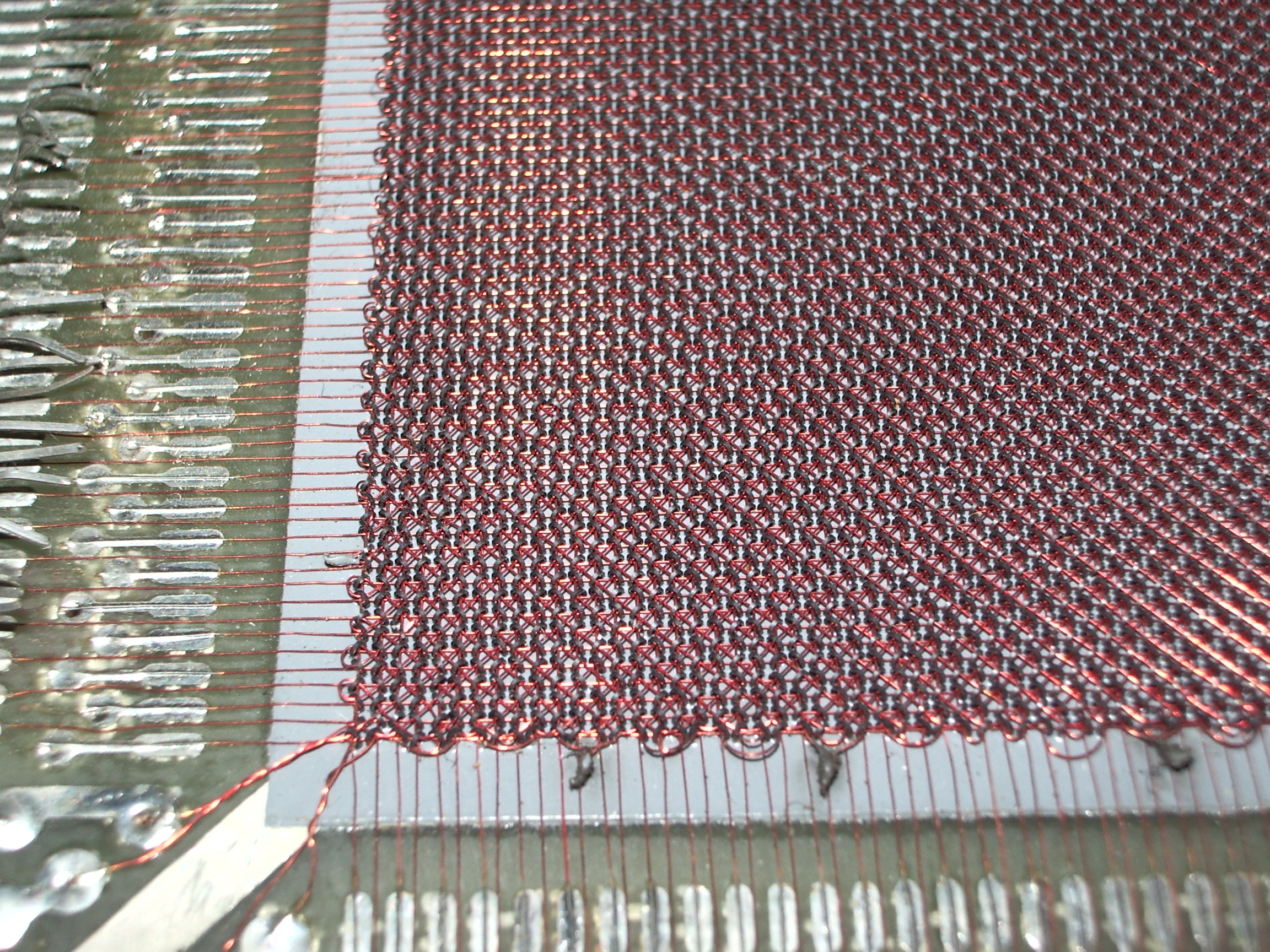
| The
above image shows a plane of B5500 magnetic core memory, image courtesy
of Mr Alan Thorne who actually used it ! See the irregular spacing of
the rather large toroids, for this core plane was hand threaded. The
higher density core plane, elsewhere was machine threaded and is more
regular. These core planes were made in Hong Kong, presumeably by the poor folks that had escaped from communist China and would do this highly detailed and tedious work for nothing more than a beating, a handfull of rice and a vague promise that things might get better. Click on this image to get the full resolution. |
 |
| The console from a Burroughs Disk Pack Driver Controller. There were two redundant controllers in every B350 controller cabinet. The controller was a B700 minicomputer in its own right. The console could be inserted and removed while online. It was removed to discourage "ge-finger-poken". I used these regularily to perform disk pack maintenance after a special controller program had been loaded either online or from a Kansas City standard cassette. There was a hard wired writable control store ram diagnostic in this device. This console permitted complete control of a string of 8 disk drive cabinets including the ability of writing arbitary data over your production disk packs. We were very very very very carefull ! |
 |  |
| Gleaming boards from the BX350 disk pack drive controller. All that glitters is sometimes actually gold! The view into a full card cage of these was like looking into Aladin's cave. | |
 |
|
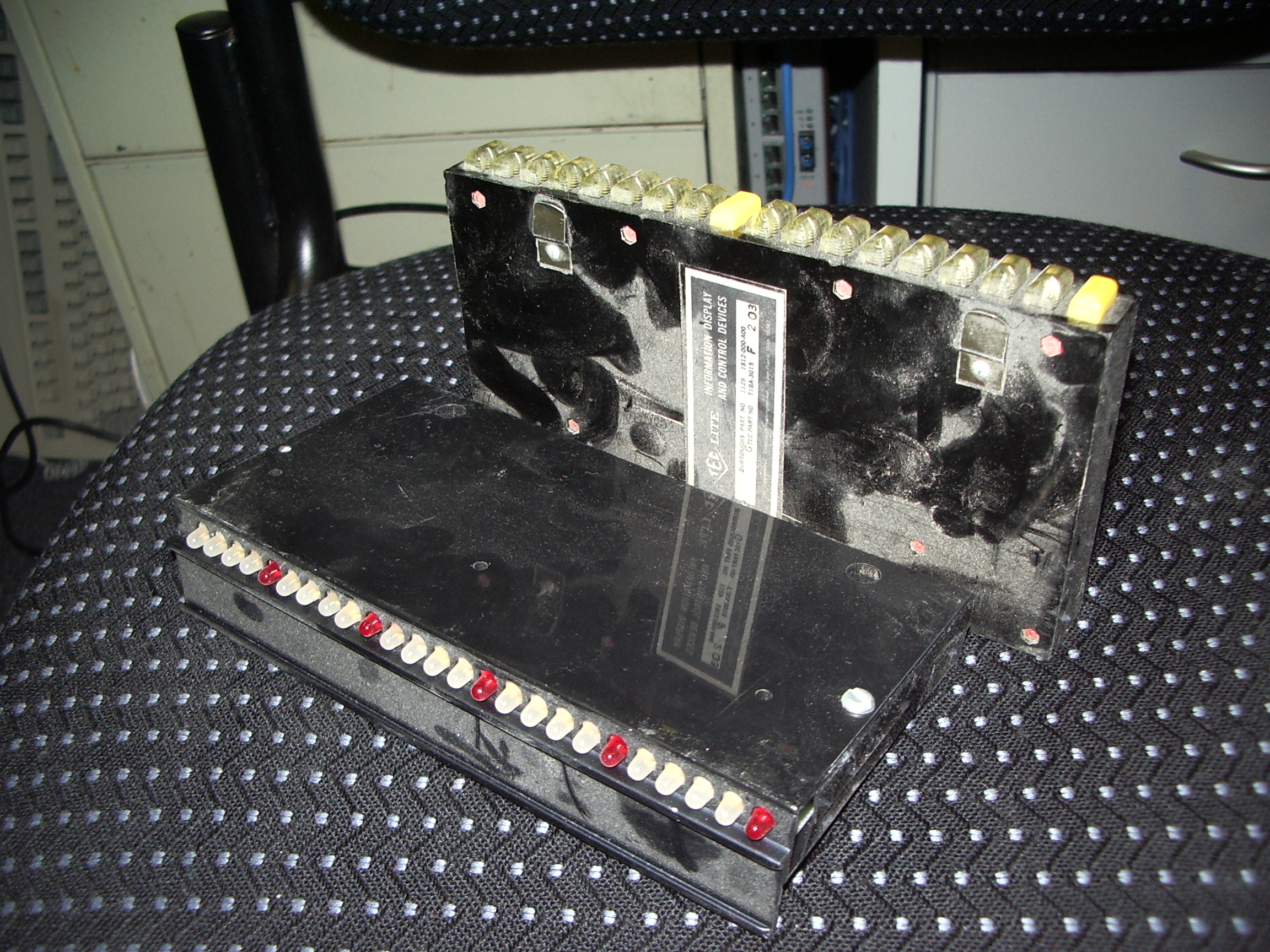
Engineering Display cards. These would be clamped onto edge connectors
and you slided a lable into the label holder which told you what the
lights meant for that particular card. In the B7800 they were used only
on the Peripheral Control Cabinets |

|
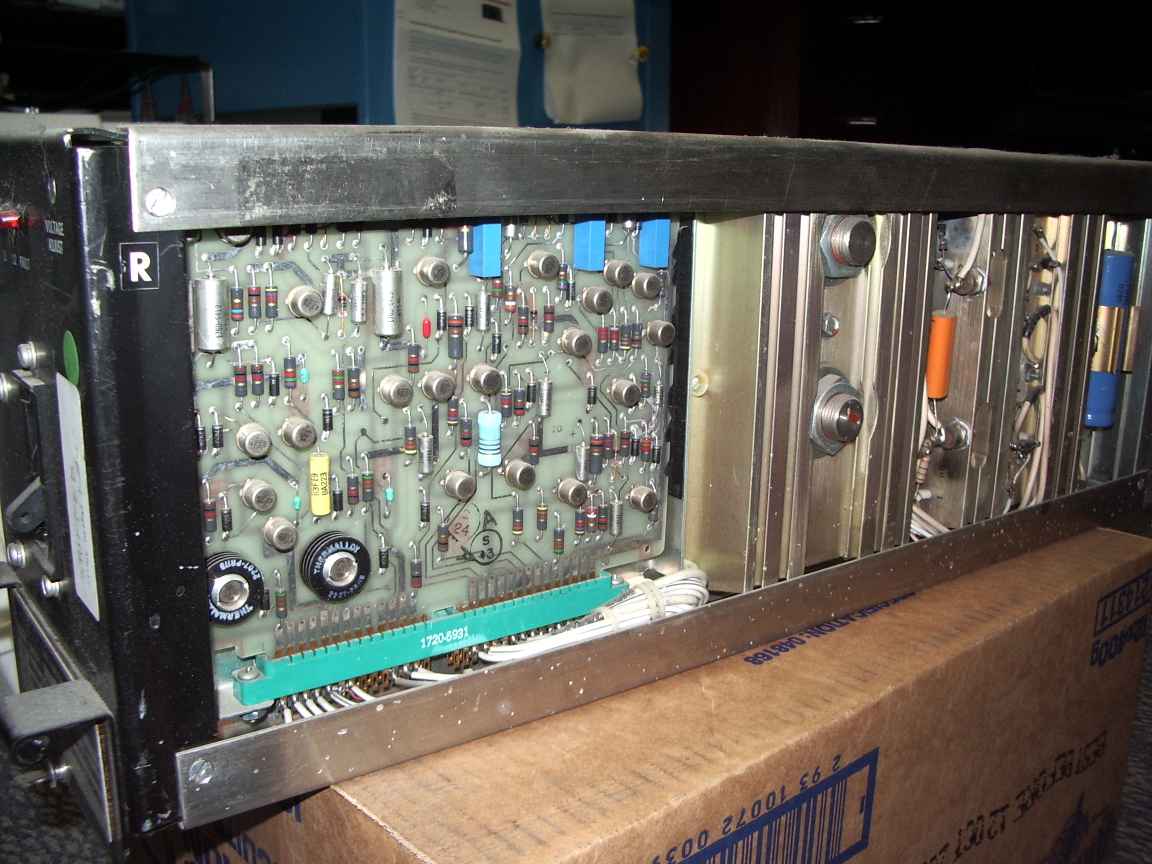
Some views of the PSU There were about 40 of these in each
mainframe cabinet. They took a raw DC input of 120Volts and a
pioneering switchmode power regulator transformed it to 4.8V or -2.0V.
The two coils visible here are current shunts for automatic short
circuit constant current mode running. You cannot parallel voltage
sources, they must have some resistance and coils of bronze resistance wire
provided it. The primary DC supply was derived from switched SCR rectifiers that were directly connected to large 3 phase step down transformers and these were direct on line. Everytime the lights blinked we moaned to ourselves about our fates and attended to repair 3 or 4 of these units when the output transistors had been popped by a surge or other transient. We became very good at replacing power transistors in a hurry. A tripped breaker at the front told us the unwelcome news. Often the machine would continue to run with up to six dead PSUs. | |
 |  |
|
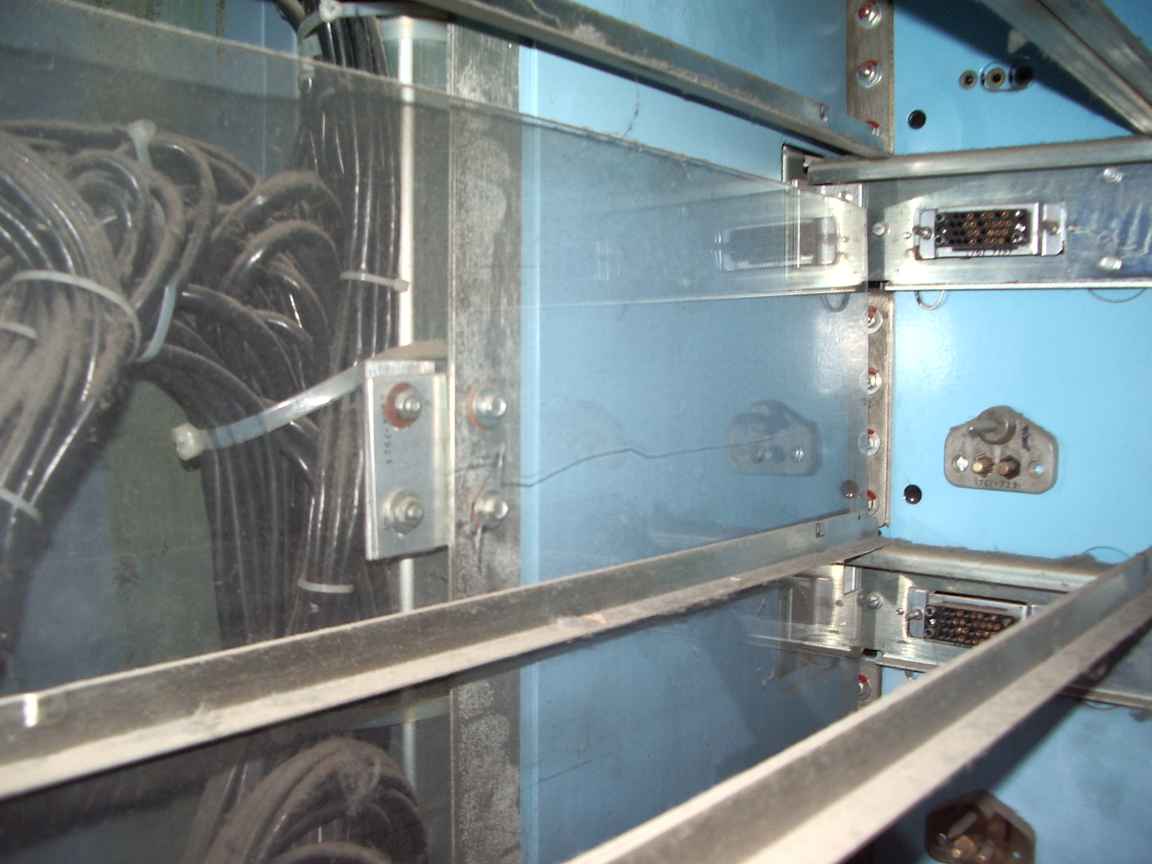
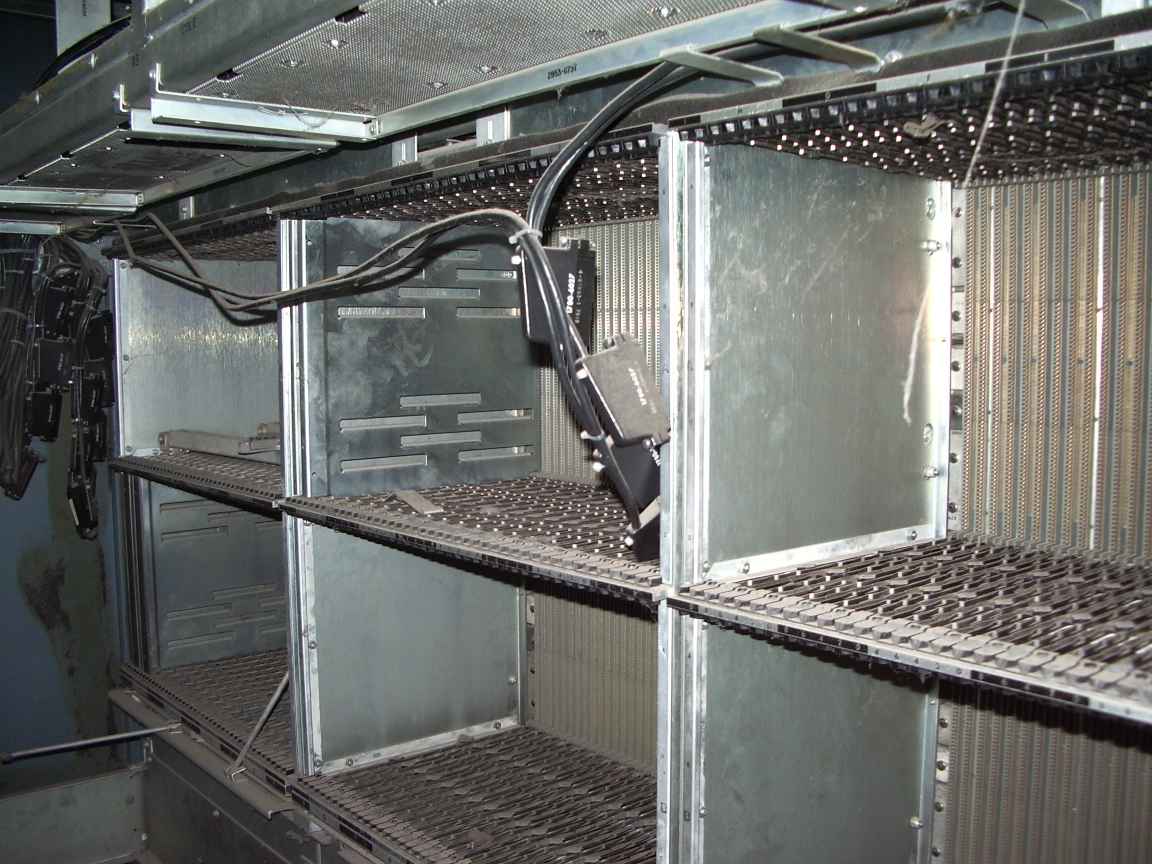
The many power supplies sat in these racks at the top of the machine,
behind the front display panels.
The blue sheets are solid aluminum bus bars that carried about 5
kilo-amps of 4.85V and -2.0 V to the card cage. The unit shown here is
a negative 2.0 Volt psu that would have joined its forty odd companions
in this rack . Each supply could source 135 Amps under normal conditions | |
|
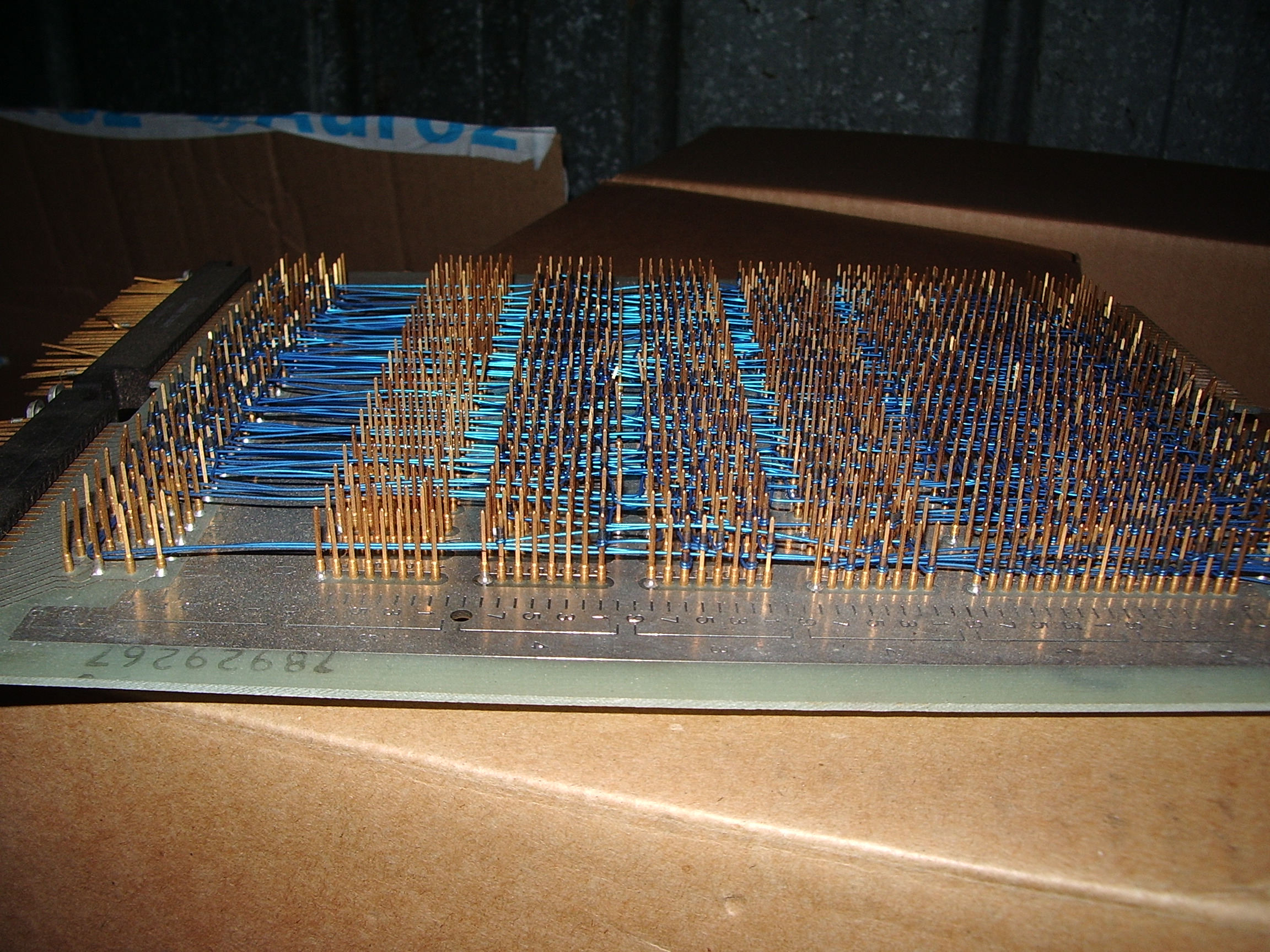
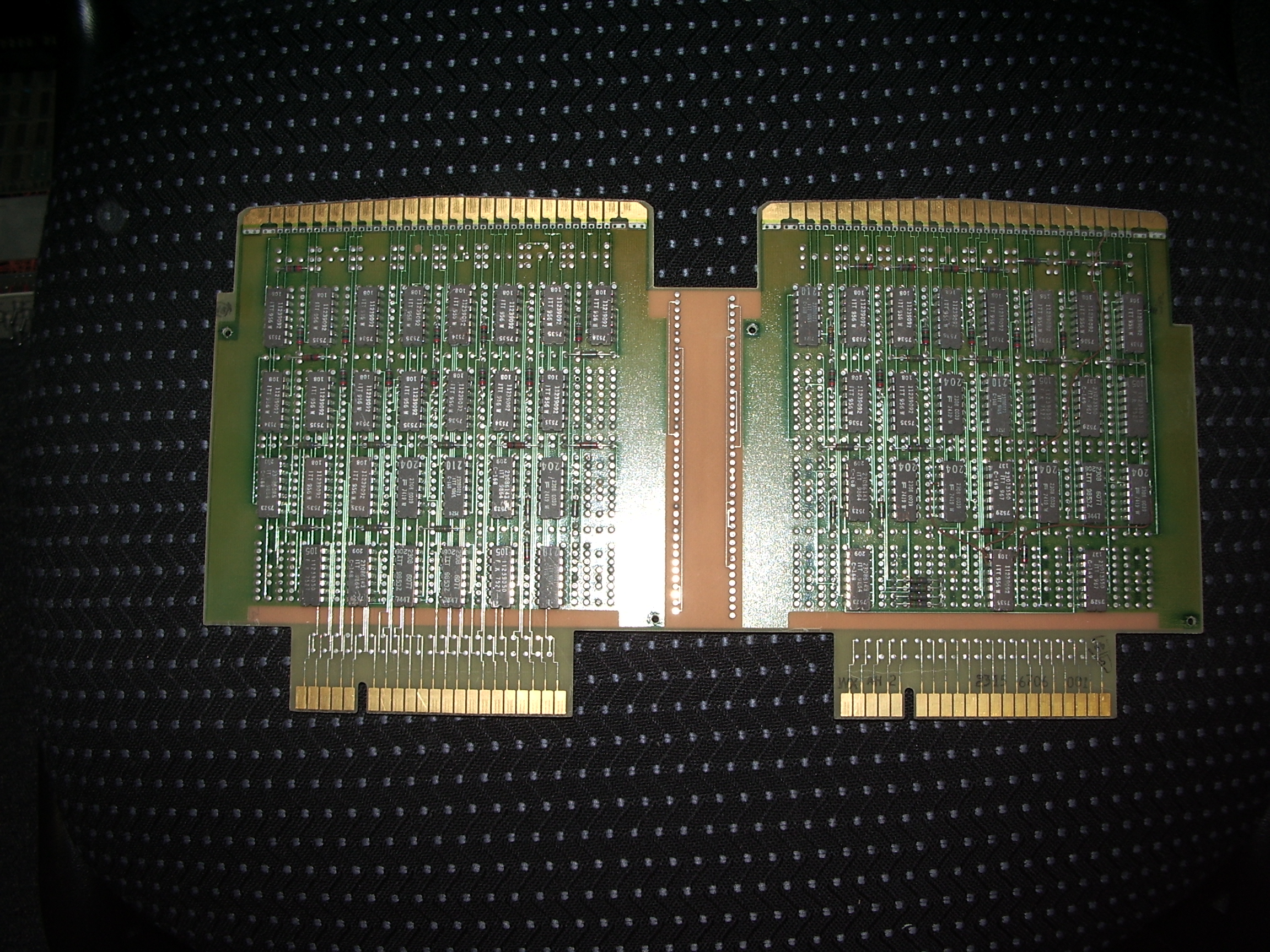
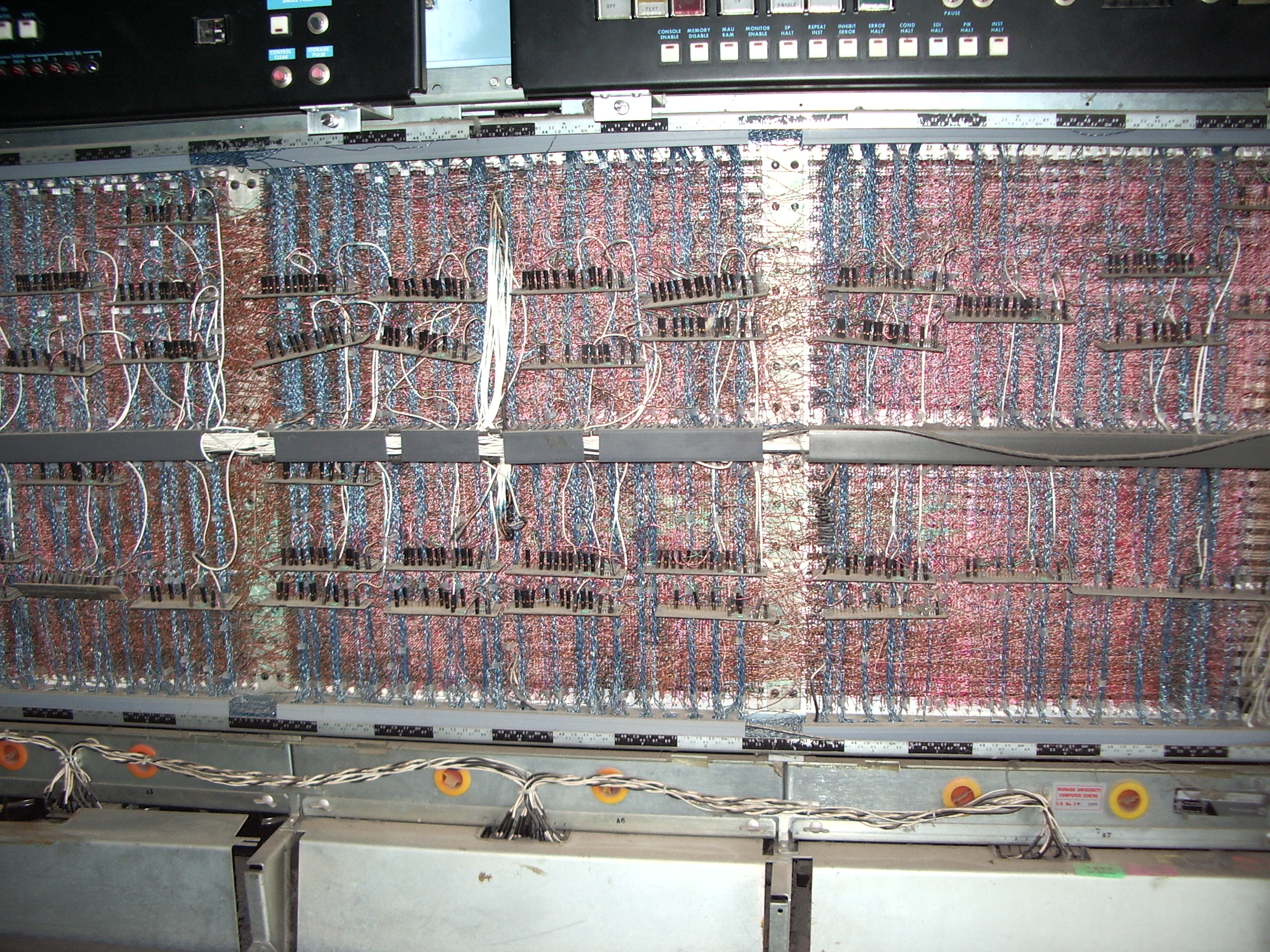
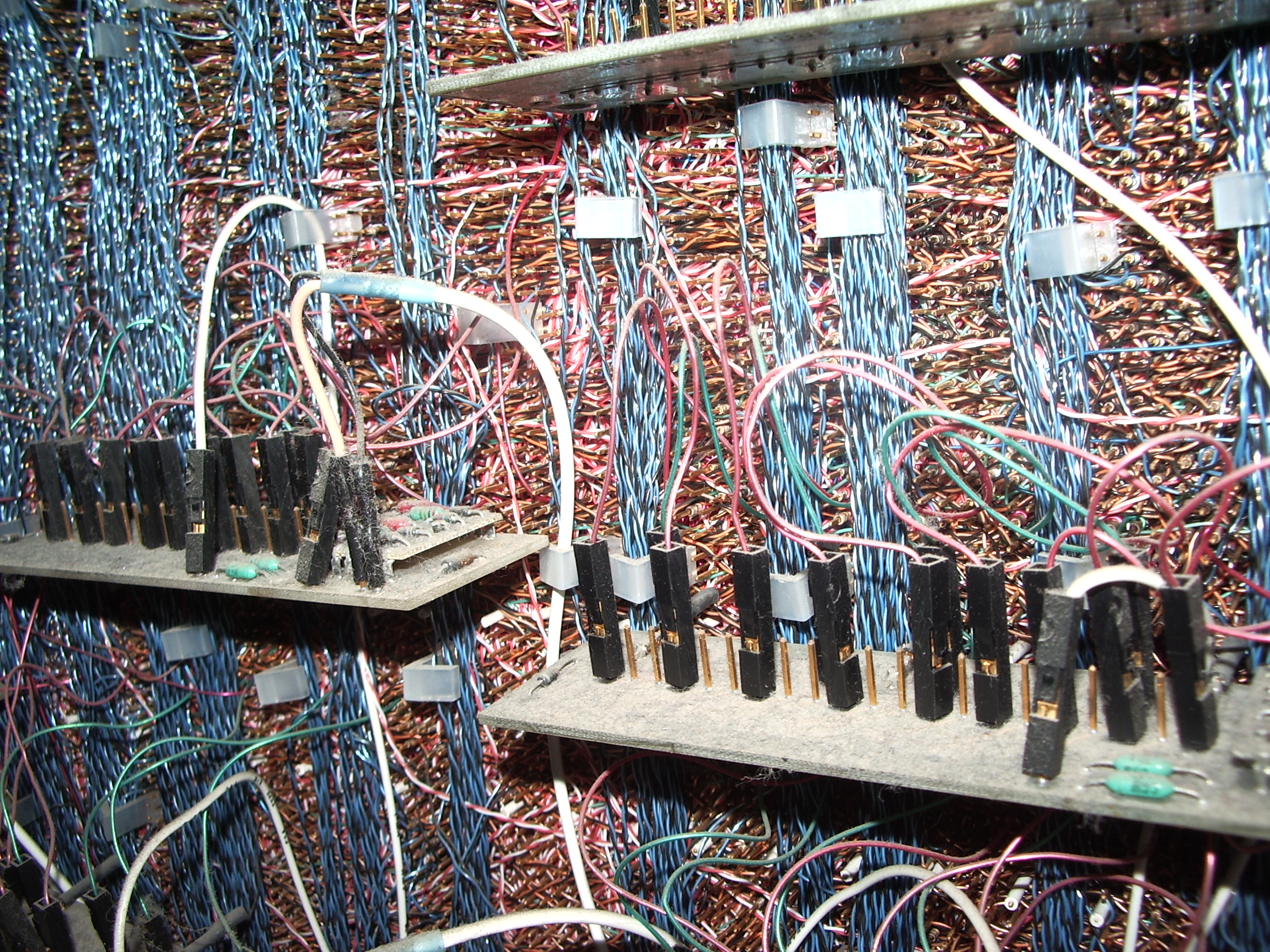
The completely wired wrapped cards, no two were alike. This was not a
machine for board jockeys. Wire wraps were two deep and productions cards were wrapped by robot. |
 |
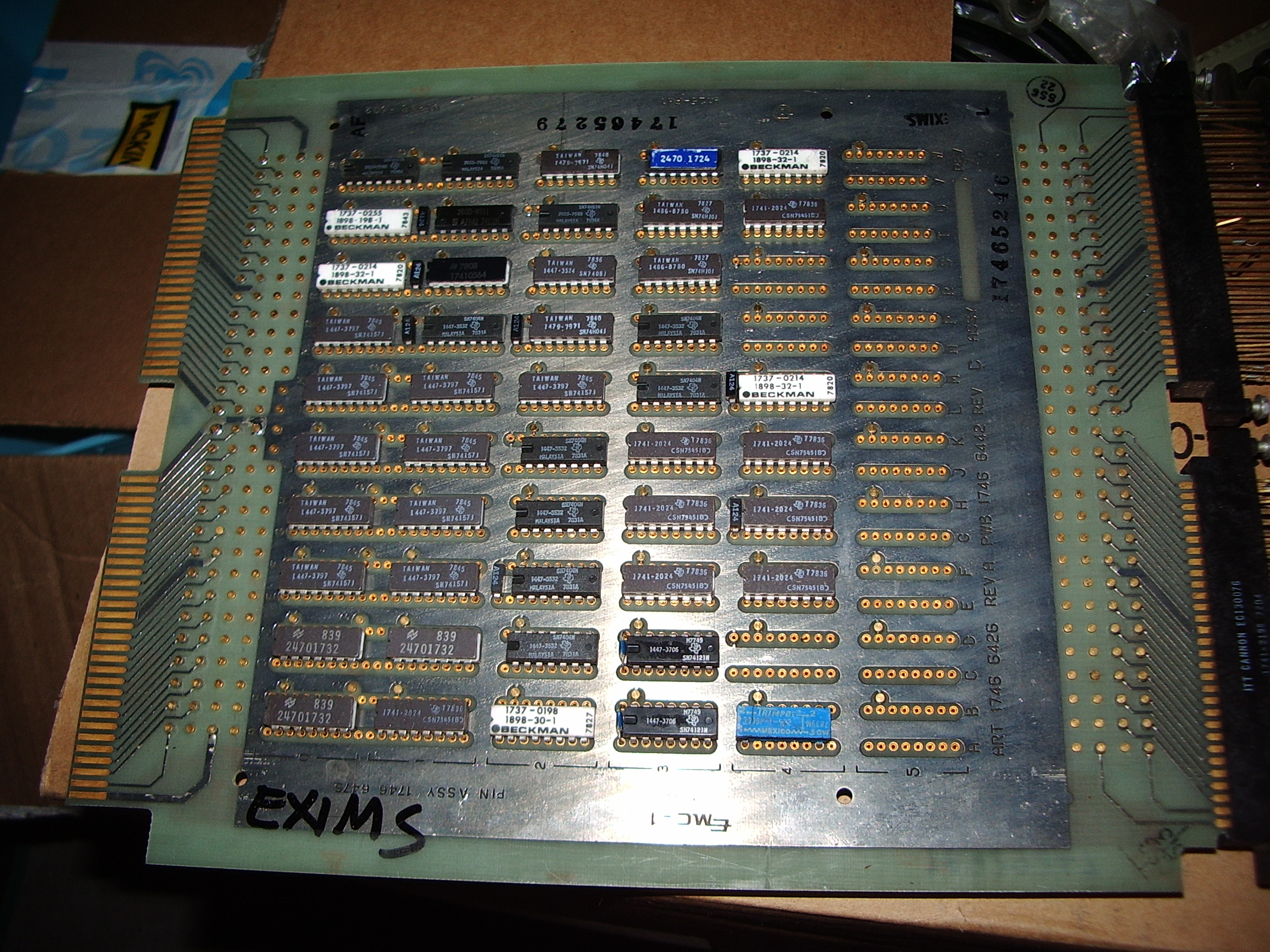
| This board and its hundreds of companions was biult from a hybrid mixture of CTuL logic and TTL logic for more rarely used MSI functions. Chip makers were Fairchild and ITT. CTuL chips were power hungry. They would overheat and destroy themselves in the obsence of flowing air. |
 |
The above two images are
from one of
the hundreds of circuit cards from the Burroughs B7800 CPM and IOM
mainframes. The chip family is the little emulated and not
lamented CTuL family that was made on special order from Fairchild and
ITT. All the boards were totally wire wrapped with the ICs soldered in
place, the chips were never socketed. The wire wrap was two deep per
post. The close up shows a clock distribution amplifier, every card had
at least one of these. We had to perform chip level repairs on these
boards. There were no schematics. What we had we the so
called
LOCAL books (Logical and Chip Analysis) which had a typographical
tabular convention that specified the logic equations for the board and
the complete wire map in tabular form. From test vectors injected by
the B800 mainenance processor the machine and the board called be put
into a state one clock cycle before the error vector. We traced the
faulty logic state back from the front panel, to one or more cards and
finally to the chip or wired OR signal. Some horrible wire OR signals
had over one hundred terms and could take days of very
pernikity
probing and thinking. Intermittant faults were common. When working
this way with a suspect board out of the card cages on an extender we
would be exposed to the full blast of the underfloor cooling and this
was highly unpleaseant, the set point temperature was 12 degrees C.
Cooling failures were potentially diasterous and one of my
very
first projects was to construct an overtemperature detector and automatic
shutdown controller.
CTul was somewhat like ECL ( see
my ECL rant
) but yet completely unlike it. It was a strange RTL-like
logic
with open emitter output. It was incredibly power hungry, a
chip left powered up without a hurricanes' worth of cold air blasting
over it could get too hot to touch. I dont believe that anybody other
than Burroughs ever used this logic family. They choose to use this
logic family very early and only gave it up when the A10 series
mainframe was released make of TTL. The logic family was
quite
fast. The B7800 master clock ran at 8Mhz. I believe that the CTUL
logic family was also used by NASA on the Vehicle Flight Controller on
the Saturn V rocket. There were only SSI functions available in the family, but it was sort of TTL compatible and the B7800 used TTL gates for things like bipolar memory. Logic supplies were 4.75 volts and negative 2Volts. The CTuL gates did not have gain, and that meant that after a logic signal had propagated through 3 levels of logic a buffer or amplifier would be required to regenerate the logic level. CTuL first appeared in 1965 and the images below are from an ancient Fairchild manual. It predates TTL by about 10 years. I suspect it was developed to get around Motorala ECL patents. |
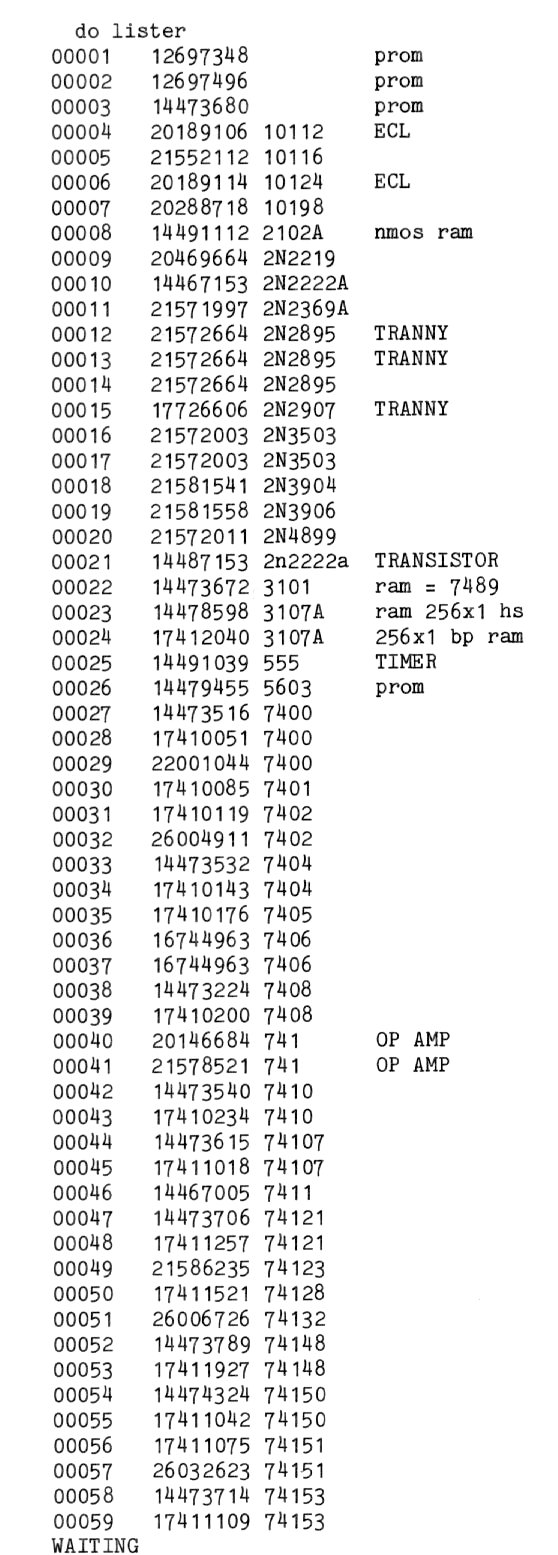
Burroughs chip house code to commercial equivalents list
These pages are burroughs house part number codes to commercial equivalents. I prepared this list sometime in 1987 to aid myself in sourcing replacement commercial parts. Burroughs then liked to charge $50 for a 7400 quad nand gate because it had their house code on it...and off course, your mainframe wouldnt work unless it had the genuine burroughs part...wouldnt it now! I have provided this list as a service to hobbyists and radio hams that may come across discarded computer boards packed with assorted TTL chips that are useless unless you can find the commercial part numbers. The list was constructed largely from schematics, order books and sometimes chip manufactures would print the burroughs house code on top of the chips but also print the commercial type numbers underneath! This list is not available in machine readable form. | |
 |  |
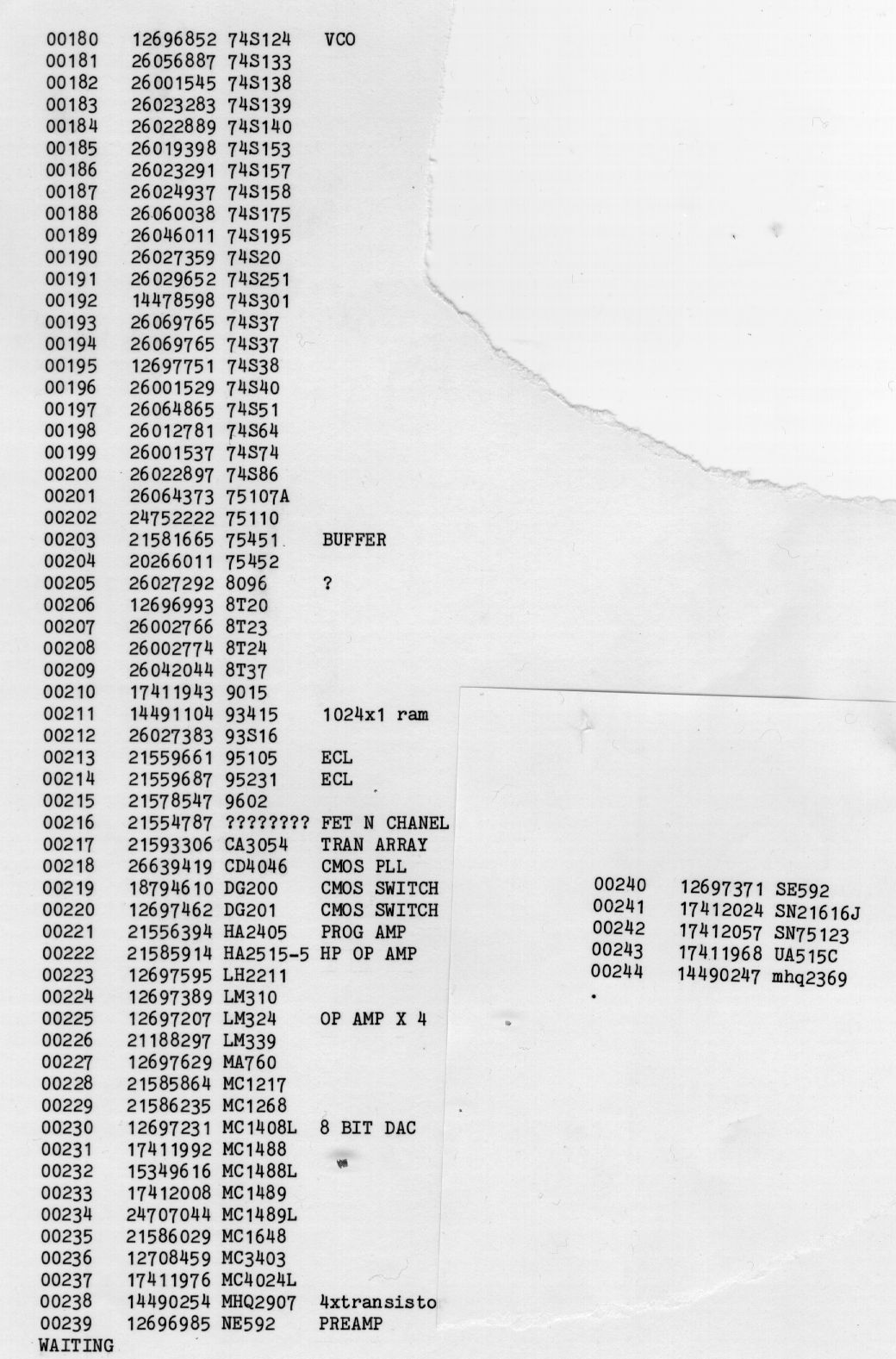 | 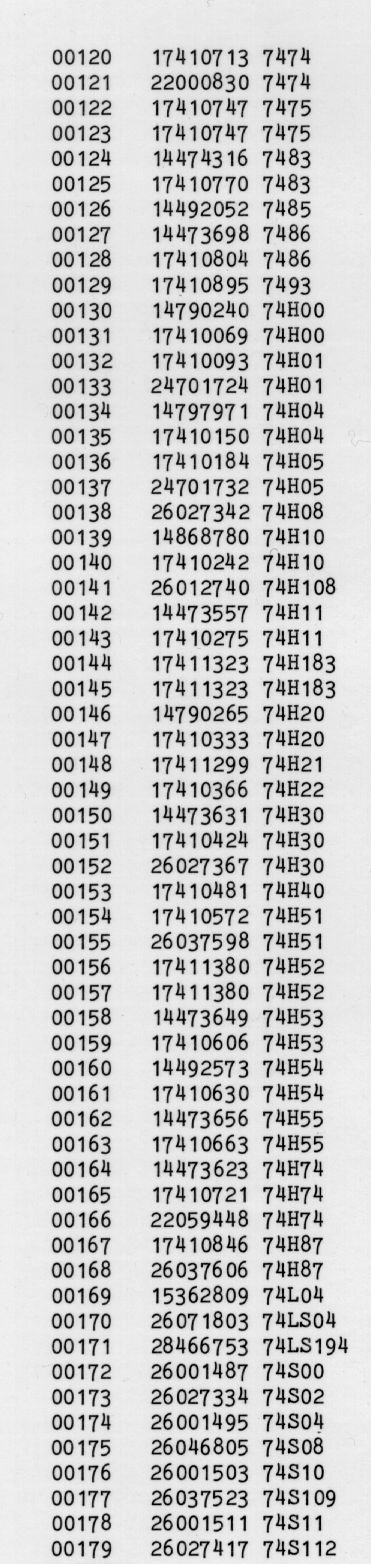 |
| Most of my digital projects documented elsewhere were built with discarded burroughs chips | |
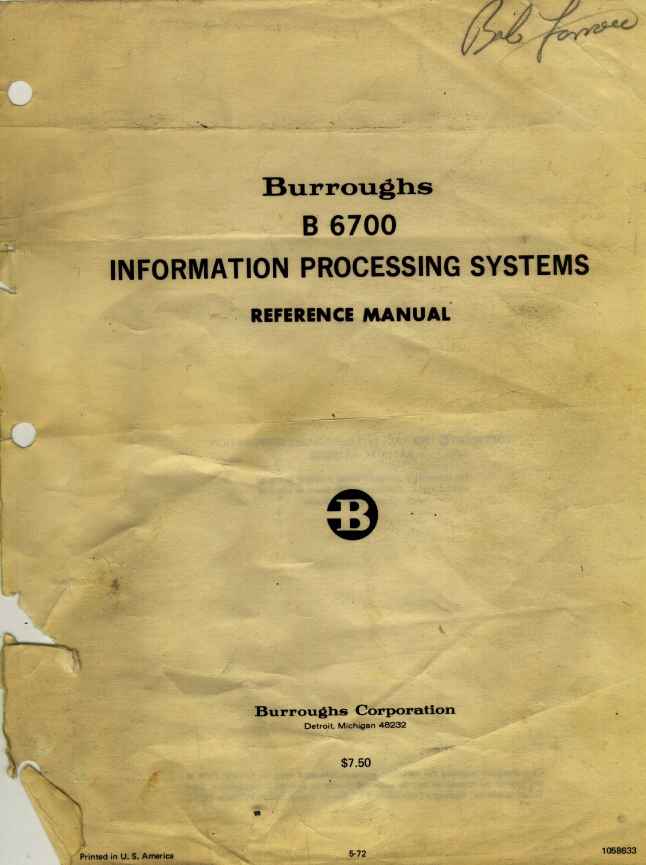 |
| Here is my complete scan of the B6700 systems architecture manual |
 | 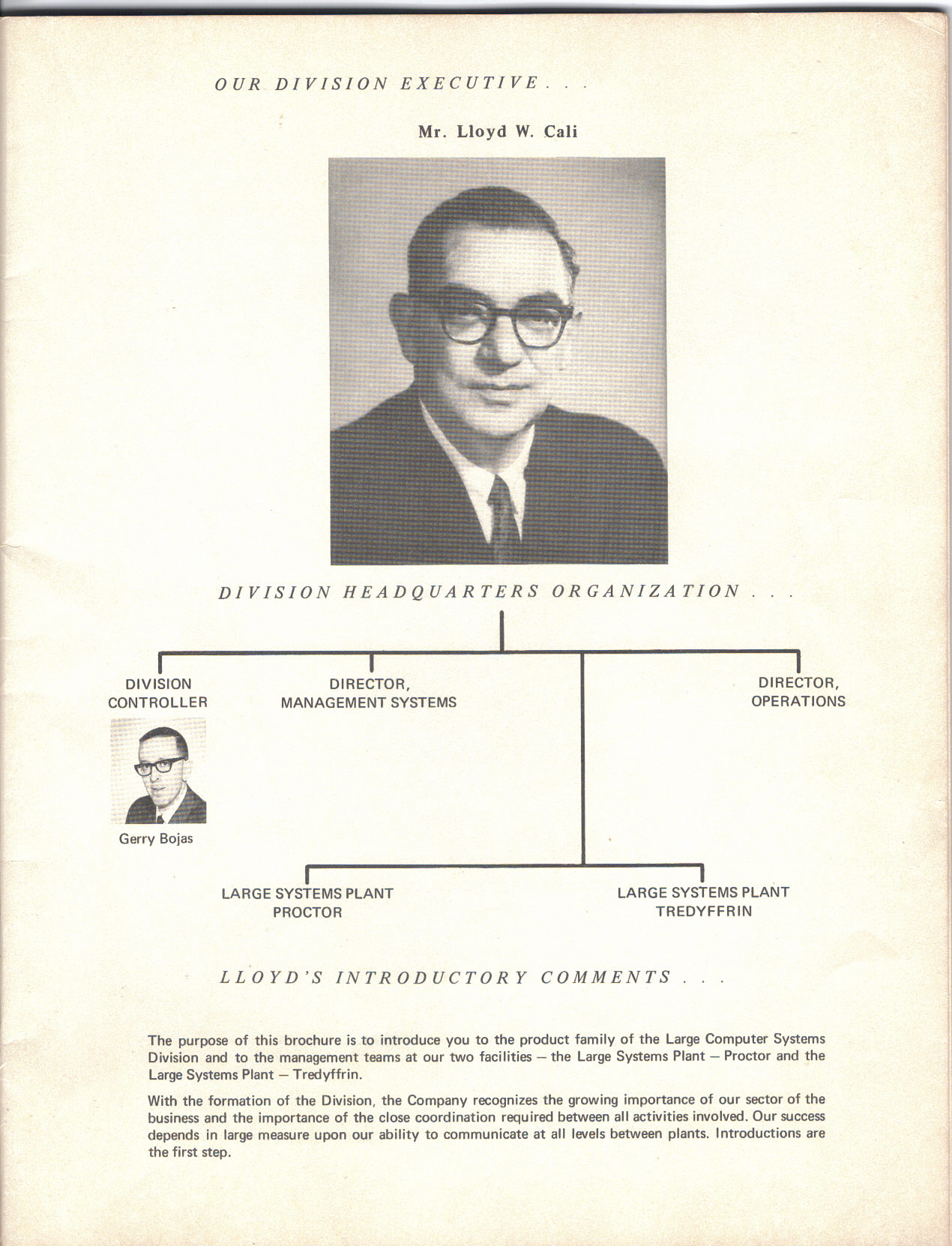 | 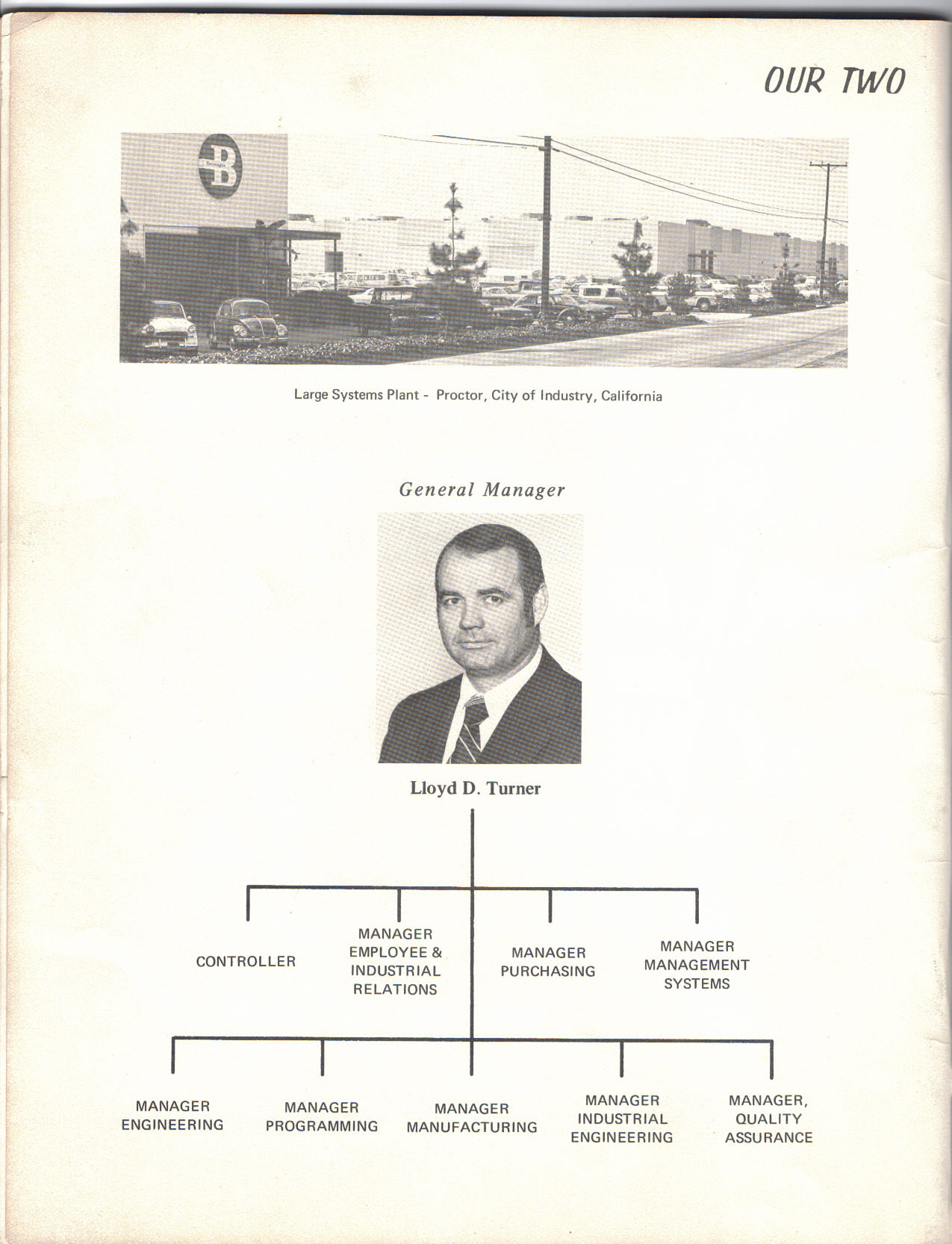 | 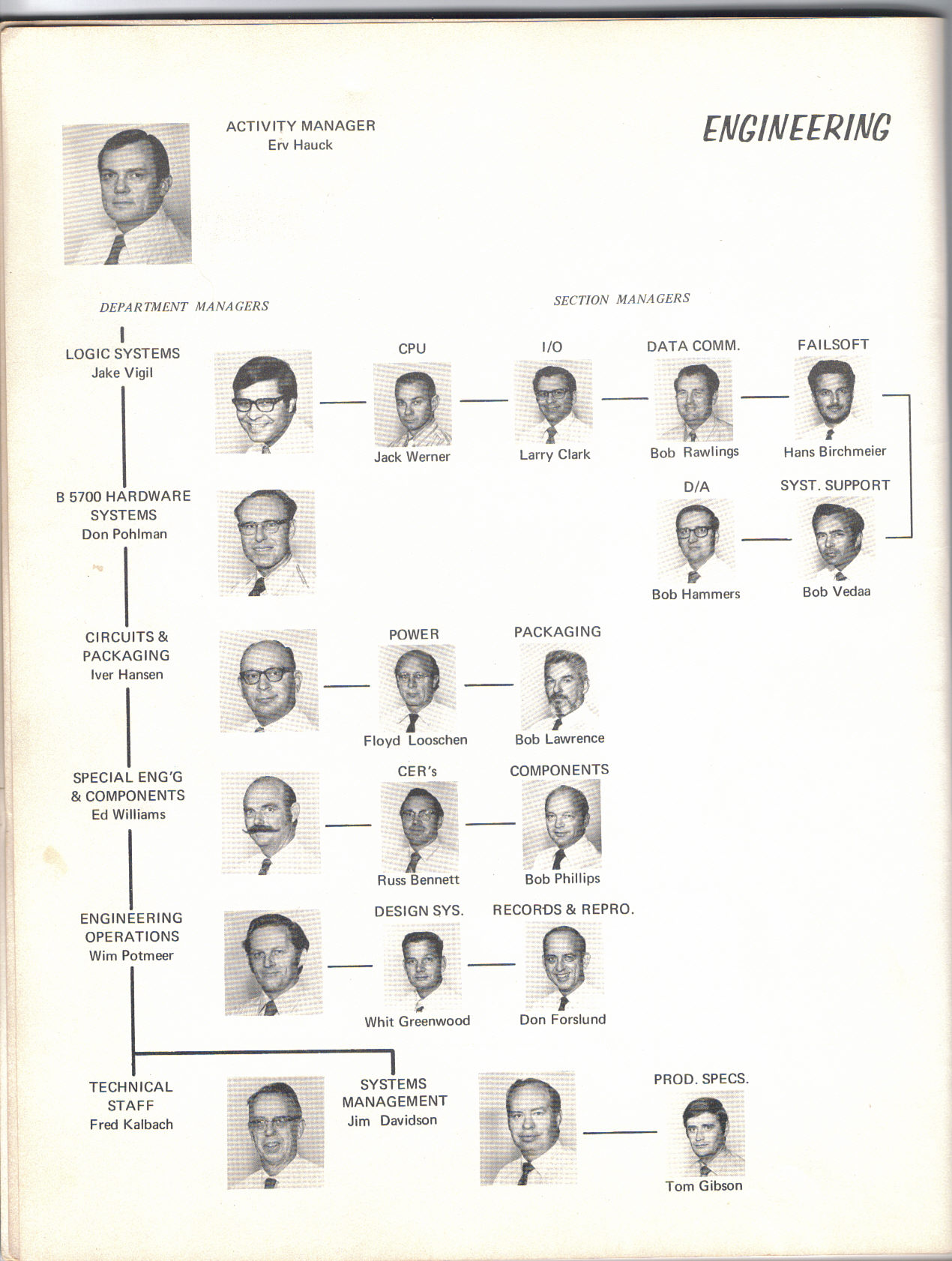 |
 | 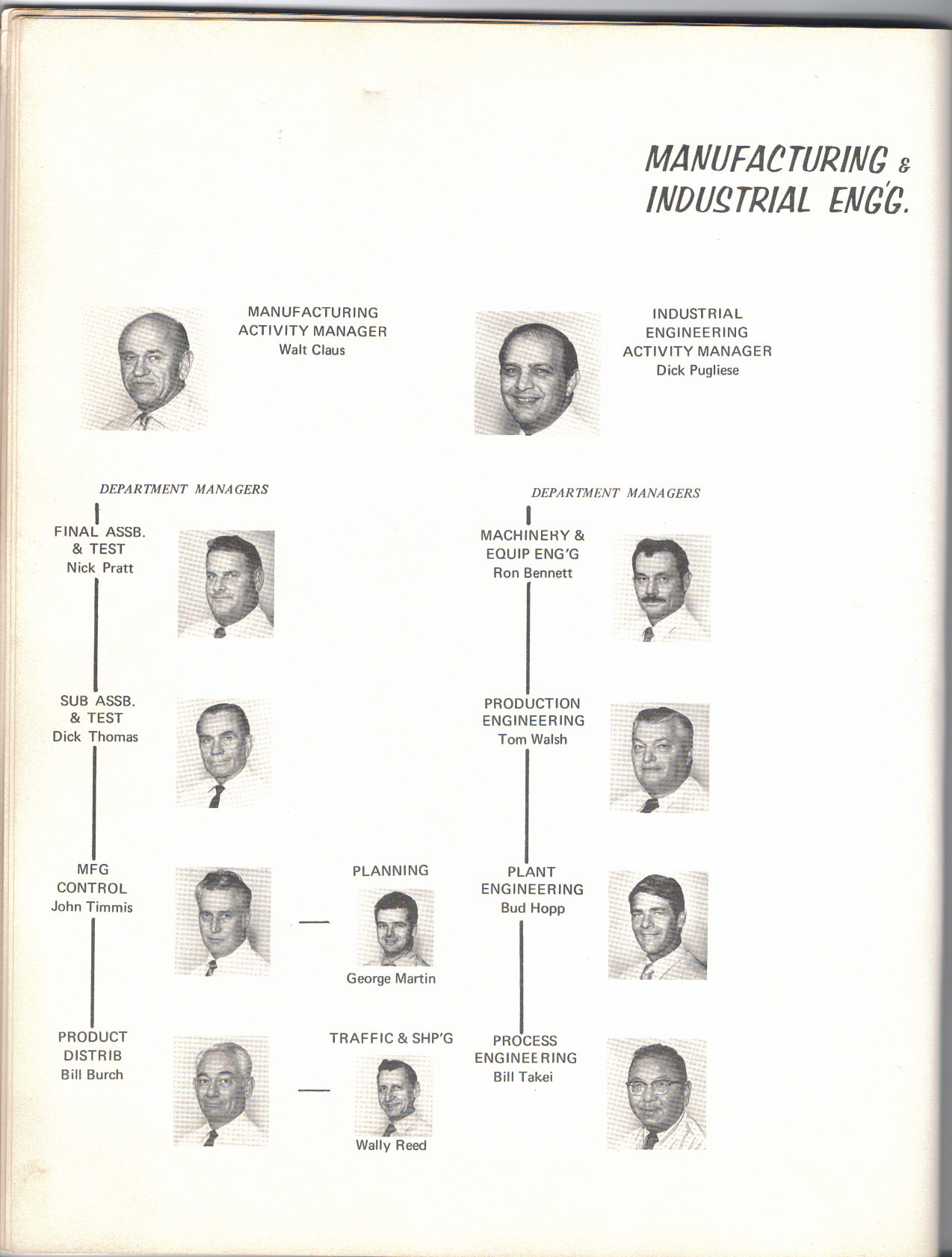 |  |  |
 | 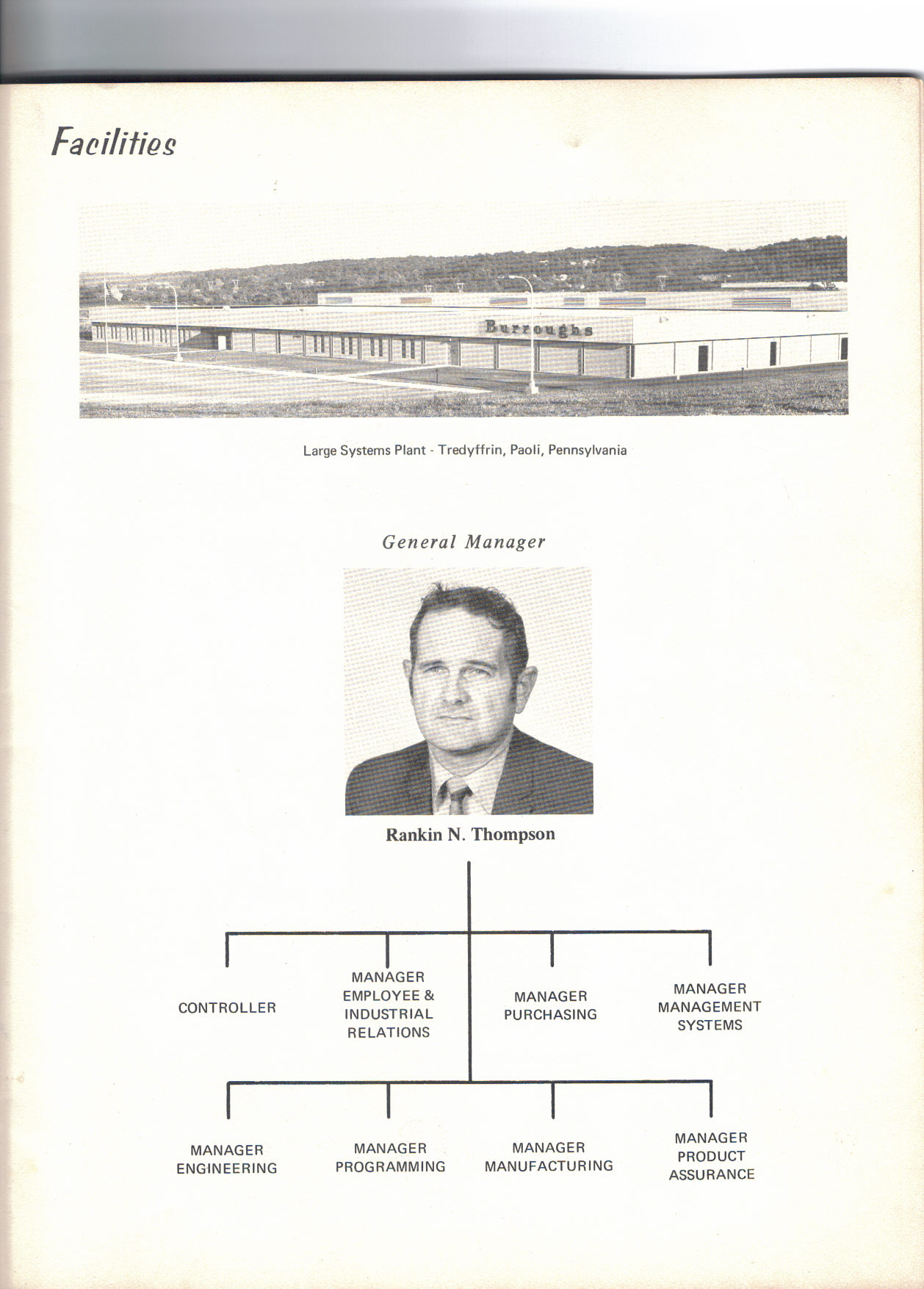 |  |  |
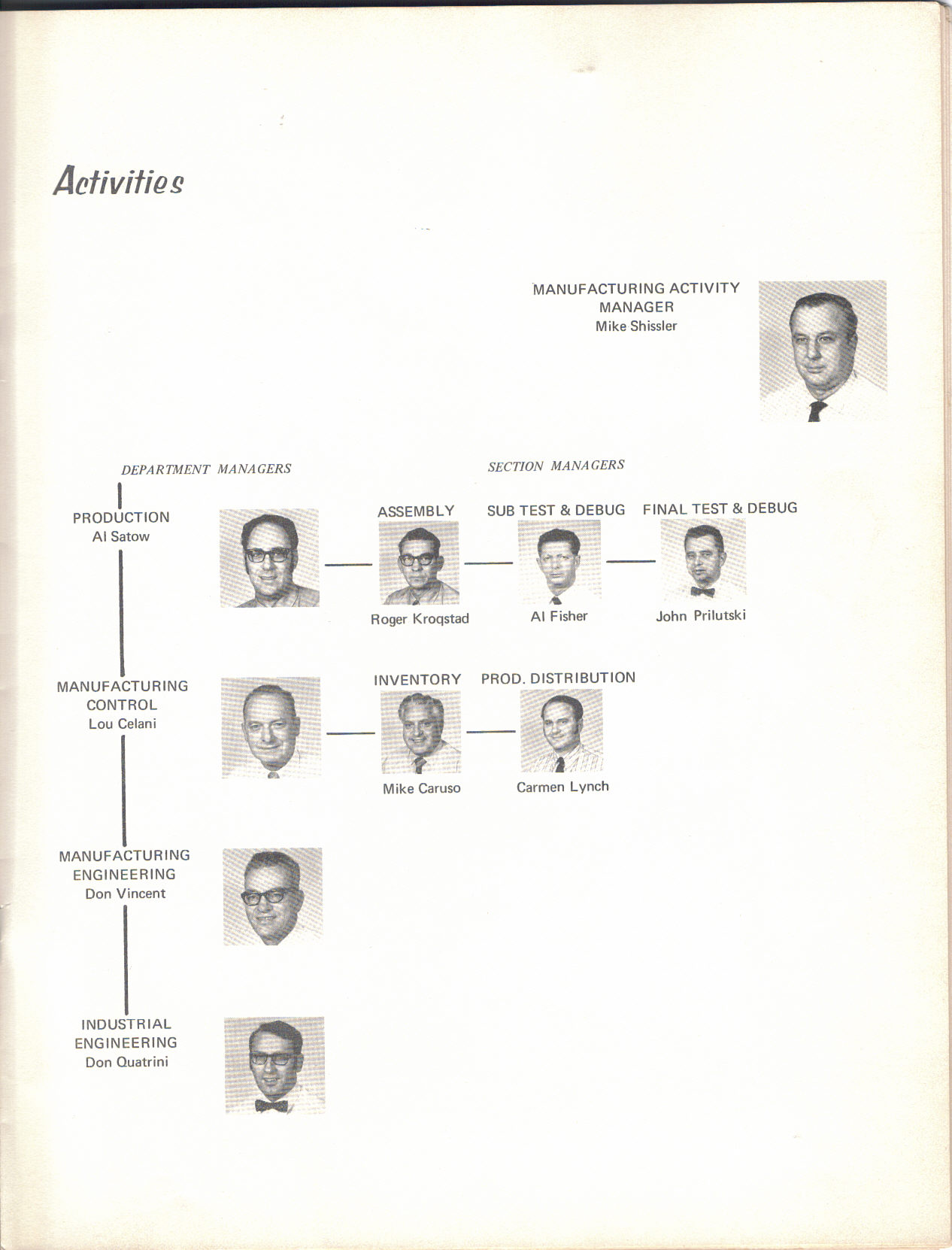
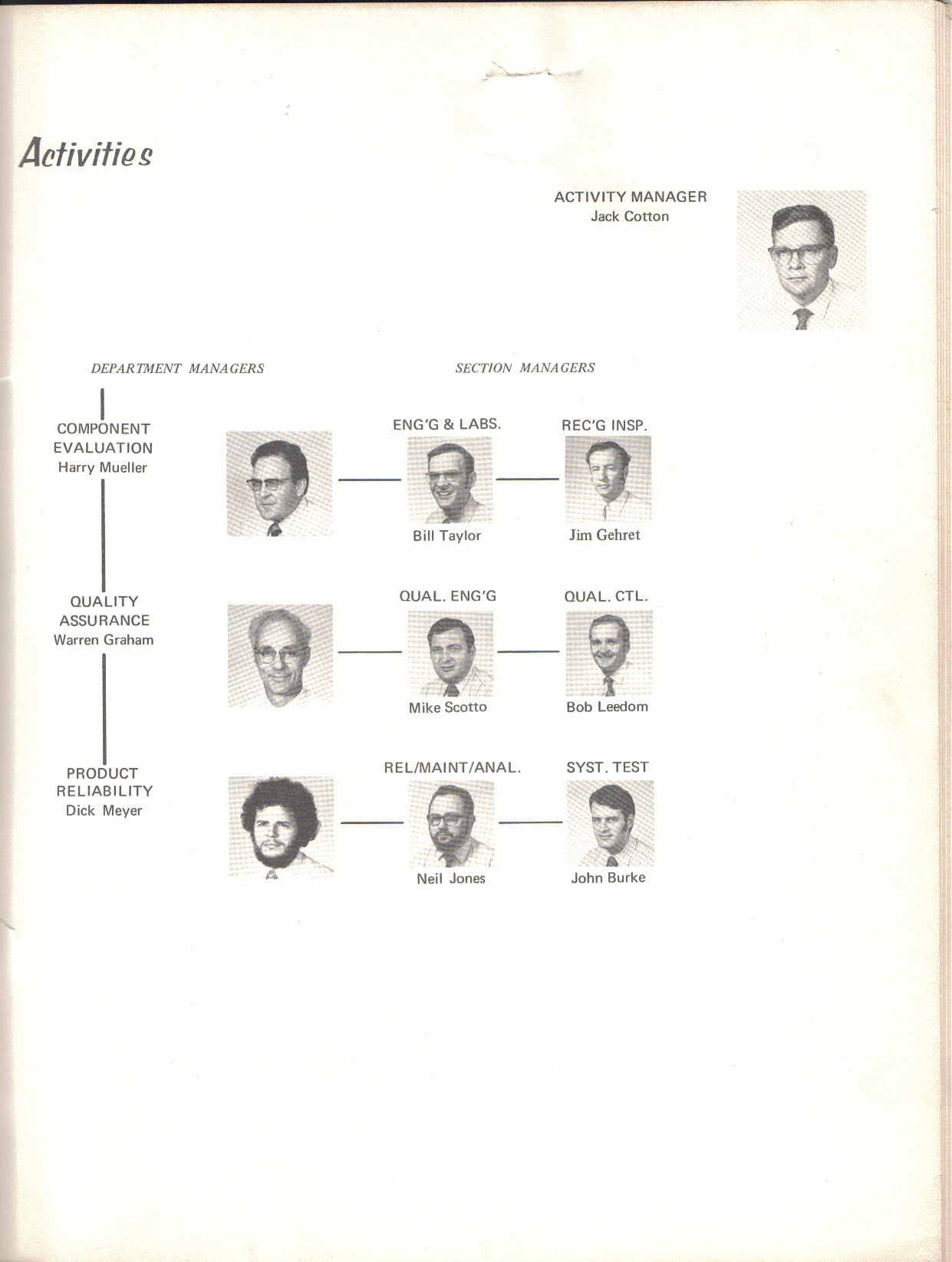
| Am image of the Treddyfrin plant | |||
 |  |  |  |
| emails welcomed at |  |