July, 2024: Systematic errors in searches for nanohertz gravitational waves (Di Marco, Zic, Shannon, Eric Thrane) accepted in Mon. Not. R. Ast. Soc.
June, 2024: No evidence for a dip in the binary black hole mass spectrum (Adamcewicz, Lasky, Thrane, Mandel) posted on the arxiv.
June, 2024: Striking the right tone: towards a self-consistent framework for measuring black hole ringdowns (Clarke et al) published in
Phys. Rev. D.
May, 2024: Are all models wrong? Falsifying binary formation models in gravitational-wave astronomy (Passenger, Thrane, Lasky, Payne, Stevenson, Farr) posted on the arxiv.
May, 2024: GammaBayes: a Bayesian pipeline for dark matter detection with CTA (Pinchbeck, Thrane, Balazs) published in
J. Cosmo. R. Ast. Part.
April, 2024:Does spacetime have memories? Searching for gravitational-wave memory in the third LIGO-Virgo-KAGRA gravitational-wave transient catalogue (Cheung, Lasky, Thrane) published in
Class. Quantum Grav.
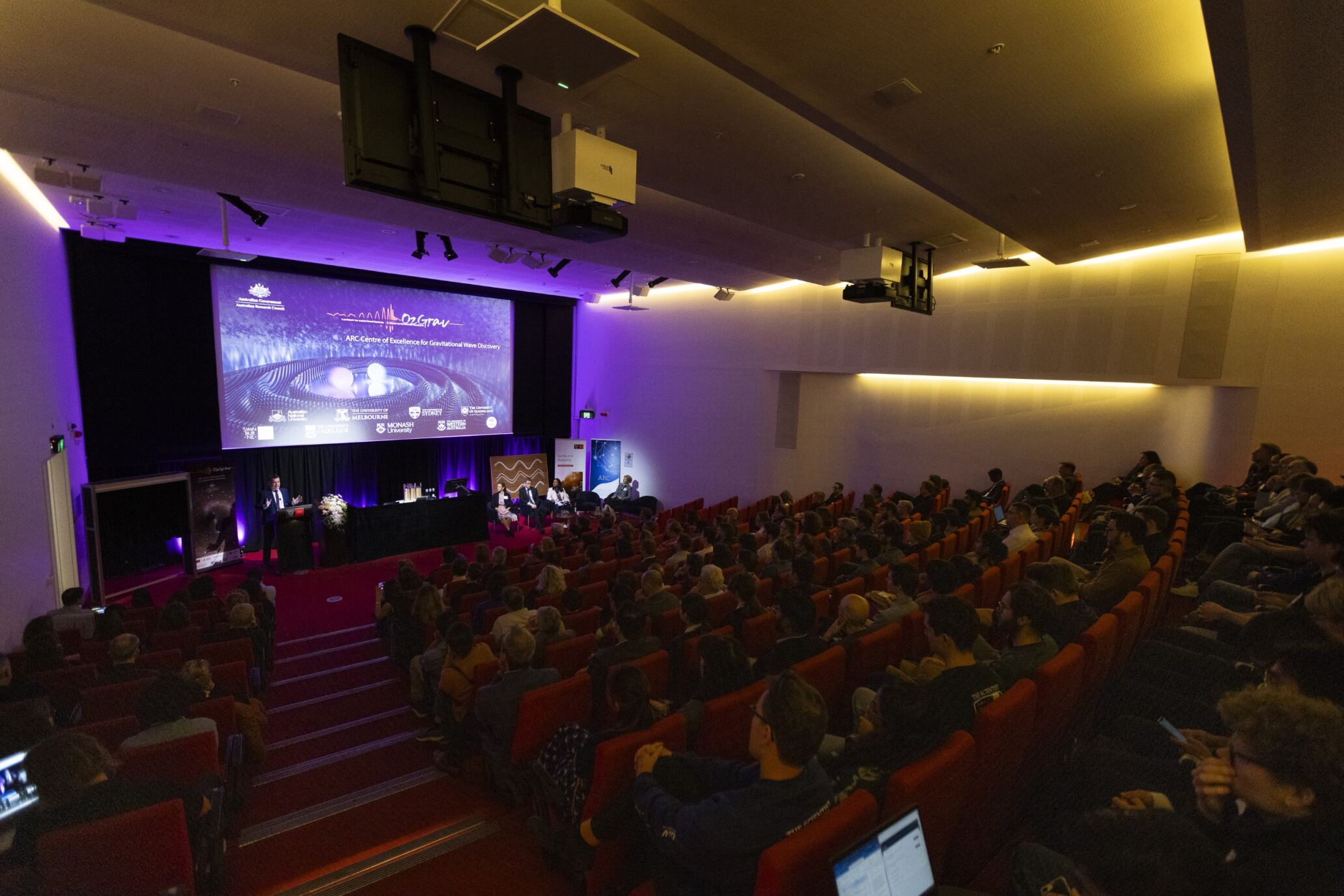
April, 2024: Proud to be part of OzGrav 2! Today we launched a new, $37M centre of excellence for gravitational-wave astronomy!
 April, 2024: Observation of Gravitational Waves from the Coalescence of a 2.5−4.5 M☉ Compact Object and a Neutron Star
 posted on the arxiv.
April, 2024: Transdimensional inference for gravitational-wave astronomy with Bilby (Tong et al) posted on the arxiv.
March, 2024: Which black hole is spinning? Probing the origin of black-hole spin with gravitational waves (Adamcewicz, Lasky, Thrane) published in
Astrophys. J. Lett.
January, 2024: Precision constraints on the neutron star equation of state with third-generation gravitational-wave observatories (Walker et al.) posted on the arxiv.
December, 2023: Multi-messenger astronomy with a Southern-Hemisphere gravitational-wave observatory (Gardner et al.) published in
Phys. Rev. D.
November, 2023: Evidence for a correlation between binary black hole mass ratio and black-hole spins (Adamcewicz, Lasky, Thrane) published in the
Astrophys. J.
October, 2023: Toward robust detections of nanohertz gravitational waves (Di Marco, Zic, Miles, Reardon, Thrane, Shannon) published in the
Astrophys. J.
July, 2023: Search for an Isotropic Gravitational-wave Background with the Parkes Pulsar Timing Array published in Astrophys. J. Lett.
See also:
Using a detector the size of a galaxy, astronomers find strongest evidence yet for gravitational waves from supermassive black hole pairs.
June, 2023: Constraining white dwarf tides from gravitational waves with LISA (Biscoveanu, Kremer, Thrane) published in
Astrophys. J.
June, 2023: GWCloud: a searchable repository for the creation and curation of gravitational-wave inference results (Baker, Lasky, Thrane, Ashton, Cantos, Lakerink, Leslie, Poole, Reichardt) published in
Astrophys. J. Supp.
June, 2023: Improving pulsar-timing solutions through dynamic pulse fitting (Nathan et al.) publisheed in
Mon. Not. R. Ast. Soc.
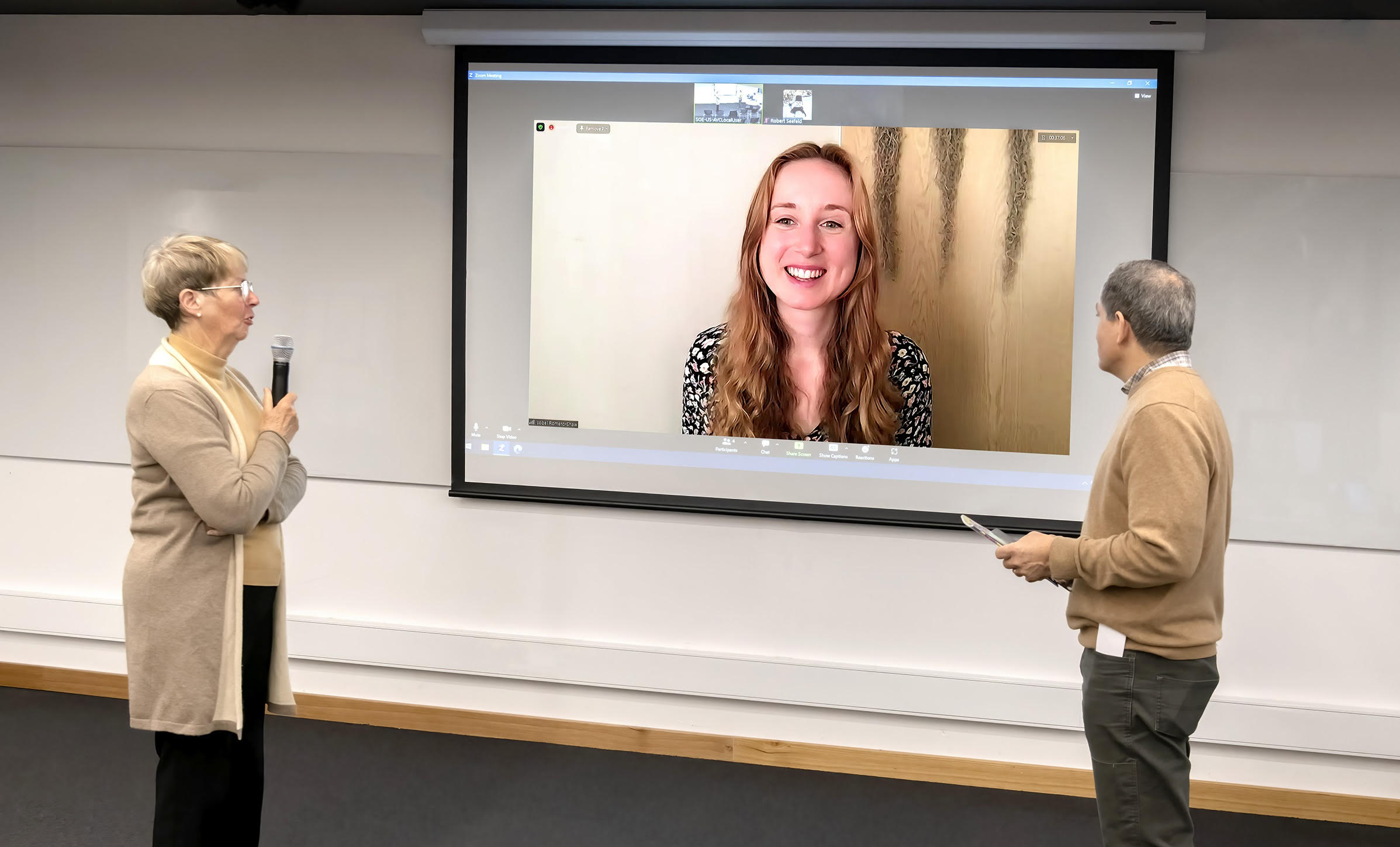
May, 2023: Huge congratulations to Isobel Romero-Shaw: recipient of the 2022 Robert Street Doctoral Prize awarded to the best dissertation in the School of Physics and Astronomy!
 May, 2023: Nuclear physics with gravitational waves from neutron stars disrupted by black holes
 (Clarke, Chastain, Lasky, Thrane) published in
Astrophys. J. Lett.
April, 2023: Deep follow-up of GW151226: ordinary binary or low-mass-ratio system? (Vajpeyi, Smith, Thrane) published in
Astrophys. J.
April, 2023: The International Pulsar Timing Array checklist for the detection of nanohertz gravitational waves posted on the arxiv.
April, 2023: Model exploration in gravitational-wave astronomy with the maximum population likelihood (Payne , Thrane) published in
Phys. Rev. Res.
April, 2023: Come work with us! We're advertising a three-year postdoctoral position in gravitational-wave astronomy at Monash University in Melbourne, Australia. Check out the
ad, and send us a message for more information.
March, 2023: GWTC-3: Compact Binary Coalescences Observed by LIGO and Virgo during the Second Part of the Third Observing Run (Abbott et al.) published in
Phys. Rev. X.
March, 2023: Meet the parents: the progenitor binary for the supermassive black hole candidate in E1821+643 (Paynter & Thrane) published in
Astrophys. J. Lett.
December, 2022: Four eccentric mergers increase the evidence that LIGO--Virgo--KAGRA's binary black holes form dynamically (Romero-Shaw, Lasky, Thrane) published in
Astrophys. J.
November, 2022: "A Transdimensional Approach to Gravitational-Wave Astronomy" (DP230103088): $460K for gravitational-wave research with AProf Paul Lasky.
November, 2022: The population properties of spinning black holes using Gravitational-wave Transient Catalog 3 (Tong, Galaudage, Thrane) published in
Phys. Rev. D.
November, 2022: I am honoured to be part of
OzGrav 2: a seven-year, $44M AUD centre of excellence. Our mission is to ``use gravitational waves to investigate the fundamental nature of relativistic gravity, ultra-dense matter, and cosmology.'' Over the coming months, we'll be hiring several postdocs; keep an eye out for the advertisements.
November, 2022: Bayesian WIMP detection with the Cherenkov Telescope Array (Mangipudi, Thrane, Balazs) published in
JCAP.
October, 2022: Do unequal-mass binary black hole systems have larger χeff? Probing correlations with copulas in gravitational-wave astronomy (Adamcewicz, Thrane) published in
Mon. Not. R. Ast. Soc.
October, 2022: Signatures of mass ratio reversal in gravitational waves from merging binary black holes (Broekgaarden, Stevenson, Thrane) published in
Astrophys. J.
October, 2022: Gravitational-wave inference for eccentric binaries: the argument of periapsis (Clarke, Romero-Shaw, Lasky, Thrane) published in
Mon. Not. R. Ast. Soc.
September, 2022: A Rosetta Stone for eccentric gravitational waveform models (Knee, Romero-Shaw, Lasky, McIver, Thrane) published in
Astrophys. J.
July, 2022: A search for intermediate-mass black holes mergers in the second LIGO--Virgo observing run with the Bayes Coherence Ratio (Vajpeyi et al) published in
Mon. Not. R. Ast. Soc.
June, 2022: Consistency of the PPTA signal with a nanohertz gravitational wave background (Goncharov et al.) published in
Astrophys. J.
June, 2022: When models fail: an introduction to posterior predictive checks and model misspecification in gravitational-wave astronomy (Romero-Shaw, Thrane, Lasky) published in
Pub. Astron. Soc. Aust.
June, 2022: Measuring the properties of active galactic nuclei disks with gravitational waves (Vajpeyi, Thrane, Smith, McKernan, Ford) published in
Astrophys. J.
June, 2022: The imprint of superradiance on hierarchical black hole mergers (Payne, Sun, Kremer, Lasky Thrane) published in
Astrophys. J.
May, 2022: LIGO--Virgo correlations between mass ratio and effective inspiral spin: testing the active galactic nuclei channel (McKernan et al.) published in
Mon. Not. R. Ast. Soc.
April, 2022: Orbital dynamics and extreme scattering event properties from long-term scintillation observations of PSR J1603-7202 (Walker, Reardon, Thrane, Smith) published in
Astrophys. J.
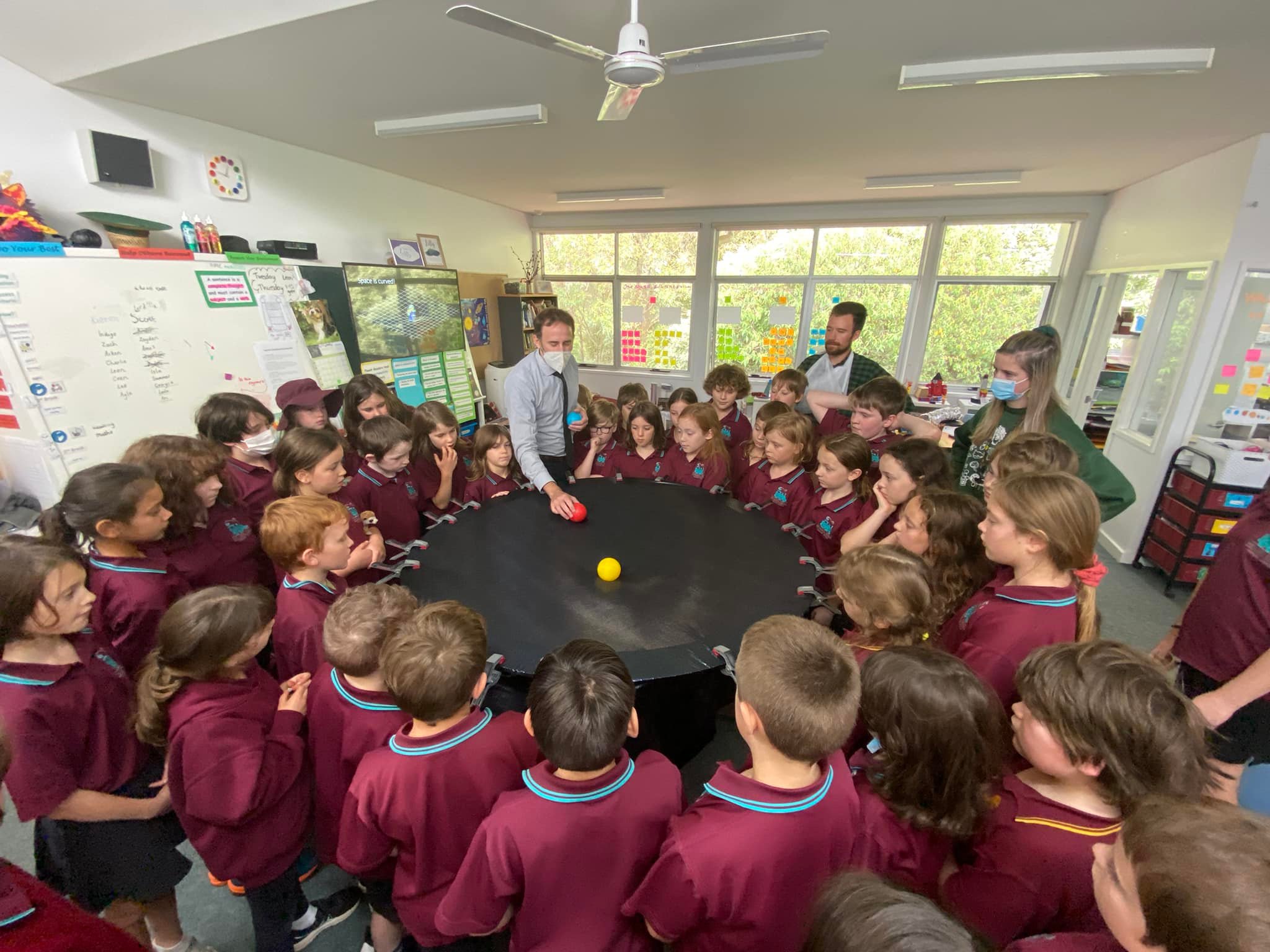
March, 2022: I enjoyed teaching year-3/4 students about black holes at an outreach event today!
 March, 2022: Linking the rates of neutron star binaries and short gamma-ray bursts
 (Sarin et al) published in
Phys. Rev. D.
March, 2022: Fast, flexible, and accurate evaluation of Malmquist bias with machine learning: Preparing for the pending flood of gravitational-wave detections (Talbot and Thrane) published in
Astrophys. J.
February, 2022: Don't Just Leave-One-Out: Probing Extremal Gravitational-Wave Events with Coarse-grained Likelihoods (Essick et al) published in
Astrophys. J.
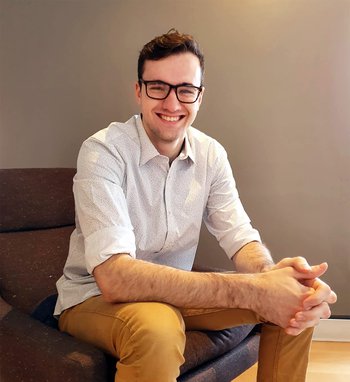
February, 2022: A huge congratulations to Ethan Payne, winner of the Australian Institute of Physics
TH Laby Medal "for the best Honours or Masters thesis from an Australian University."
(Credit: Caltech)
December, 2021: Optimized localization for gravitational-waves from merging binaries (You, Ashton, Zhu, Thrane, Zhu) published in
Mon. Not. R. Ast. Soc.
November, 2021: Did Goryachev et al. detect megahertz gravitational waves? (Lasky & Thrane) published in
Phys. Rev. D.
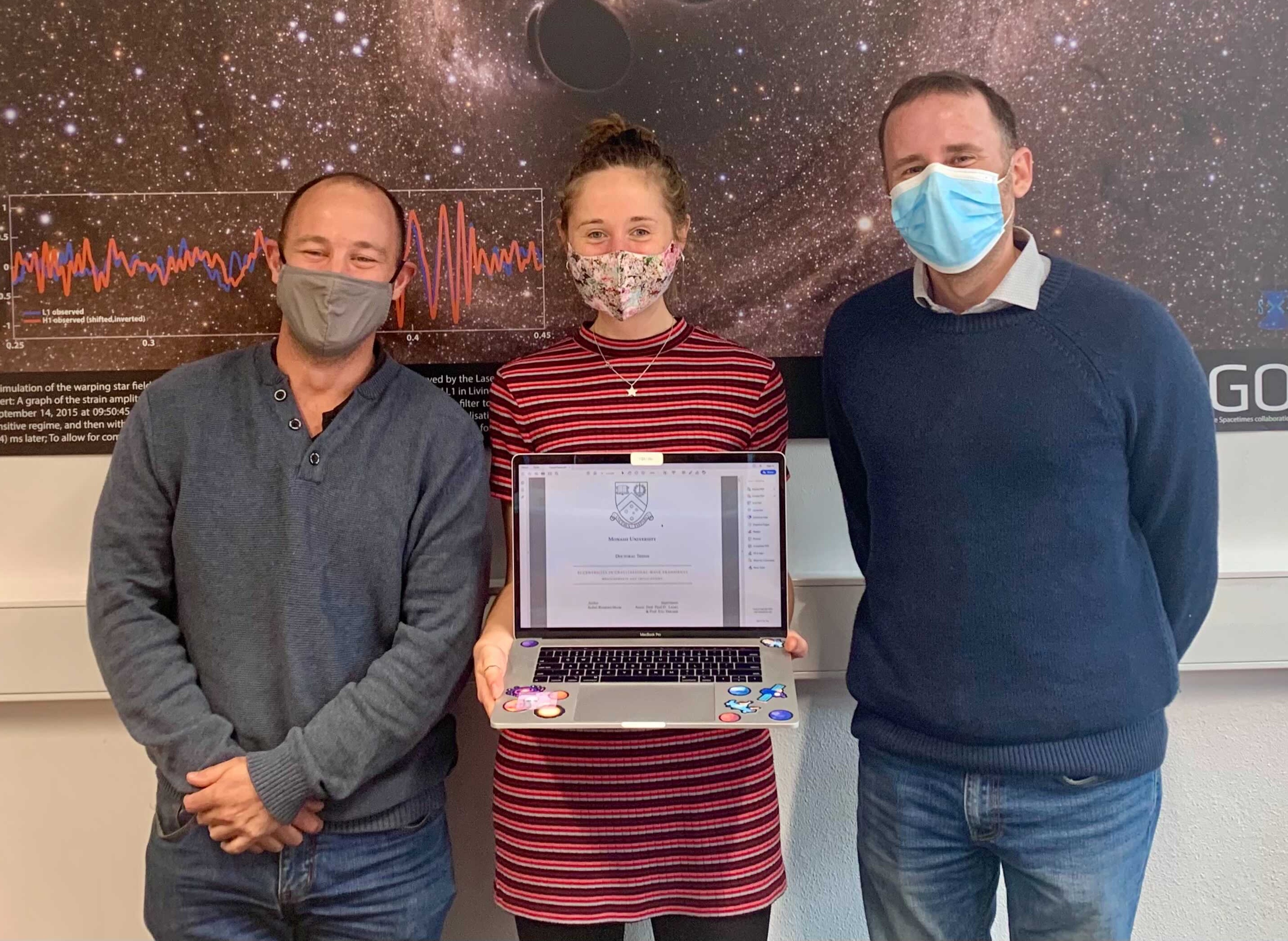
November, 2021: Congratulations to Isobel Romero-Shaw for submission of her dissertation,
Eccentricity in gravitational-wave transients:
(Credit: S. Galaudage)
November, 2021: The third LIGO-Virgo catalog GWTC-3 is now public! Postgraduate student, Isobel Romero-Shaw, contributed to the writing of the
catalog paper. Shanika Galaudage, meanwhile, contributed to the
population paper. In the news:
Record number of new gravitational waves offers game-changing window into Universe.
November, 2021: Implications of Eccentric Observations on Binary Black Hole Formation Channels (Zevin, Romero-Shaw, Kremer, Thrane, Lasky) published in
Astrophys. J. Lett.
November, 2021: Signs of eccentricity in two gravitational-wave signals may indicate a sub-population of dynamically assembled binary black holes (Romero-Shaw, Lasky, Thrane) published in
Astrophys. J. Lett. See also:
Can Gravitational Waves Tell Us How Binary Black Holes Form?
November, 2021: Building better spin models for merging binary black holes: Evidence for non-spinning and rapidly spinning nearly aligned sub-populations (Galaudage, Talbot, Nagar, Jain, Thrane, Mandel) published in
Astrophys. J. Lett.
October, 2021: Inference with finite time series: Observing the gravitational Universe through windows (Talbot, Thrane, Biscoveanu, Smith) published in
Phys. Rev. Res.
October, 2021: Constraints on Weak Supernova Kicks from Observed Pulsar Velocities (Wilcox, Mandel, Thrane, Deller, Stevenson, Vigna-Gómez) published in
Astrophy. J. Lett.
August, 2021: Bayesian inference for gravitational waves from binary neutron star mergers in third-generation observatories (Smith et al.) published in
Phys. Rev. Lett.
August, 2021: On the evidence for a common-spectrum process in the search for the nanohertz gravitational wave background with the Parkes Pulsar Timing Array (Goncharov et al.) published in
Astrophys. J. Lett.
July, 2021: I had a blast doing "Solve It! for Kids," a podcast by Jennifer Swanson and Jeff Gonyea.
Episode 63 is
How Do Scientists LISTEN to Black Holes?
July, 2021: Evidence for hierarchical black hole mergers in the second LIGO--Virgo gravitational-wave catalog (Kimball et al.) published in
Astrophys. J. Lett.
July, 2021: Come work for Monash Gravity! We are advertising for postdocs in astrophysics and gravitational-wave astronomy (
advert). Get in touch if you're interested.
July, 2021: The Memory Remains (Undetected): Updates from the Second LIGO/Virgo Gravitational-Wave Transient Catalog (Hübner, Lasky, Thrane) published in
Phys. Rev. D.
June, 2021: Observation of Gravitational Waves from Two Neutron Star–Black Hole Coalescences published in Astrophys. J. Lett.
Congratulations to my colleague, Rory Smith, who co-wrote this paper for the LIGO-Virgo Collaborations!
See Rory's popular science summary in The Conversation:
‘Laws of nature turned up to 11’: astronomers spot two neutron stars being swallowed by black holes.
June, 2021: Gravitational Waves as a Probe of Globular Cluster Formation and Evolution (Romero-Shaw, Kremer, Lasky, Thrane, Samsing) published in
Mon. Not. R. Ast. Soc.
June, 2021: Congratulations to my former PhD student, Colm Talbot, has been awarded the Charlene Heisler Prize for the most outstanding astronomy PhD thesis in Australia.
April, 2021: Colm Talbot is the recipient of the 2020 Vice-Chancellor’s Commendation for Thesis Excellence (for the best Monash dissertation in any subject last year). Congratulations, Colm!
March, 2021: Evidence for an intermediate-mass black hole from a gravitationally lensed gamma-ray burst (Paynter, Webster, Thrane) published in
Nature Astronomy. We present evidence for the detection of a ~6×10
4 solar mass black hole using the apparently lensed pulses of GRB 950830. The discovery was covered by a number of outlets including
The Independent,
The Daily Mail, and
Quanta Magazine.
March, 2021: Heavy double neutron stars: birth, mid-life and death (Galaudage, Adamcewicz, Zhu, Stevenson, Thrane) published in
Astrophys. J. Lett.
February, 2021: Population properties of compact objects from the second LIGO-Virgo Gravitational-Wave Transient Catalog published in
Astrophys. J as part of a
Focus Issue: Gravitational-wave Astrophysics from the Second LIGO-Virgo Transient Catalog.
See also:
Astronomers probe black hole origins after 39 new cosmic collisions detected,
Black hole mergers? 44 confirmed, and counting, Monash
press release, the
GWTC-2 paper, LVK webinar on
YouTube.
February, 2021: Standard-siren cosmology using gravitational waves from binary black holes (You, Zhu, Ashton, Thrane) published in
Astrophys. J.
January, 2021: Black-hole spectroscopy, the no-hair theorem and GW150914: Kerr vs. Occam (Calderón Bustillo, Lasky, Thrane) published in
Phys. Rev. D.
January, 2021: Temperature dependent appearance of exotic matter makes nascent neutron stars spin faster (Hernandez-Vivanco et al.) posted on the arxiv.
January, 2021: The ARC has funded "Australian Partnership in Advanced LIGO+" (LE210100002); $3M AUD for 12 investigators.
December, 2020: Gravitational-wave astronomy with a physical calibration model (Payne, Talbot, Lasky, Thrane, Kissel) published in
Phys Rev D.
December, 2020: Gravitational-wave astronomy with an uncertain noise power spectral density (Talbot, Thrane) published in
Phys. Rev. Res.
November, 2020: A scalable random forest regressor for combining neutron-star equation of state measurements: A case study with GW170817 and GW190425 (Hernandez Vivanco, Smith, Thrane, Lasky) published in
Mon. Not. R. Ast. Soc.
November, 2020: Searching for anisotropy in the distribution of binary black hole mergers (Payne, Banagiri, Lasky, Thrane) published in
Phys. Rev. D.
November, 2020: Neutron Star Extreme Matter Observatory: A kilohertz-band gravitational-wave detector in the global network (Ackley et al; OzGrav) published in
PASA.
November, 2020: Constraining temperature distribution inside LIGO test masses from frequencies of their vibrational modes (Blair, Levin, Thrane) published in
Phys. Rev. D.
November, 2020: Measuring the primordial gravitational-wave background in the presence of astrophysical foregrounds (Biscoveanu, Talbot, Thrane, Smith) published in
Phys. Rev. Lett.
October, 2020: Identifying and mitigating noise sources in precision pulsar timing data sets (Goncharov et al.) published in
MNRAS.
October, 2020: GW190521: orbital eccentricity and signatures of dynamical formation in a binary black hole merger signal (Romero-Shaw, Lasky, Thrane, (Calderón Bustillo) published in
Astrophys. J. Lett., OzGrav
press release.
October, 2020: Gravitational-wave inference in the catalog era: evolving priors and marginal events (Galaudage, Talbot, Thrane) published in
Phys. Rev. D.
September, 2020: Black hole genealogy: Identifying hierarchical mergers with gravitational waves (Kimball, Talbot, Berry, Carney, Zevin, Thrane, Kalogera) published in
Astrophys. J.
September, 2020: Bayesian inference for compact binary coalescences with BILBY: Validation and application to the first LIGO--Virgo gravitational-wave transient catalogue (Romero-Shaw, Talbot, Biscoveanu, et al. published in
Mon. Not. R. Ast. Soc.
September, 2020: Toward the unambiguous identification of supermassive binary black holes through Bayesian inference (Zhu, Thrane) published in
ApJ.
September, 2020: 'Impossible' black hole causes biggest collision ever detected by gravitational waves featuring Monash PhD student Isobel Romero-Shaw.
There are two papers:
GW190521: A Binary Black Hole Merger with a Total Mass of 150 M⚆ (published in Phys. Rev. Lett.) and
Properties and Astrophysical Implications of the 150 M⚆ Binary Black Hole Merger GW190521
August, 2020: GW190412: Observation of a Binary-Black-Hole Coalescence with Asymmetric Masses (LIGO/Virgo) published in
Phys. Rev. D.
August, 2020: Is there a spectral turnover in the spin noise of millisecond pulsars? (Goncharov, Zhu, Thrane) published in
MNRAS.
July, 2020: The astrophysical odds of GW151216 (Ashton, Thrane) publishedin
MNRAS.
June, 2020: GW190814: Gravitational Waves from the Coalescence of a 23 Solar Mass Black Hole with a 2.6 Solar Mass Compact Object (LIGO/Virgo) published in Astrophys. J. Lett.
June, 2020: Memory Effect or Cosmic String? Classifying Gravitational-Wave Bursts with Bayesian Inference (Divakarla, Thrane, Lasky, Whiting) published in
Phys. Rev. D.
June, 2020: Inferring the population properties of binary black holes from unresolved gravitational waves (Smith, Talbot, Hernandz Vivanco, Thrane) published in
MNRAS.
May, 2020: On the origin of GW190425 (Romero-Shaw, Farrow, Stevenson, Thrane, Zhu), published in
MNRAS Lett.
April, 2020: Constraining short gamma-ray burst jet properties with gravitational waves and gamma rays (Biscoveanu, Thrane, Vitale) published in
Astrophys. J.
April, 2020: Ultra-relativistic astrophysics using multi-messenger observations of double neutron stars with LISA and the SKA (Thrane, Osłowski, Lasky) published in
MNRAS.
January, 2020: Thanks for the memory: measuring gravitational-wave memory in the first LIGO/Virgo gravitational-wave transient catalog (Hübner, Talbot, Lasky, Thrane) published in
Phys. Rev. D. The paper was also featured in an article on
space.com.
January, 2020: GW190425: Observation of a Compact Binary Coalescence with Total Mass 3.4 M☉ (LIGO/Virgo) published in
Astrophys. J. Lett.
December, 2019: Ground-Based Gravitational-Wave Astronomy in Australia: 2019 White Paper (Bailes et al.) posted on the arxiv.
December, 2019: Higher order gravitational-wave modes with likelihood reweighting (Payne, Talbot, Thrane) published in
Phys. Rev. D.
December, 2019: Gravitational wave detection without boot straps: a Bayesian approach (Ashton, Thrane, Smith) published in
Phys. Rev. D.
November, 2019: Measuring the neutron star equation of state with gravitational waves: the first forty binary neutron star mergers (Hernandez Vivanco, Smith, Thrane, Lasky, Talbot, Raymond) published in
Phys. Rev. D.
November, 2019: Searching for Eccentricity: Signatures of Dynamical Formation in the First Gravitational-Wave Transient Catalogue of LIGO and Virgo (Romero-Shaw, Lasky, Thrane) published in
MNRAS.
September, 2019: Binary Black Hole Population Properties Inferred from the First and Second Observing Runs of Advanced LIGO and Advanced Virgo published in
Astrophys. J. Lett.
September, 2019: Parallelized Inference for Gravitational-Wave Astronomy (Talbot, Smith, Thrane, Poole) published in
Phys. Rev. D.
September, 2019: GWTC-1: A Gravitational-Wave Transient Catalog of Compact Binary Mergers Observed by LIGO and Virgo during the First and Second Observing Runs published in
Phys. Rev. X.
August, 2019: Accelerated detection of the binary neutron star gravitational-wave background (Hernandez Vivanco, Smith, Thrane, and Lasky) published in
Phys. Rev. D.
May, 2019: Exploring the sensitivity of gravitational wave detectors to neutron star physics (Martynov et al.) published in
Phys. Rev. D.
May, 2019: We've detected new gravitational waves, we just don't know where they come from (yet) with Tara Murphy and Qi Chu.
April, 2019: The mass distribution of Galactic double neutron stars (Farrow, Zhu, and Thrane) published in
The Astrophys. J.
March, 2019: Directional limits on persistent gravitational waves using data from Advanced LIGO's first two observing runs published in
Phys. Rev. D.
March, 2019: An introduction to Bayesian inference in gravitational-wave astronomy: parameter estimation, model selection, and hierarchical models (Thrane and Talbot) published in
PASA.
February, 2019: I appeared in
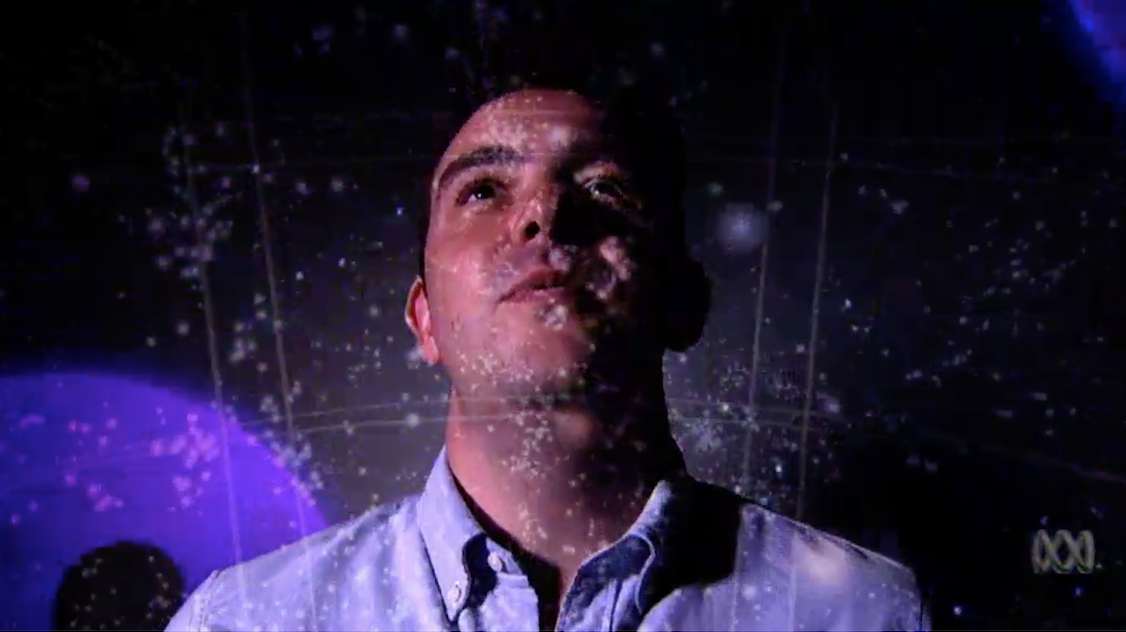
The Black Hole Hunters produced by ABC Catalyst alongside fellow OzGrav members, David Blair and Carl Blair, with host, Tamara Davis.
February, 2019: Bilby: A user-friendly Bayesian inference library for gravitational-wave astronomy (Ashton, et al.) published in the
Astrophys. J. Supp.
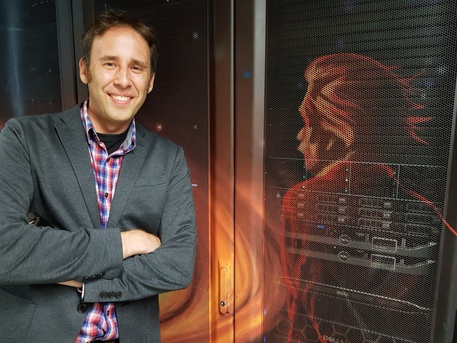
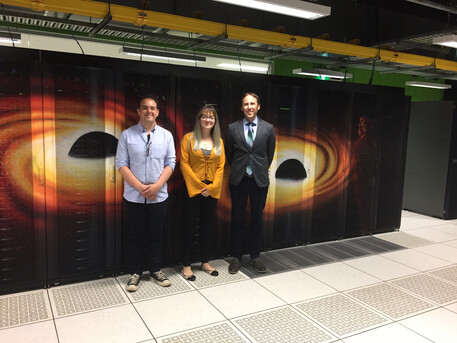
December, 2018: Filming for an upcoming program on black holes next to the OzStar computer.
(Credit: Amy Sherden)
November, 2018: The minimum and maximum gravitational-wave background from supermassive binary black holes (Zhu, Cui, and Thrane) published in
MNRAS.
November, 2018: Measuring eccentricity in binary black hole inspirals with gravitational waves (Lower, Thrane, Lasky, and Smith) published in
Phys. Rev. D.
September, 2018: Gravitational-wave memory: waveforms and phenomenology (Talbot, Thrane, Lasky, and Lin) published in
Phys. Rev. D.
August, 2018: An all-sky radiometer for narrowband gravitational waves using folded data (Goncharov and Thrane) published in
Phys. Rev. D.
July, 2018: Inferring the population properties of binary neutron stars with gravitational-wave measurements of spin (Zhu, Thrane, Osłowski, Levin, and Lasky) published in
Phys. Rev. D.
June, 2018: The cosmic gravitational wave symphony | Sylvia Biscoveanu.
May, 2018: A Search for Tensor, Vector, and Scalar Polarizations in the Stochastic Gravitational-Wave Background published in
Phys. Rev. Lett.
April, 2018: The optimal search for an astrophysical gravitational-wave background (Smith and Thrane) published in
Phys. Rev. X.
See also:
Viewpoint: Listening for the Cosmic Hum of Black Holes.
April, 2018: Australian scientists pioneer new way to hear black holes colliding across the universe with Sylvia Biscoveanu and Rory Smith (credit: ABC).
 Here's what two black holes smashing into each other sounds like
 (credit: The Age)
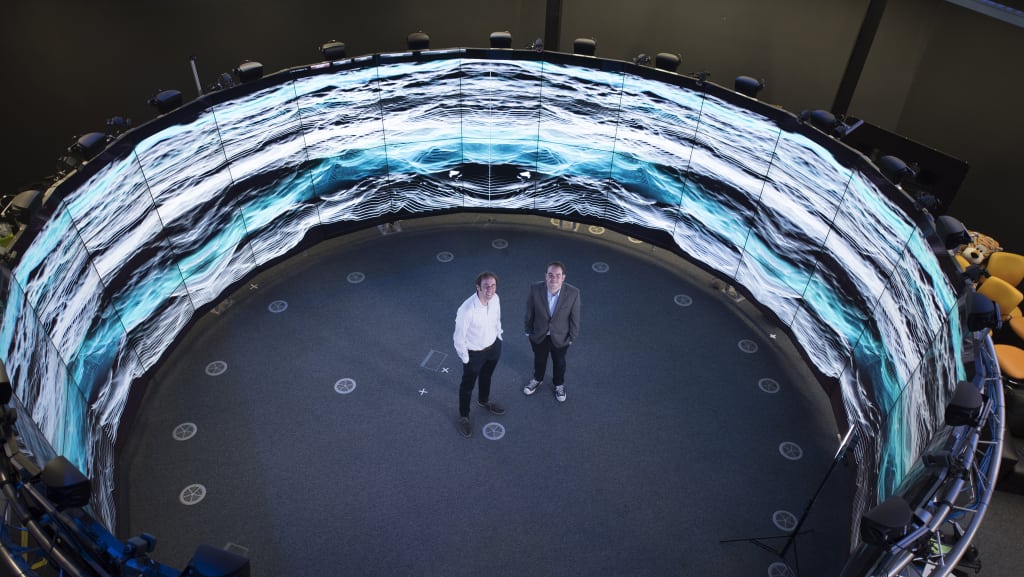 April, 2018: Measuring the binary black hole mass spectrum with an astrophysically motivated parameterization
 (Talbot and Thrane) published in
Astrophys. J..
April, 2018: Filming for an upcoming media release at the new OzStar supercomputer with Rory Smith and Sylvia Biscoveanu (credit: Yeshe Fenner).
 March, 2018: Gravitational waves attract US talent
 with Sylvia Biscoveanu.
December, 2017: Tests of General Relativity with the Stochastic Gravitational-Wave Background (Callister et al.) published in
Phys. Rev X.
October, 2017: Challenges testing the no-hair theorem with gravitational waves (Thrane, Lasky, & Levin) published in
Phys. Rev. D.
October, 2017: GW170817: Observation of Gravitational Waves from a Binary Neutron Star Inspiral,
A gravitational-wave standard siren measurement of the Hubble constant,
Gravitational Waves and Gamma-Rays from a Binary Neutron Star Merger: GW170817 and GRB 170817A,
GW170817: Implications for the Stochastic Gravitational-Wave Background from Compact Binary Coalescences,
Search for post-merger gravitational waves from the remnant of the binary neutron star merger GW170817.
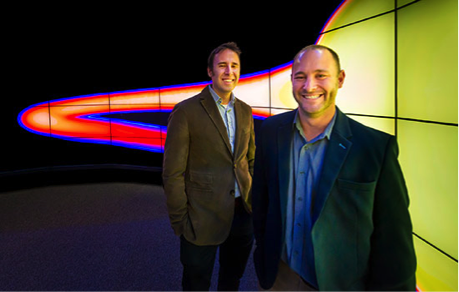 October, 2017: Nobel Prize in Physics: Australians helped in gravitational waves research
 +
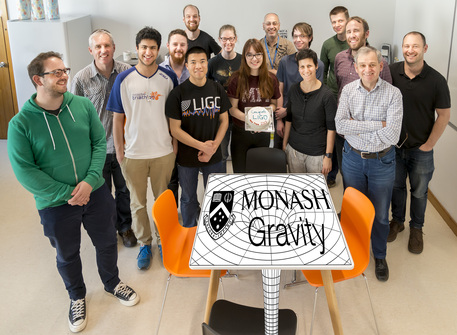
An award with real gravity: how gravitational waves attracted a Nobel Prize with Yuri Levin and Paul Lasky. The Monash gravity team celebrates the 2017 Nobel Prize for decisive contributions to the LIGO detector and the observation of gravitational waves...with cake (credit: Steve Morton).
 July, 2017: Determining the population properties of spinning black holes
 (Talbot & Thrane) published in
Phys. Rev. D.
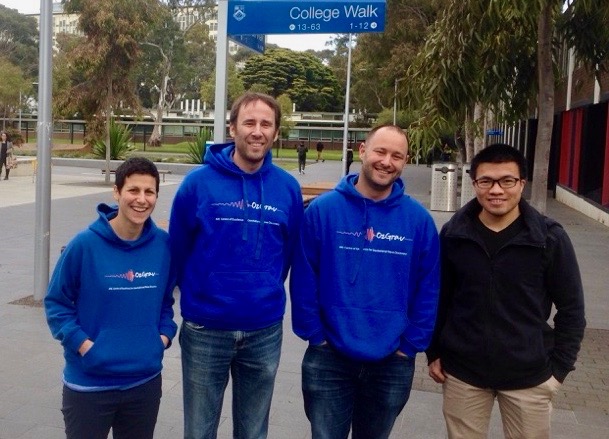
July, 2017: Team OzGrav in official hoodies (credit: Agustin Schiffrin).
 June, 2017:
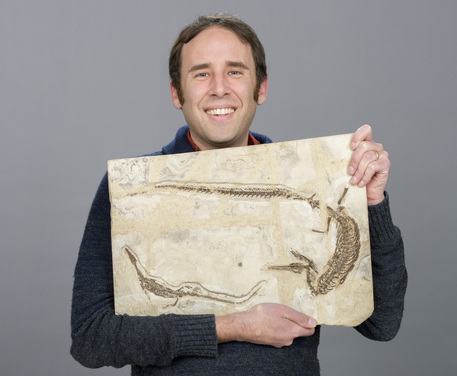
 Posing with a Permian
mesosaurus (credit: Steve Morton).
 May, 2017:
 Gravitational waves detected from
GW1710104:
press release,
"A new discovery of gravitational waves has black holes in a spin".
May, 2017: Gravitational Waves from Orphan Memory (McNeill, Thrane, Lasky) published in
Phys. Rev. Lett. See also this popular science articles in
New Scientist,
Science Alert,
Eureka Alert, and
Gizmodo.
April, 2017: Suspending test masses in terrestrial millihertz gravitational-wave detectors: a case study with a magnetic assisted torsion pendulum (Thrane, Anderson, Levin, Turner) published in
Class. Quant. Grav.
April, 2017: Validating gravitational-wave detections: The Advanced LIGO hardware injection system (Biwer et al.) published in
Phys. Rev. D.
March, 2017: Upper Limits on the Stochastic Gravitational-Wave Background from Advanced LIGO's First Observing Run (LIGO/Virgo) and
Directional limits on persistent gravitational waves from Advanced LIGO's first observing run (LIGO/Virgo) published for publication in PRL:
isotropcic,
directional.
November, 2016: Gravitational waves featured on "
Beyond the Lab" (featuring yours truly and Janna Levin among others).
October, 2016: Postdoctoral Research Fellow in Astrophysics: new OzGrav positions open at Monash.
October, 2016: "Subtraction of correlated noise in global networks of gravitational-wave interferometers" (with Coughlin et al.) published in
CQG.
September 2016: I am delighted to be part of
The ARC Centre of Excellence for Gravitational Wave Discovery (OzGrav)!
Established at the Swinburne University of Technology, OzGrav will explore the extreme physics of black holes and warped spacetime, inspiring the next generation of Australian scientists and engineers.
Researchers at this Centre, led by Professor Matthew Bailes, will build on decades of Australian investment in gravitational wave and pulsar science, coalescing research activities into a focused national programme.
August 2016: Detecting gravitational-wave memory with LIGO: implications of GW150914 (P D Lasky, E Thrane, Y Levin, J Blackman, and Y Chen) published as an Editors' Suggestion in
Phys. Rev. Lett.
August, 2016: "
The limits of astrophysics with gravitational wave backgrounds" (with Callister et al.) published in
Phys. Rev X.
June, 2016: Chris Whittle featured in
The Australian (pay wall).
June, 2016: "
Astronomers excited by 2nd gravitational wave discovery" on ABC News Breakfast.
June, 2016: LIGO observes another binary black hole: "
GW151226: Observation of Gravitational Waves from a 22-Solar-Mass Binary Black Hole Coalescence."
Read Paul Lasky's take on the discovery in
The Conversation.
May, 2016: nomination photo for a Faculty of Science teaching award with Theo Hughes, Michael Morgan, and Jasmina Lazendic-Galloway.
 May, 2016:
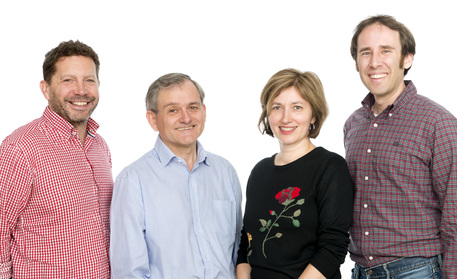
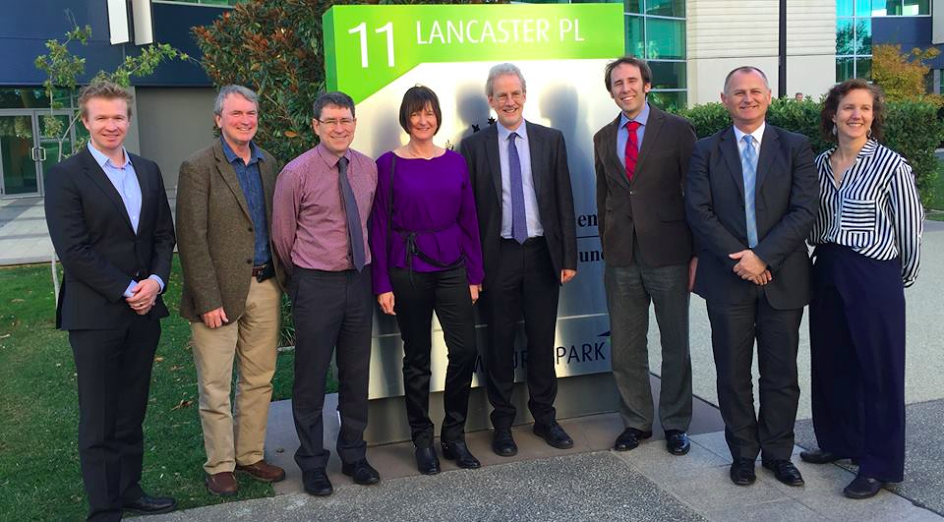
 ARC interview for OzGrav: Centre of Excellence for Gravitational Wave Discovery (with Daniel Shaddock, David McClelland, Matthew Bailes, Susan Scott, Peter Veitch, Aleksander Subic, and Tania Bezzobs.
 May, 2016:
 I am proud to share the
Special Breakthrough Prize in Fundamental Physics with my LIGO-Virgo colleagues!
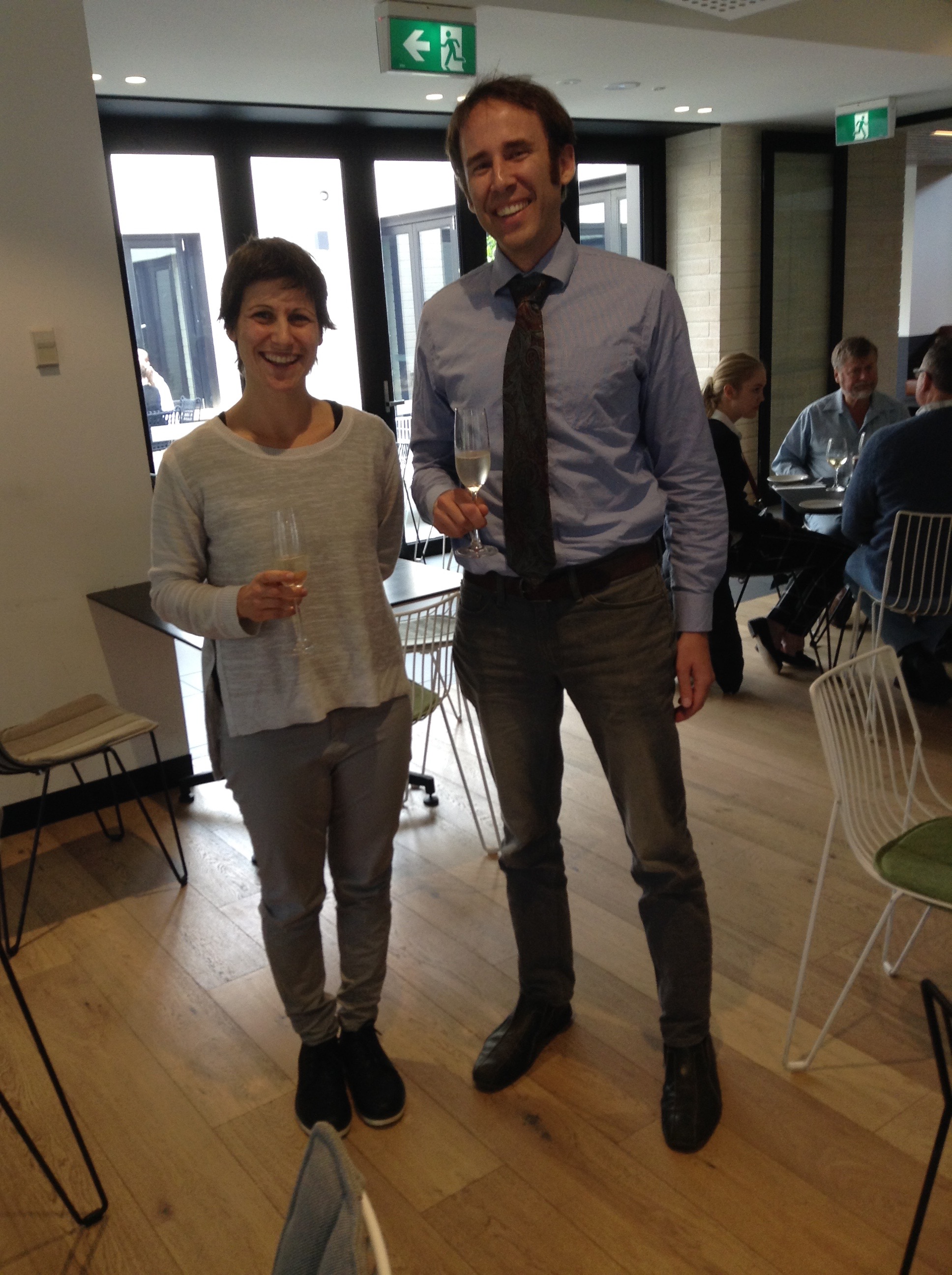
April, 2016: Congratulations,
Dr Letizia Sammut!
 February, 2016: "Gravitational wave discovered"
 (a public talk with Yuri Levin).
February, 2016: "Observation of Gravitational Waves from a Binary Black Hole Merger." LIGO detects gravitational waves.
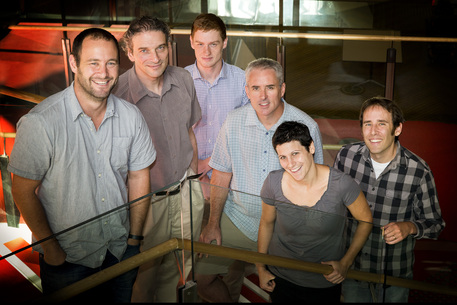
The Monash LIGO team is featured in the
Sydney Morning Herald.
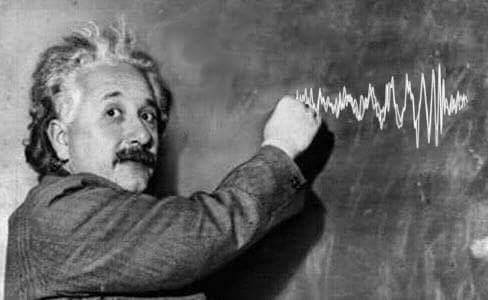
("Einstein GW150914" by Brynley Pearlston.)
See also: "
GW150914: Implications for the stochastic gravitational wave background from binary black holes" published in
Phys. Rev. Lett.
For some lighter media coverage of GW150914, here's my
cameo on The Project.
December, 2015: I have been awarded a
2015 Future Fellowship from the Australian Research Council for "Gravitational-wave astronomy: detection and beyond."
December, 2015: "Detectability of gravitational waves from high-redshift binaries" (Rosado et al.) published in
Phys. Rev. Lett.
November, 2015: "
Gravitational-wave cosmology across 29 decades in frequency" (with Lasky et al.) published in
Phys. Rev. X.
November, 2015: A busy month for physics media! I appeared with Paul Lasky on
The Science Show with Robyn Williams. Later in the month, I appeared on
Catalyst to speak about gravitational waves.
October, 2015: "Detecting gravitational-wave transients at five sigma: a hierarchical approach" (Thrane and Coughlin) published in
Phys. Rev. Lett.
October, 2015: Takaaki Kajita wins the Nobel Prize in Physics.
October, 2015: Gravitational waves on Science Cafe: my appearance on the Young Scientists of Australia podcast.
September, 2015: Mock data and science challenge for detecting an astrophysical stochastic gravitational-wave background with Advanced LIGO and Advanced Virgo published in
Phys. Rev. D.
July, 2015: Open Day at Monash (credit: Steve Morton)!
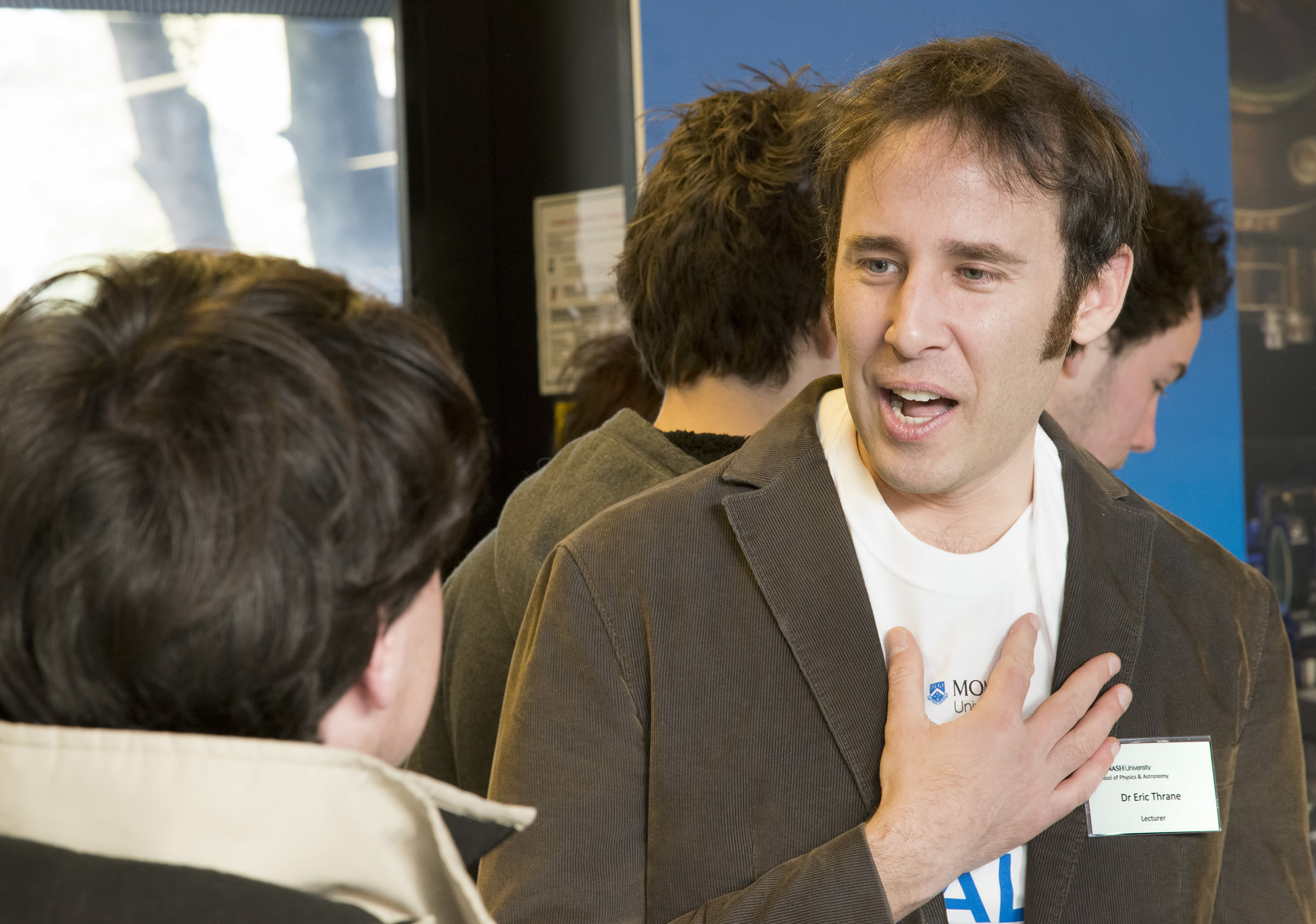 June, 2015:
 LIGO S6 data is publicly available
here.
June, 2015: "Gravitational wave explorer seeks light of merging dead stars" appears in
Monash Memo.
June, 2015: All-sky, narrowband, gravitational-wave radiometry with folded data (Thrane, Mitra, Christensen, Mandic, and Ain) published in
Phys. Rev. D.
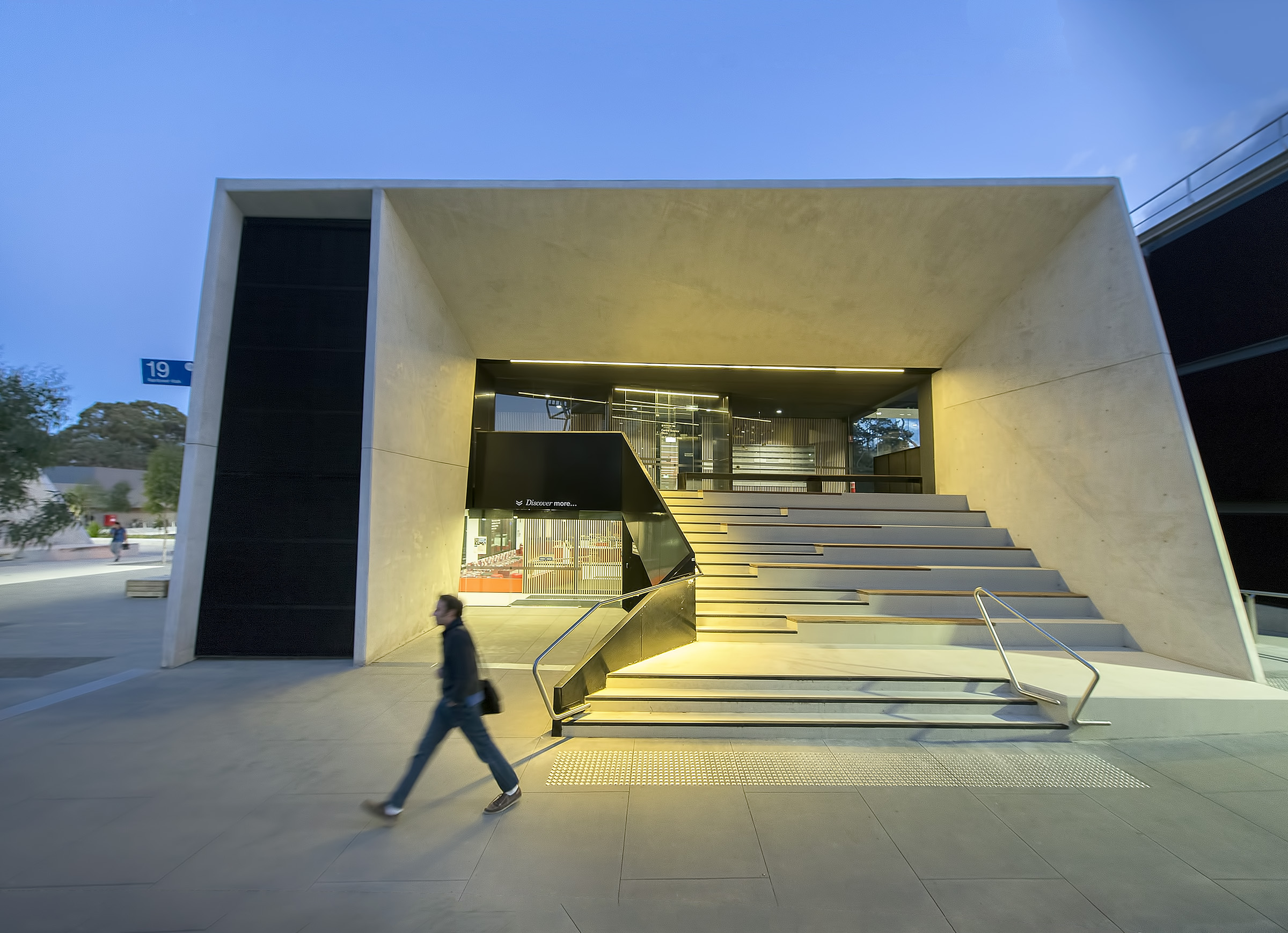
May, 2015: Cool picture taken as I was leaving the Physics & Astronomy building (credit: Steve Morton):
 May, 2015: Detecting very long-lived gravitational-wave transients lasting hours to weeks
 (Thrane, Mandic, and Christensen) published in
Phys. Rev. D.
March, 2015: The detectability of eccentric compact binary coalescences with advanced gravitational-wave detectors (M Coughlin, P Meyers, E Thrane, J Luo, and N Christensen) published in
Phys. Rev. D.
February, 2015: Searching for stochastic gravitational waves using data from the two co-located LIGO Hanford detectors (LIGO & Virgo) is to be featured as part of the Phys. Rev. D
Kaleidoscope.
January, 2015: I have joined the
School of Physics and Astronomy at
Monash University outside of Melbourne, Australia.