this page created to described the
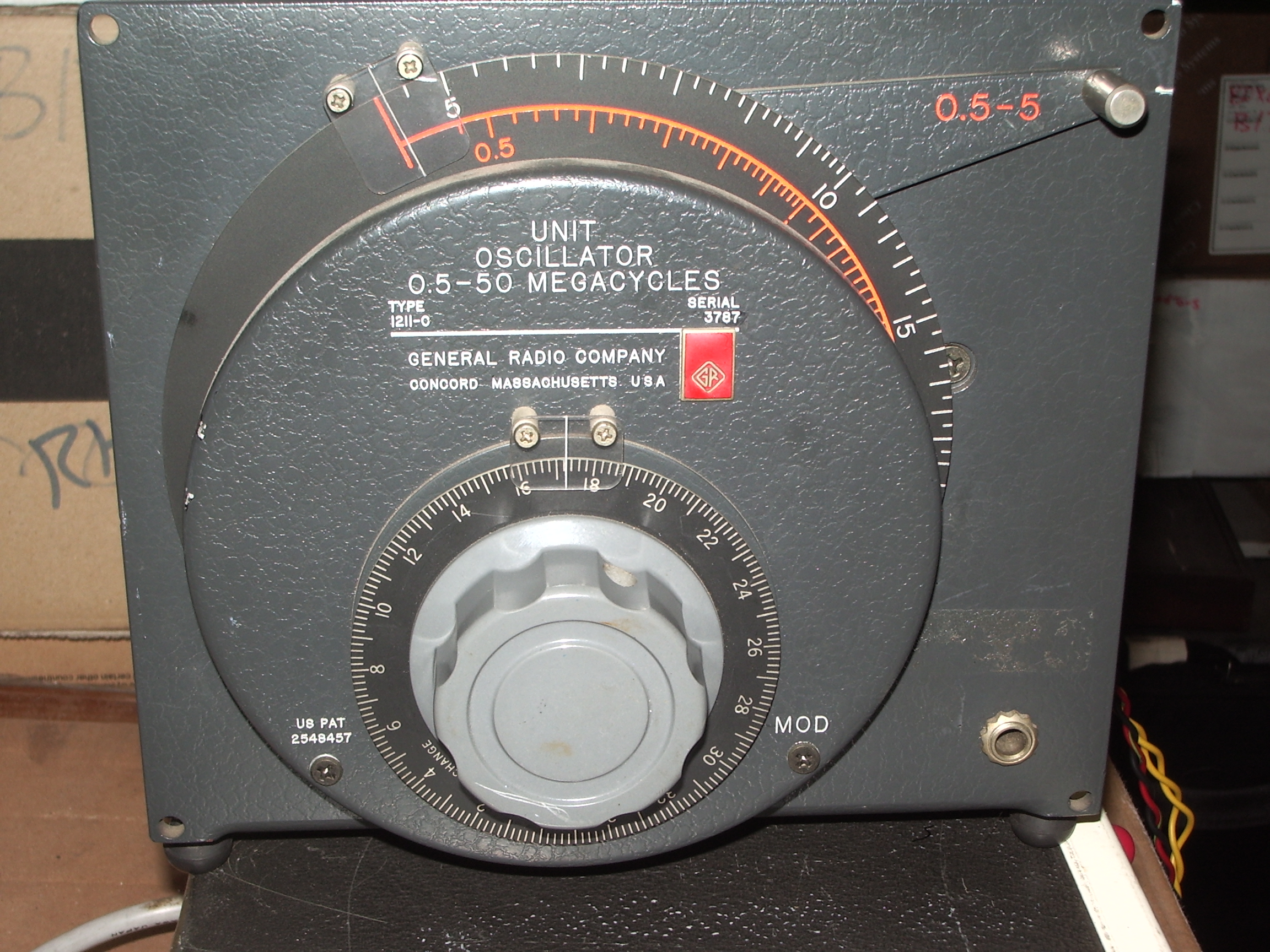
General Radio Unit Oscillator Type 1211  
(the piggy)


ralph klimek  1st-june-2009
keywords  General Radio Unit Oscillator type 1120.  images, description, servicing, comments and notes and circuit


thumb.imgp4403-genrad.jpg


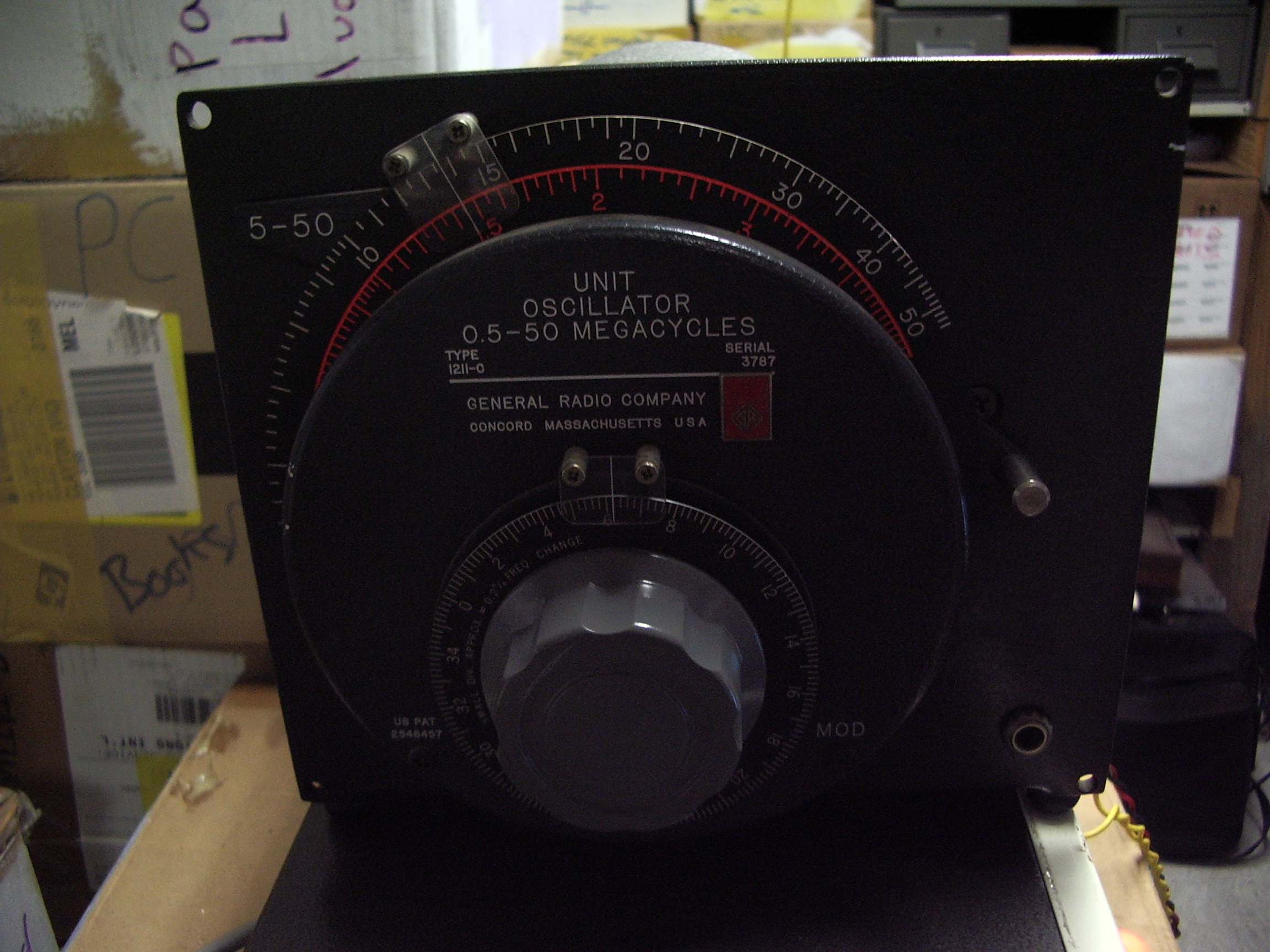
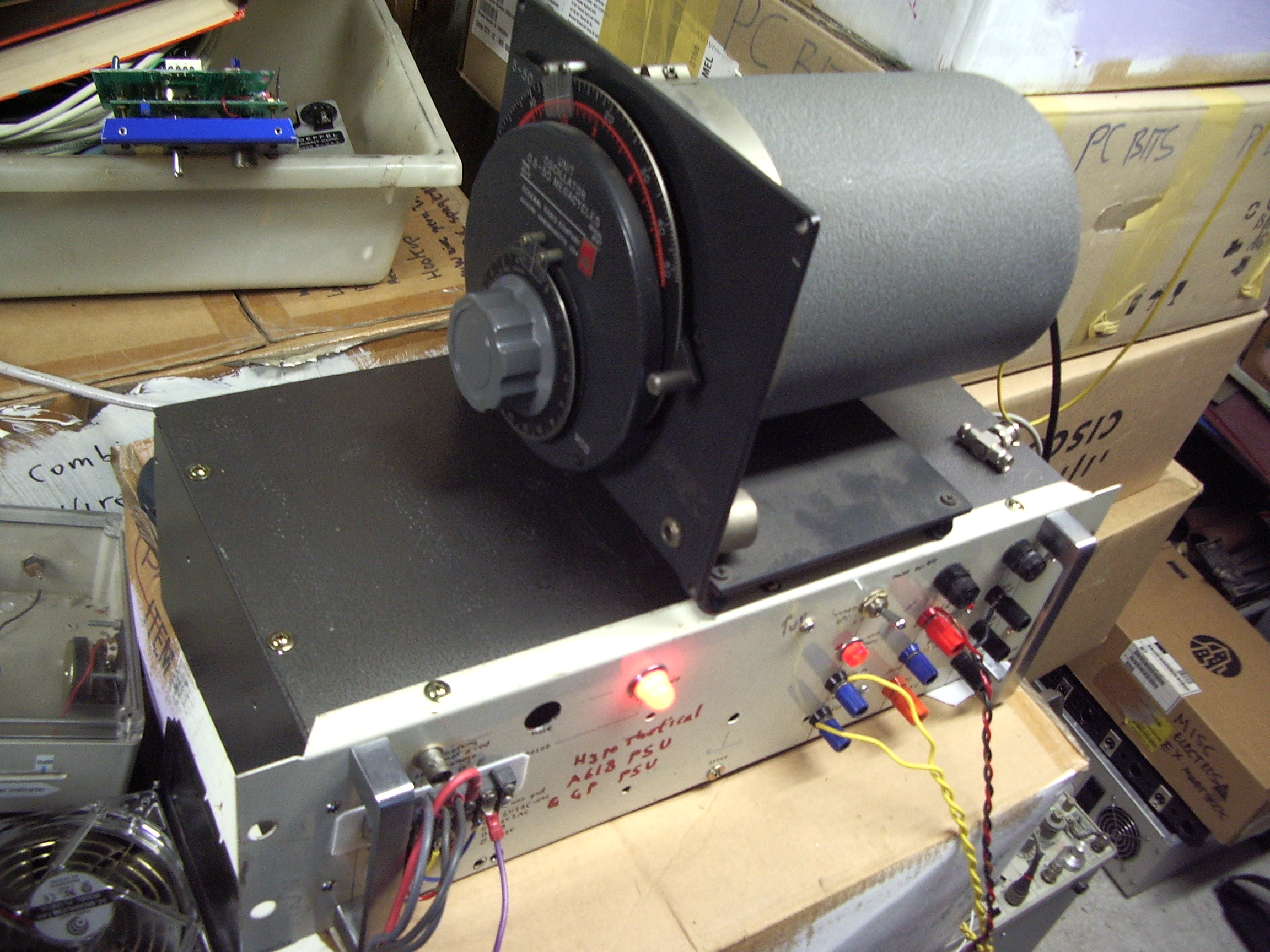
There were bits and pieces of others but this one was intact despite Melbournes inclement weather and exposure to public abuse from my fellow dumpster diversI found this interesting piece of General Radio equipment in a dumpster outside of the Engineering Faculty here at work..  I first become aware of this oscillators and their curious and unconventional construction.  A boring piece of nineteen inch rack mount rubbish it wasnt and its strange shape and pig like appearance got it named "the piggy".  It is very simple electronically. There is only one pentode valve inside. It has too wavebands being 0.5-5 Mhz and 5-50Mhz.  Thats the other interesting part.  When I used to biuld VFOs for radios and transmitters it was extremely difficult to biuld a good VFO  that had a two to one  tuning range. The piggy has a tuning range of ten to one using a fairly standard Hartley oscillator,  and in a two band design as well.

I first become aware of this strange unit when I was young and someone had given me an early General Radio catalogue.
The prices were such that only major labs could have afforded anything like this.  General Radio were something like an early precursor to Hewlett Packard or Tektronix  in the radio broadcast and commuications field, HP was good but Genrad  was the rolls-royce  of radio gear.  I recall first seeing the piggy in the catalogue as was amused and puzzled by its unique shape...it wasnt a box !  In a way its a pain because you cannot stack more junk on top of it!

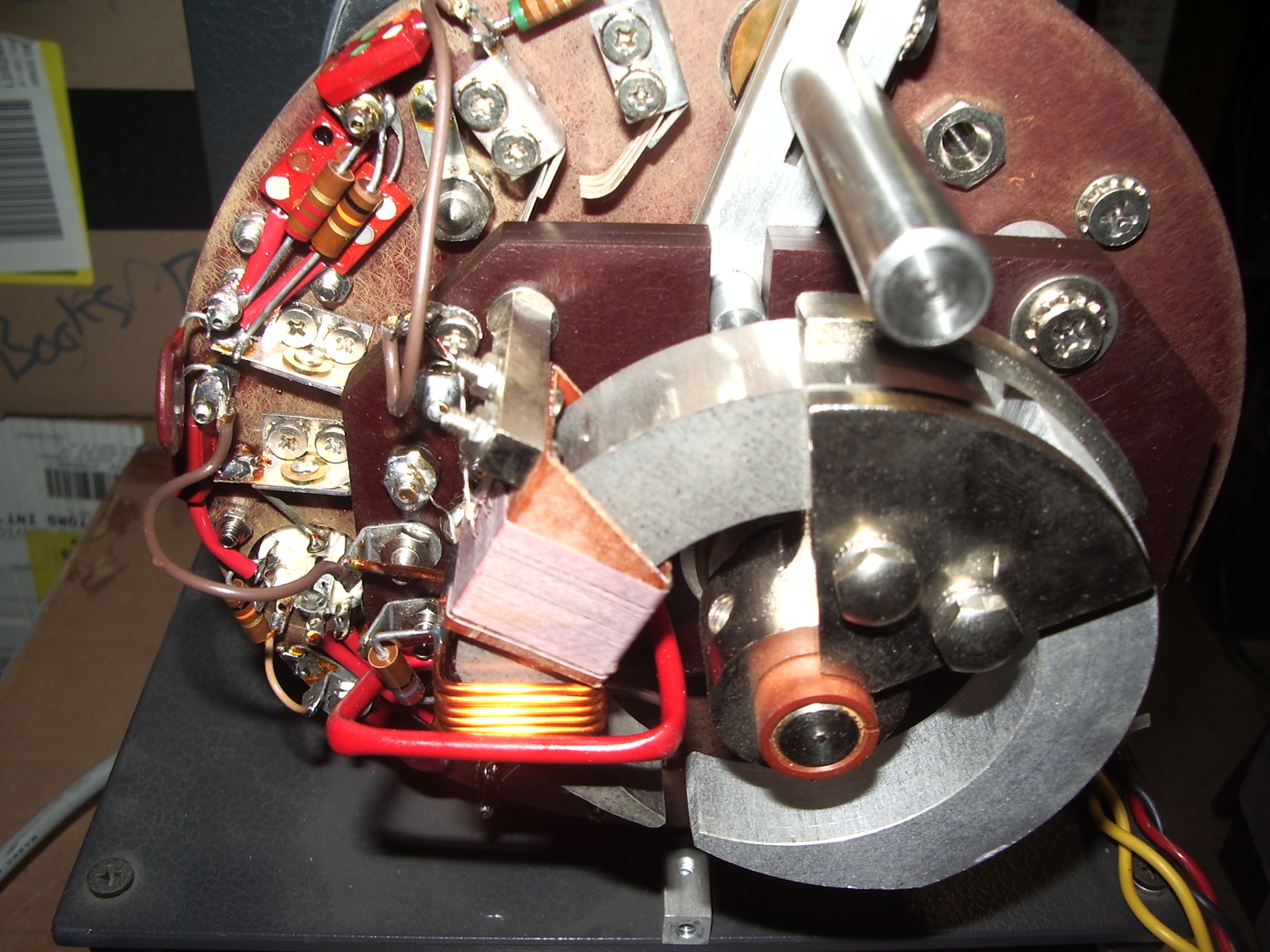
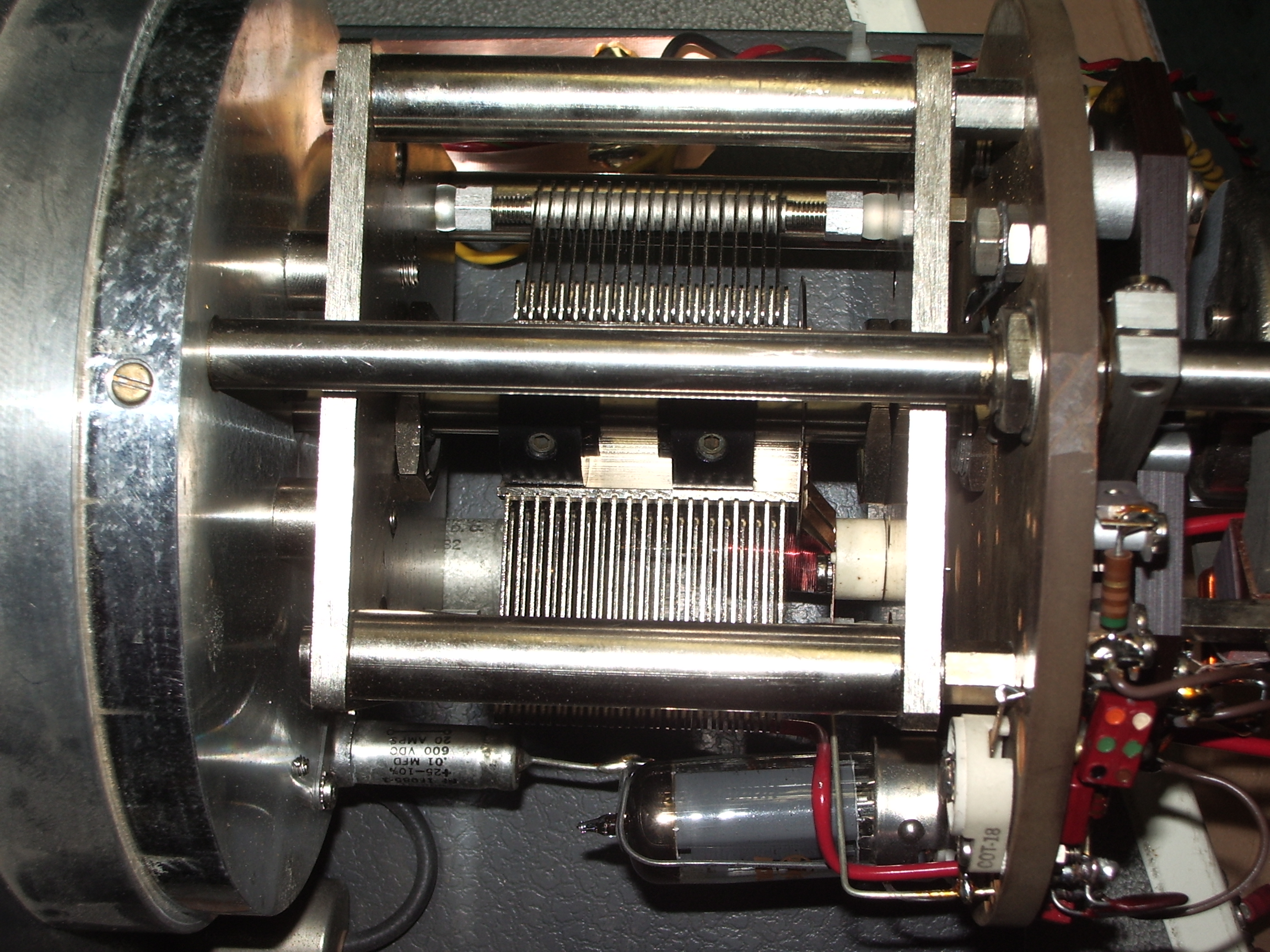
When I opened the unit  up  I was surprised at how simple the circuit was.  The insides, however,  are very complex mechanically.  The method of construction reminds me of early nineteen twenties construction...ebonite, brass terminals, hard drawn copper wire and lots of shiny metal.  The unit is a metal workers delight.  The internal construction is worthy of the best millitary grade construction, as you can see from the images.

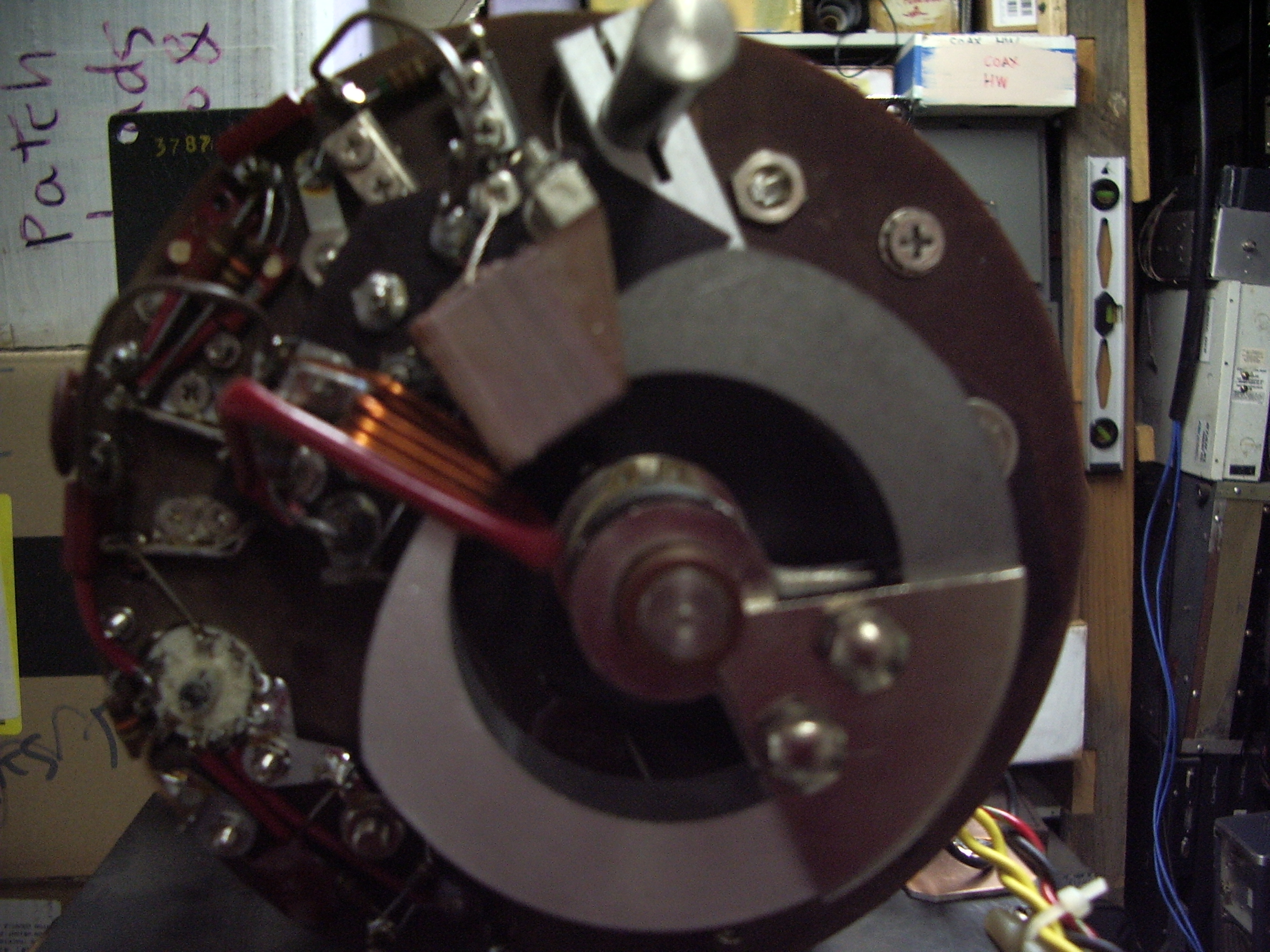
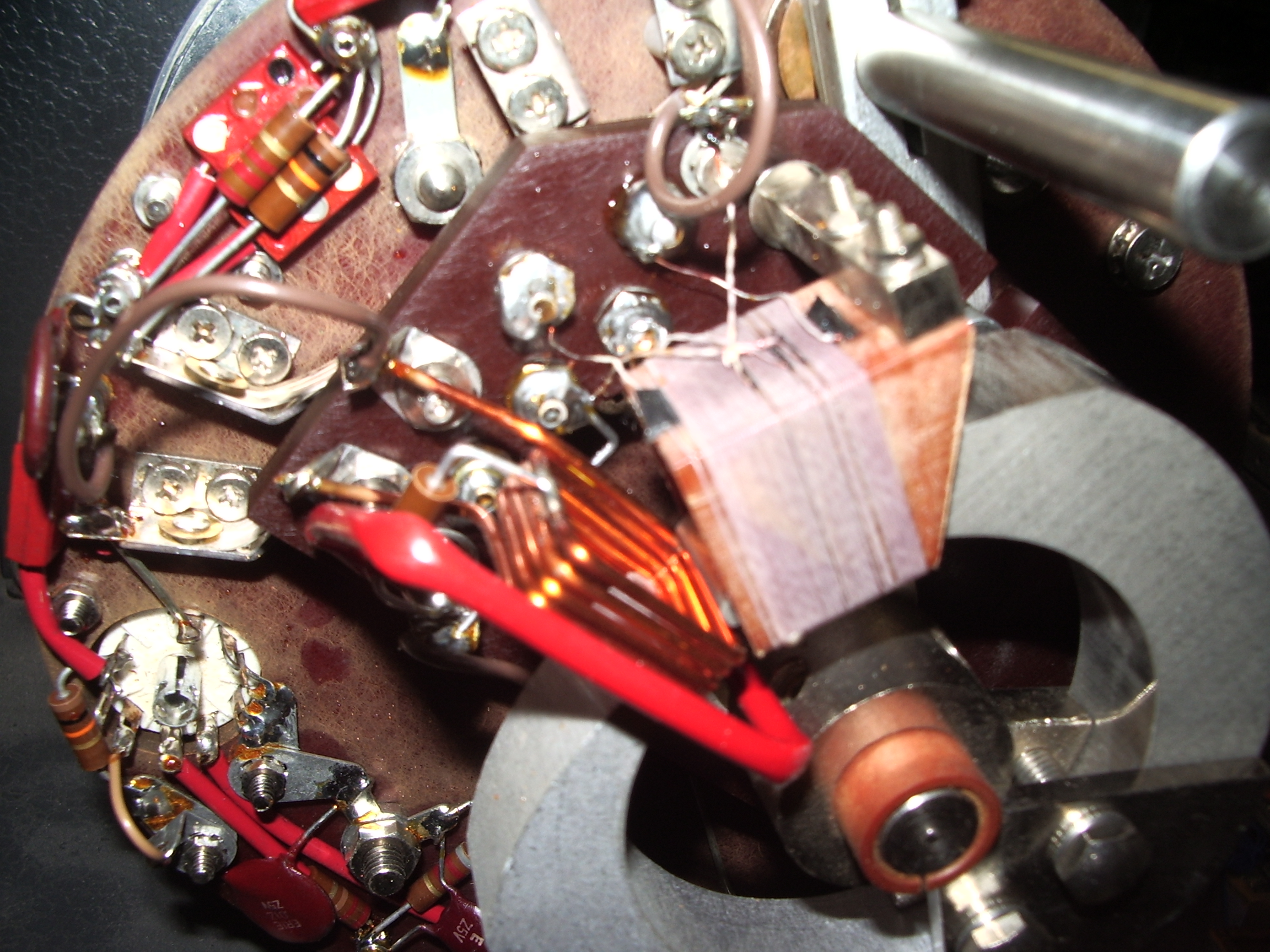
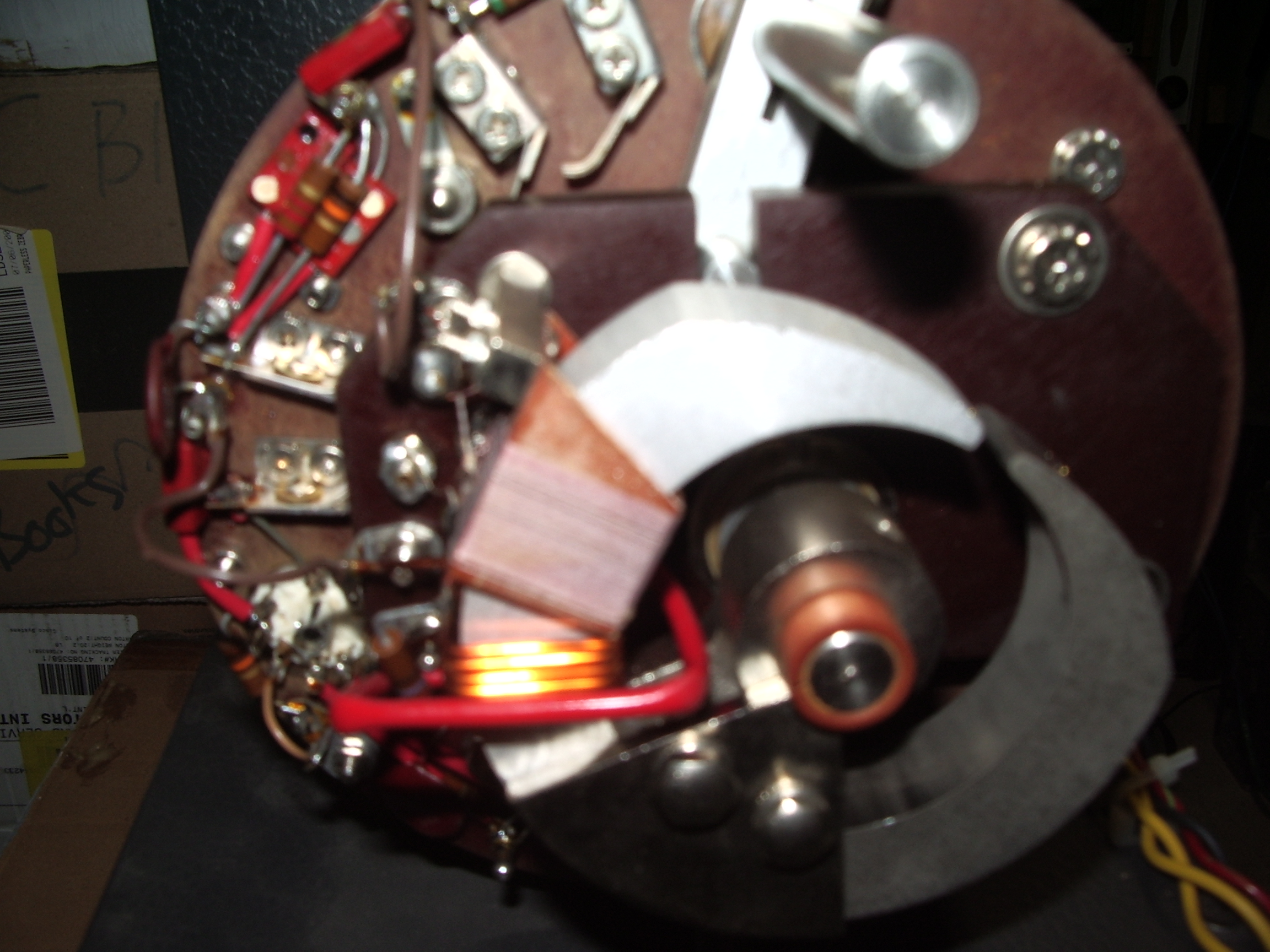
The next wholly remarkable thing about the design is the wide bandwidth or tuning range.  This is achieved by varying the inductance of the oscillator coil with moveable slugs that are mechanically linked to the tuning capacitor. There are two crescent shaped slugs, one made of ferrite to increase inductance and the other is made from aluminum  that reduces the inductance. The tuning shaft moves both the capacitor plate and the coil slugs at the same time.


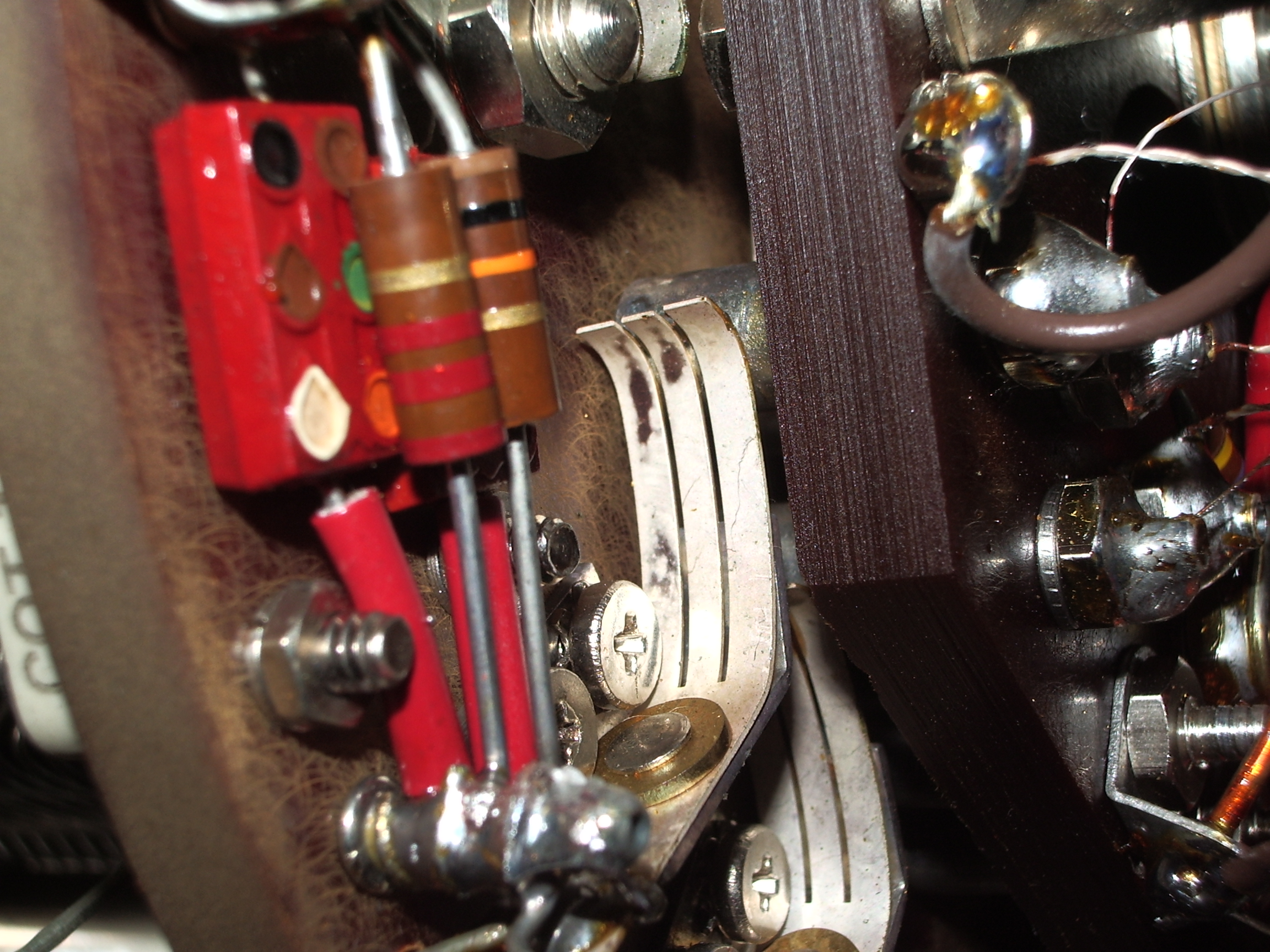
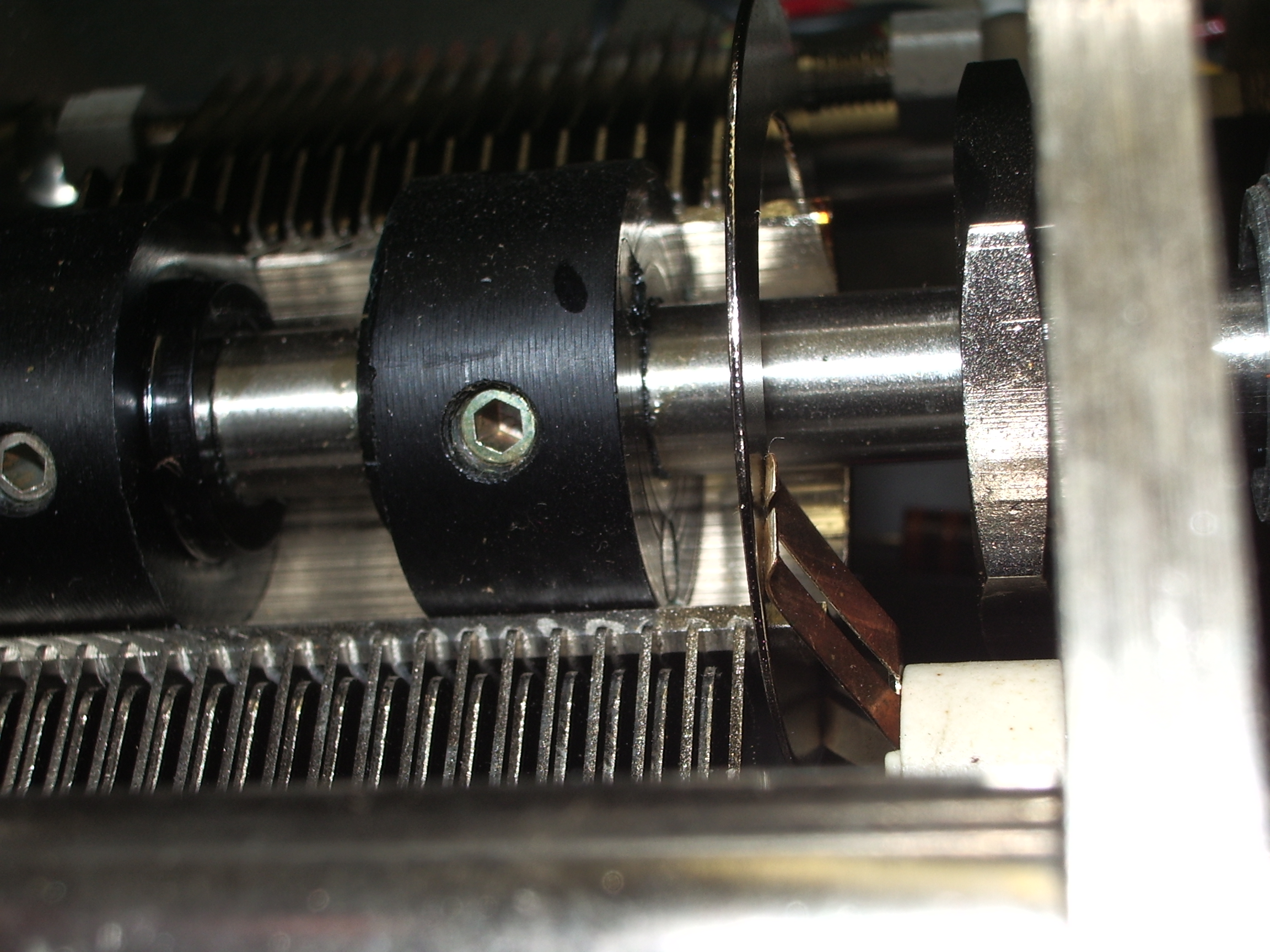
My piggy required a minimum amount of work to render it functional again. The rotor plates on the variable capacitor are connected to the rest of the oscillator by a slip ring on which rubs two silver fingers.  Grease from the rotor bearing had over the last fifty years worked its way onto the slipring .  When this hard gunge was removed with acetone and a cotton bud the unit sprung into life.  The bearings are properly mounted sealed ball bearings, both rotor and stator capacitor plates are fully electrically isolated.

The stability of the oscillator is not spectacular, it is not useable as a transmit VFO.  As the oscillator circuit does not have any buffering, the output freqency is shifted by the load, but there is up to 5 volts p-p of good low harmonic waveform from 0.5 to 50 Mhz  that makes it a very satisfactory test oscillator.  I think the inclusion of an extra valve class A cathode follower buffer would have made this unit a more stable signal generator, but this is GenRad, and if thats what you wanted they had one, with mind boggling specs and a similarly large price.

My only modification was to put a BNC connector in parralel with the GENRAD "universal" coax connector  that is now utterly unobtainable. Purists may object, but an item in my ham shack must also earn its keep.

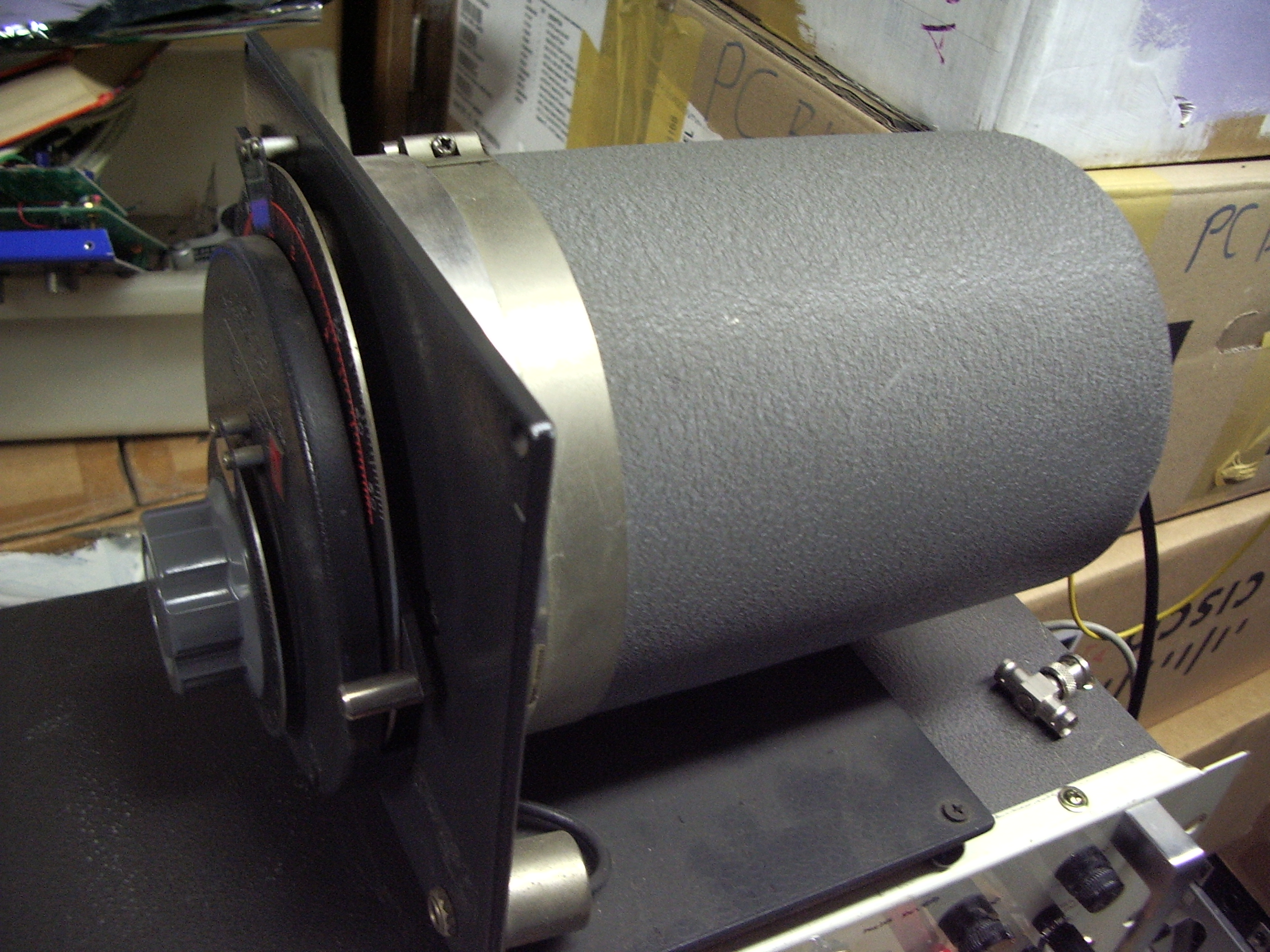
To remove the cover cylinder, just undo the steel strap and one centering srcew underneath.  The attenuator is connected with a fixed banana plug and just pulls away from the unit.

The oscillator requires 6.3VAC filament supply and nominally 320 volts DC, but mine works fine with only 250VDC

The official manual is available for free download from the BAMA server.

I have a feeling that these were designed primarily for the under-graduate electrical engineering education market where simplicity of operation and wide tuning were required. Radio test labs could buy a real signal generator for serious work.

thumb.imgp4382-genrad.jpgthumb.imgp4383-genrad.jpgthumb.imgp4384-genrad.jpg
the genrad piggythe genrad piggypiggy and power supply
thumb.imgp4385-genrad.jpgthumb.imgp4387-genrad.jpgthumb.imgp4388-genrad.jpg
rear end output port and attenuatorresonator blockresonator block at mid range
thumb.imgp4389-genrad.jpgthumb.imgp4390-genrad.jpgthumb.imgp4391-genrad.jpg
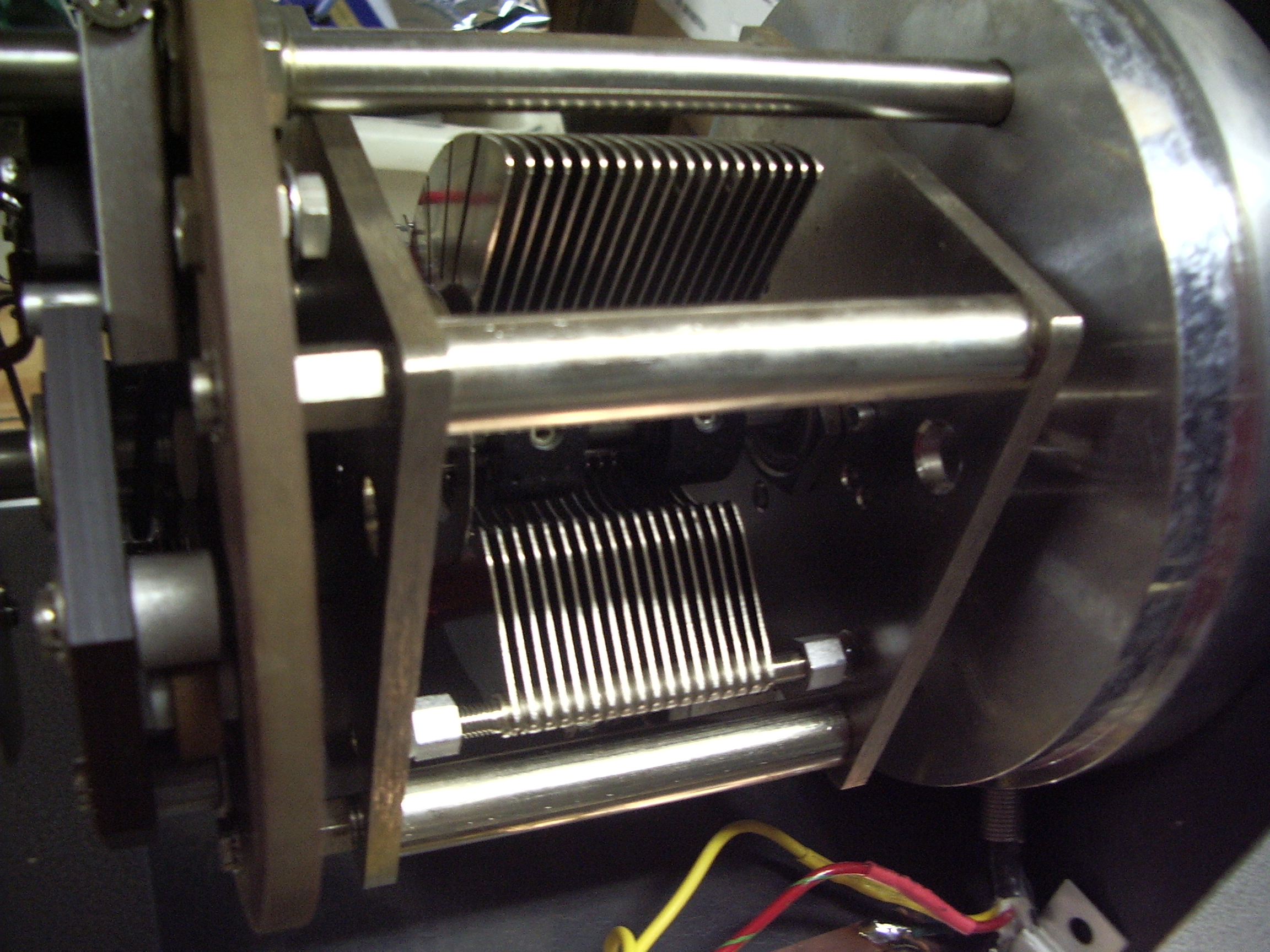
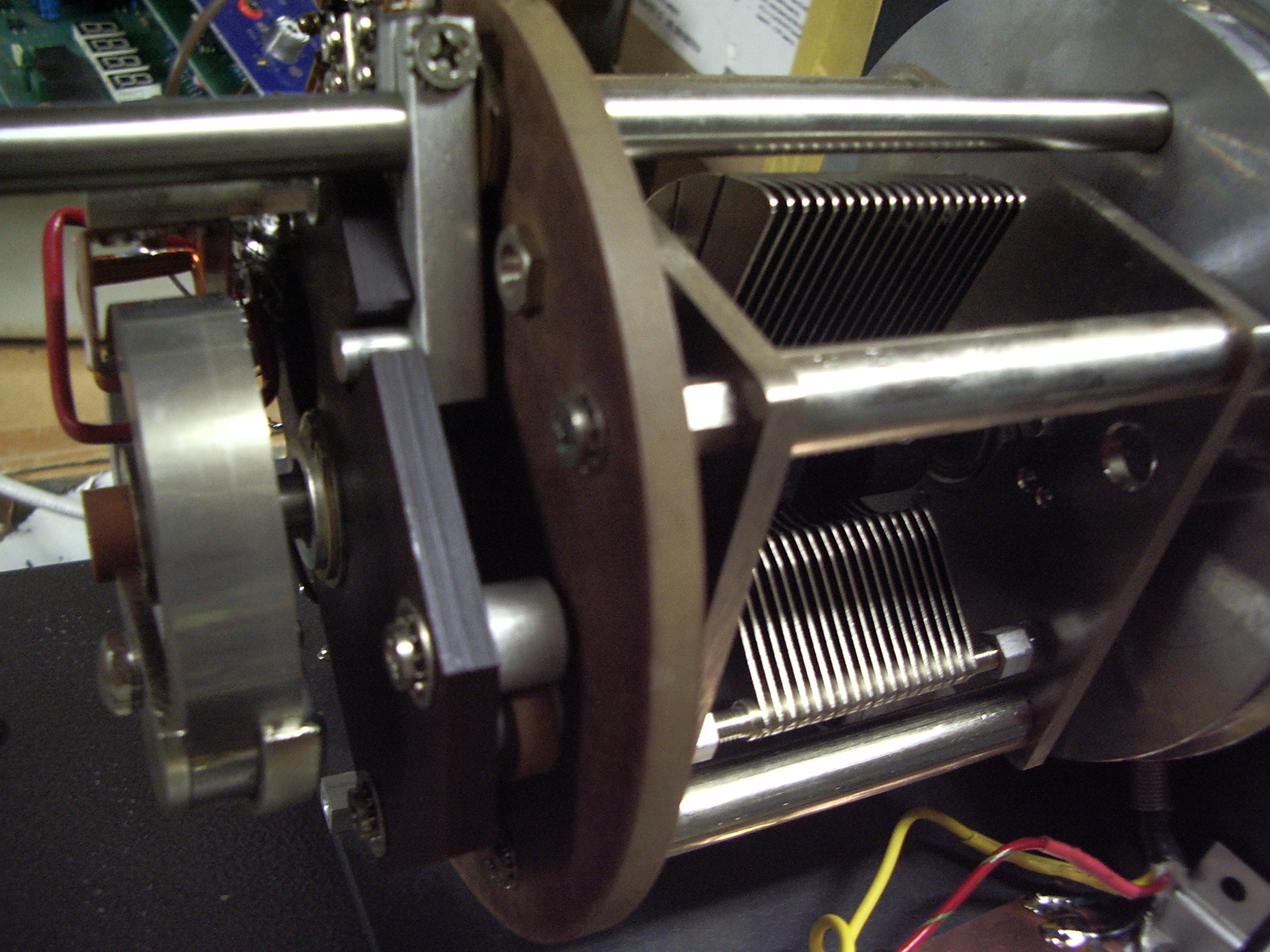
variable capacitorvariable capacitorresonator block
thumb.imgp4392-genrad.jpgthumb.imgp4393-genrad.jpgthumb.imgp4394-genrad.jpg
resonator blockresonator block at maximum frequencyresonator block minimum frequency
thumb.imgp4395-genrad.jpgthumb.imgp4396-genrad.jpgthumb.imgp4397-genrad.jpg
silver spring fingers on solid contactsvariable capacitor rotor slip ringvariable capacitor slip ring finger
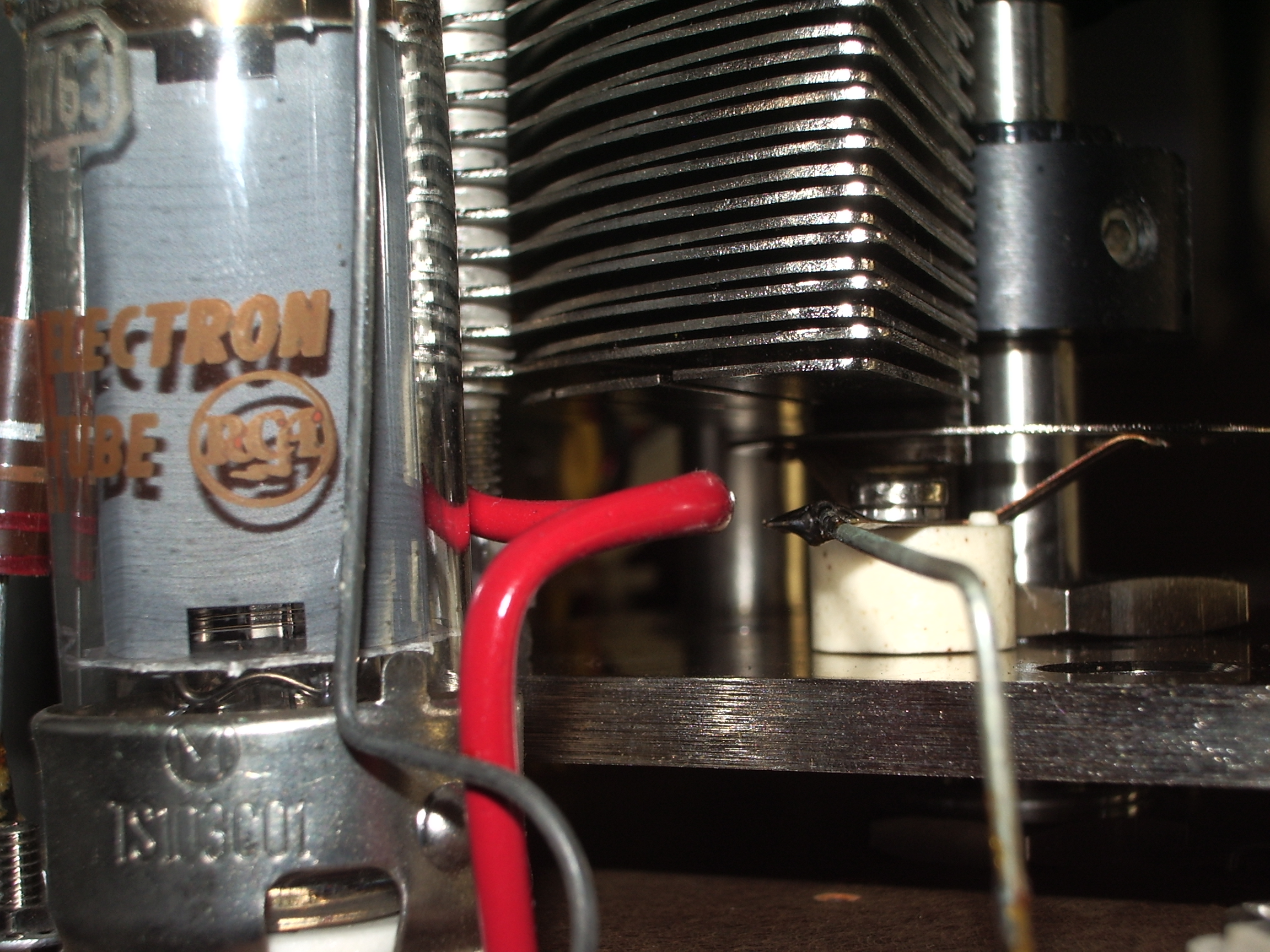
valve type pentode 5763
thumb.imgp4399-genrad.jpgthumb.imgp4400-genrad.jpgthumb.imgp4401-genrad.jpg
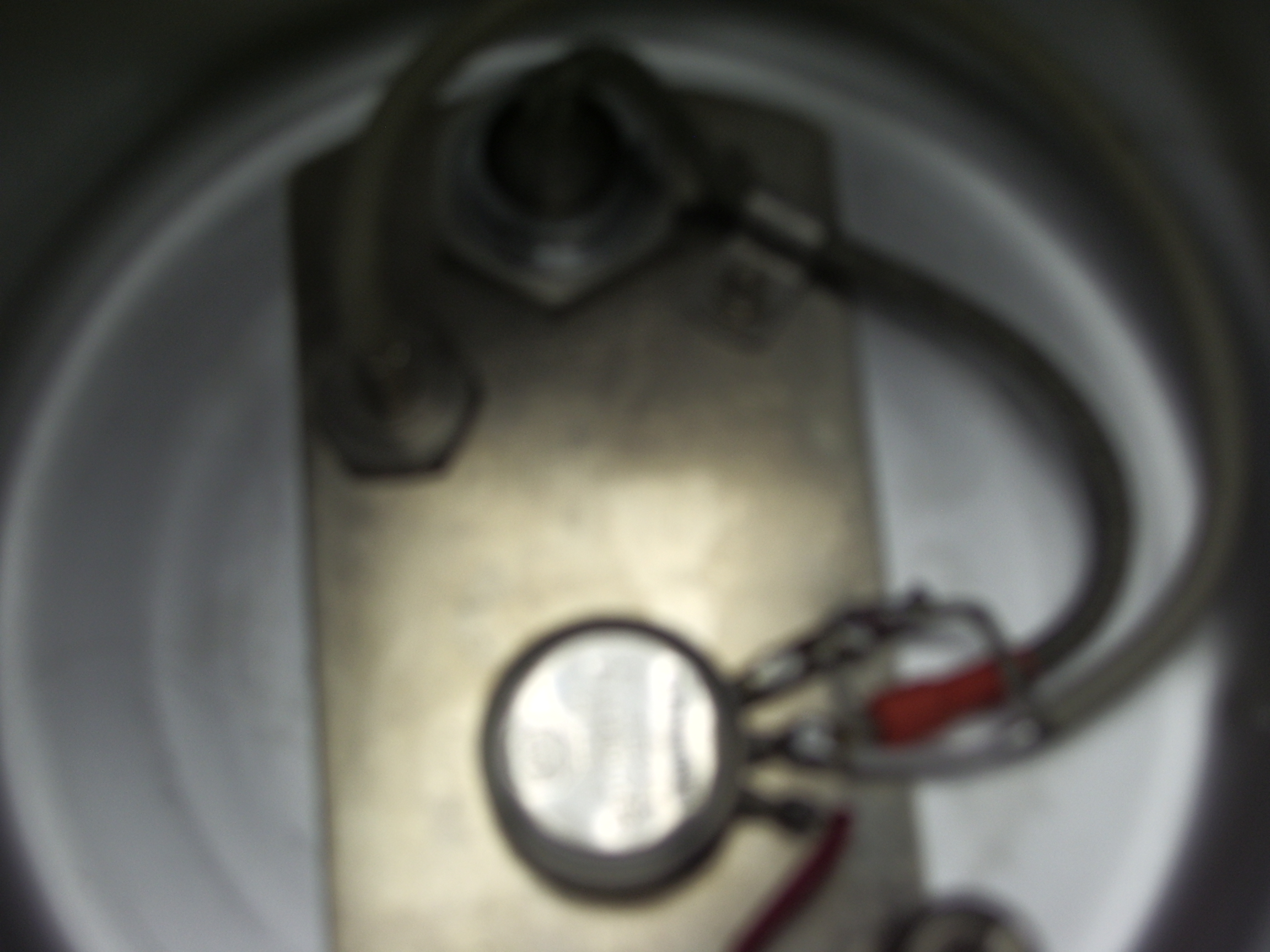
output assemblyoutput assembly banana plug connectorgenrad universal connector, BNC is mine
thumb.imgp4402-genrad.jpgcircuit
insert image

thumb.imgp4403-genrad.jpg
downwards viewThe complete manual (follow link)the piggy


the images and my content are copyleft. You may use them as you see fit, with the exception of commercial trademarks


homepage


mod record  page created on Mon Jun  1 18:23:52 EST 2009